
Last updated November 21, 2026
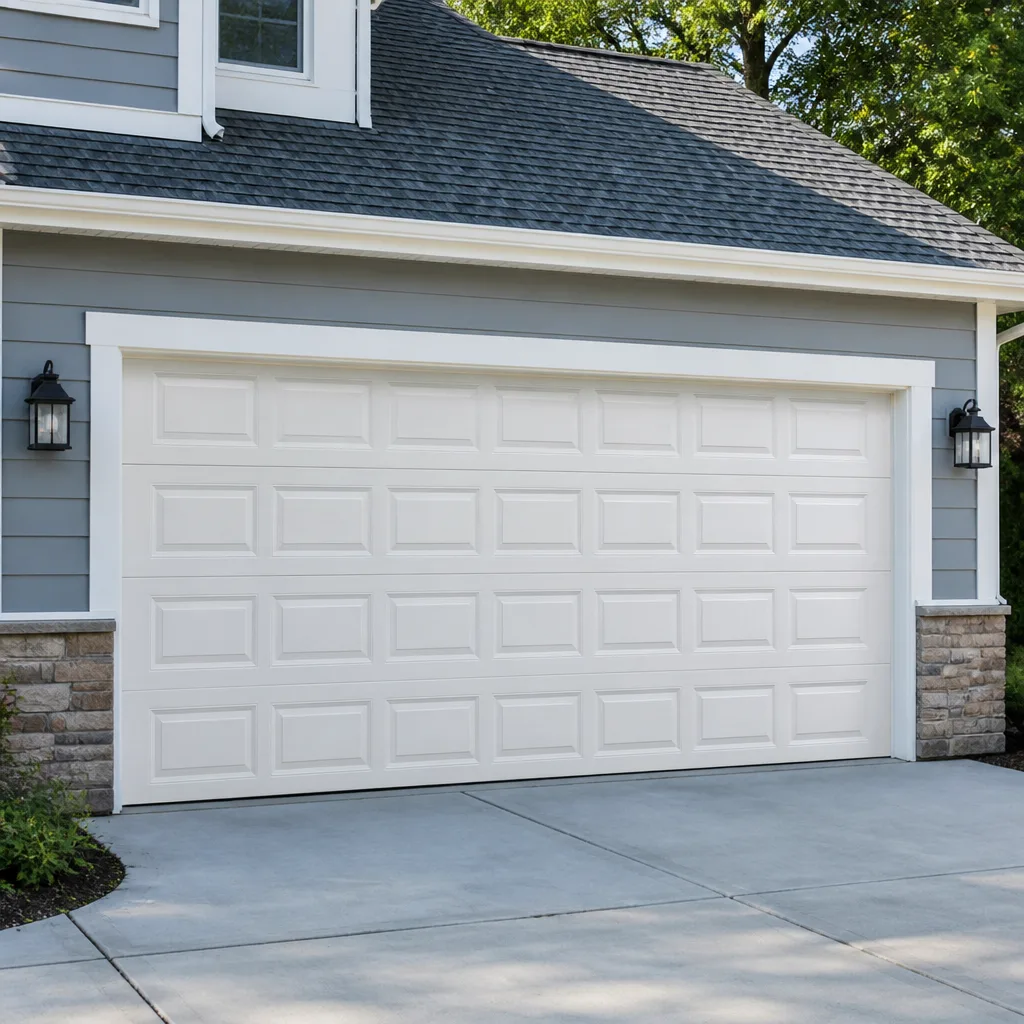 Raised-panel steel
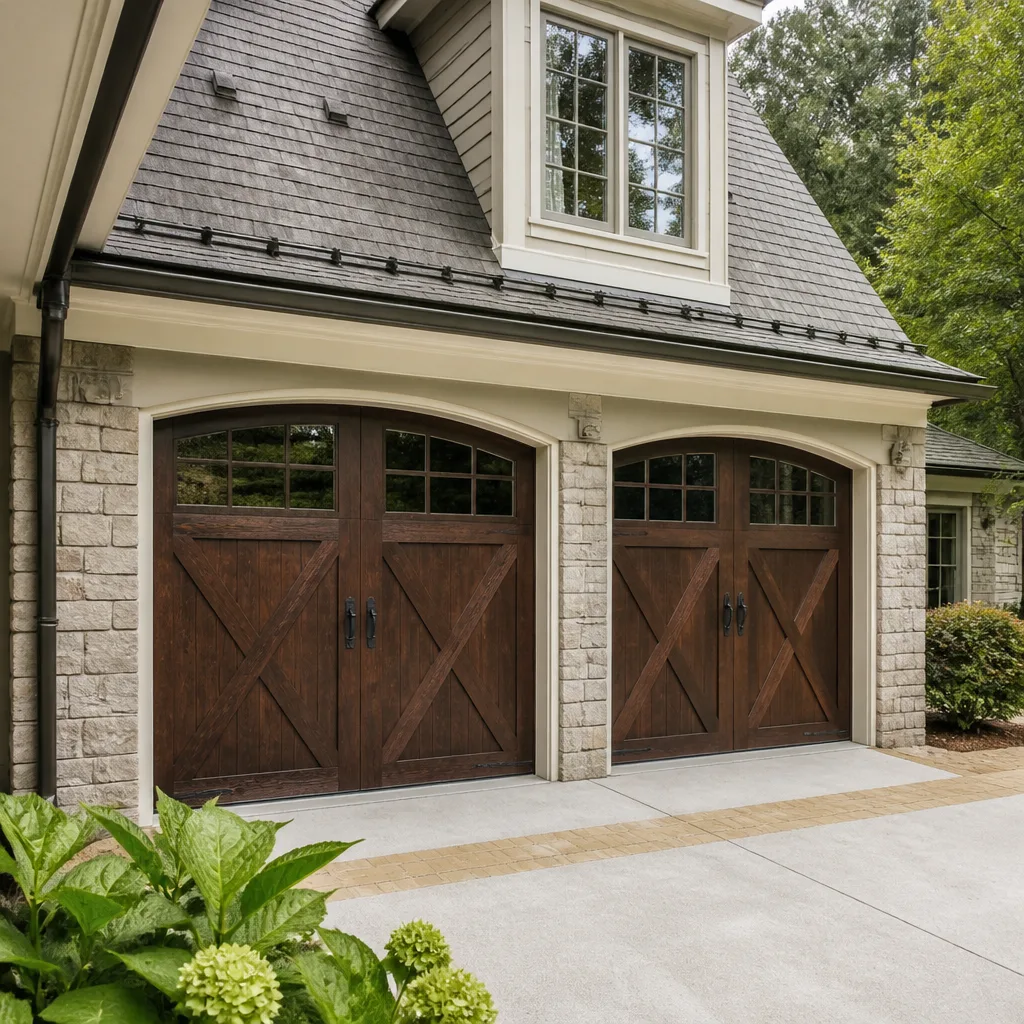 Carriage house
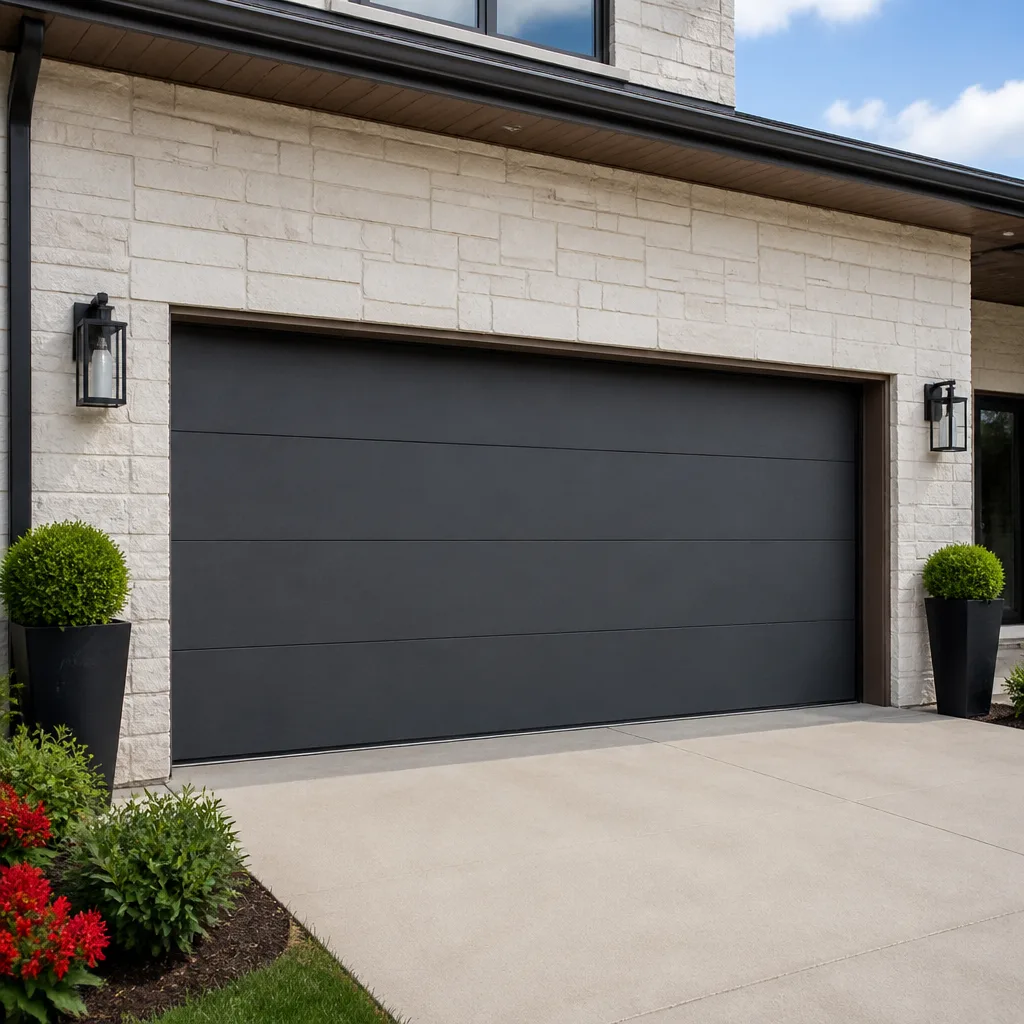 Modern flush
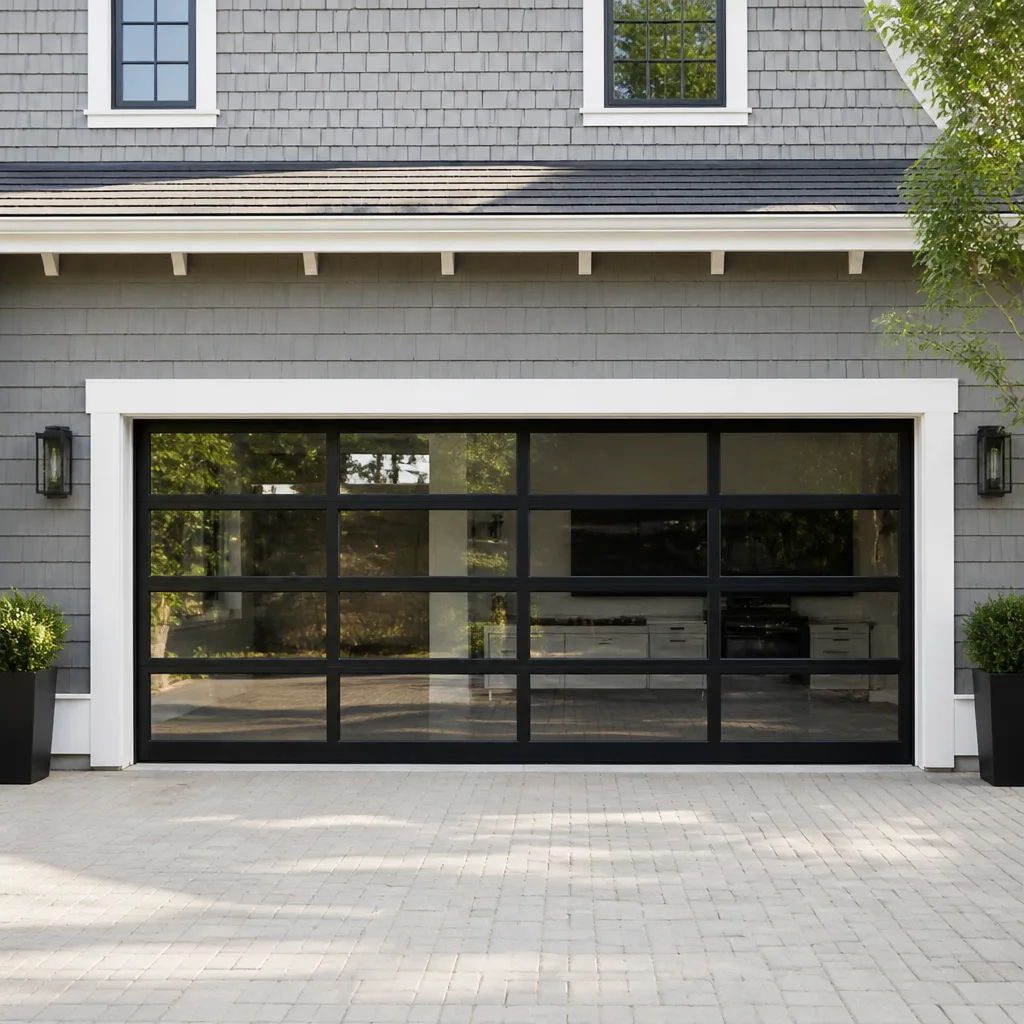 Full-view glass
 LiftMaster openers
 Chamberlain openers
Full 25-point door and opener safety check with every visit - springs, cables, rollers, tracks, and your LiftMaster or Chamberlain opener included
You get a price before we start. It does not change when the pro arrives.
Get your free estimateGarage Door Permits, Codes & Inspections in Upper East Side, NY: What You Need to Know
Most people assume a garage door is a product you buy and bolt on, no different from a refrigerator. Then the city classifies the work as an alteration, a filing appears on the job, and a project that should have taken one day stalls for weeks. Here’s the piece almost nobody explains upfront: in New York City, the permit question rests on what you’re changing, not on whether you bought a new door. A straight replacement of the same door in the same opening usually moves forward without a Department of Buildings filing. Cut into the header, widen the opening, touch a fire-rated assembly, or work inside a designated historic district, and the paperwork changes everything. This guide walks through when permits apply, how Landmarks Preservation Commission review works on Upper East Side blocks, what a co-op board expects beyond the city, and how unpermitted work surfaces at resale.
Quick Answer
A permit is generally required when garage door work involves a structural change, a header modification, an enlarged opening, or an alteration to a fire-rated assembly between a garage and living space. A true like-for-like replacement of the same size door in the same opening typically needs no DOB permit, but a co-op or condo alteration agreement or a landmarks review may still apply. Use the city’s Department of Buildings as the final word for your address, and get the scope in writing before anyone orders materials.
Styles & brands we work with
- Raised-panel steel
- Carriage house
- Modern flush
- Full-view glass
- LiftMaster openers
- Chamberlain openers
Table of Contents
- When does a garage door project need a permit in Upper East Side?
- Replacement in kind versus alteration: how the city draws the line
- Fire separation rules for attached garages
- Landmarks Preservation Commission review in designated historic districts
- Co-op and condo alteration agreements
- Inspections: what gets looked at and when
- Unpermitted work at resale and how to remediate it
- Choosing a garage door contractor who handles the paperwork correctly
When does a garage door project need a permit in Upper East Side?
A permit is required whenever the work changes the structure of the opening, the loading it carries, or the fire separation of the building. Swapping a door of the same size into the same track and header is a maintenance replacement. Anything that touches the framing is a different animal.
In our experience on Upper East Side jobs, the confusion starts because the product itself is new, and homeowners assume new equals permit. It doesn’t. The city cares about construction, not merchandising. Here’s where the line usually falls:
- No permit typical: Same-size door, same opening, same tracks, same springs and hardware. Replacing an opener or repairing a spring isn’t construction at all.
- Permit likely: Widening the opening, raising the header, replacing a structural lintel, changing from a single door to a double, or adding a new opening to a wall.
- Permit likely: Any change to a fire-rated assembly separating the garage from living space, including upgrading a door to a rated model.
- Permit and landmarks review: Work visible from the street on a property inside a designated historic district.
Co-ops and townhouses along the Upper East Side carry an extra layer because many garage openings sit under buildings with residential space above. Structural work there isn’t just a door question; it’s a building envelope question. The Department of Buildings is the authority on your specific address, and one call to the borough office settles a lot of speculation. Ask your contractor to describe the scope in plain terms before anything is ordered, and if the answer is vague, get a second opinion.
Replacement in kind versus alteration: how the city draws the line
Replacement in kind means the new door matches the old in size, position, and function, with no change to the opening or its framing. An alteration means the work changes the building. The distinction sounds academic until a job hits an inspection or a sale.
Here’s how we sort a project before it starts:
- Measure the opening. Width, height, and headroom above the door. If those numbers match what’s being installed, you’re in replacement territory.
- Look at the header. A wood or steel header above the opening carries the wall load. Replacing it, notching it, or cutting into it triggers a structural review.
- Check the wall type. A garage sharing a wall with living space usually has a fire-rated assembly. Changing the door on that wall is a code question, not just a product question.
- Walk the exterior. If the door is visible from a public street in a historic district, the Landmarks Preservation Commission may need to review the change before work starts.
- Ask the building. For co-ops and condos, the alteration agreement spells out what the building wants filed and by whom.
We work on the brands people actually have in their garages, and that matters here because the paperwork follows the product. If you’re upgrading to a modern steel door from a legacy wooden one, the weight and springing change even when the opening doesn’t, so the installation plan reflects that. Models from Clopay and Amarr are common choices for Upper East Side townhouses because they offer clean panel profiles that fit older facades. A LiftMaster or Chamberlain opener is often part of the same package, wired into a smart-home setup that many owners already run. None of that decides the permit question, but it does affect how the work gets planned and documented.
Fire separation rules for attached garages
An attached garage in New York City is a fire separation problem before it’s a door problem. The wall and door between a garage and living space are meant to slow a fire long enough for people to get out. When you replace a door on that wall, the new door has to serve the same protective role as the old one.
The practical effect: a door rated for fire separation is not interchangeable with a standard insulated door, even if they look alike. The rating lives in the assembly, not just the panel. Replacing a rated door with an unrated one can undo the protection the building was designed around, and that’s exactly the kind of detail that surfaces during an inspection or a sale.
What this means on an Upper East Side project:
- Identify any wall separating the garage from living space and whether it carries a rating.
- Match the replacement door to the rating of the assembly it sits in, not just to the look of the old door.
- Keep the documentation for whatever door you install, including spec sheets and any labeling, because future buyers and their inspectors will want it.
- Treat a change in door type as a code question, not a design preference, and ask the Department of Buildings before you order.
Fire-rated door selection is a real constraint on design. It limits your choices of panel style, glazing, and insulation value. If you’re working with a co-op board that wants a specific look, the rated option may not match exactly. That’s a conversation to have before the door is ordered, not after it’s hung.
Landmarks Preservation Commission review in designated historic districts
If your building sits inside a designated historic district on the Upper East Side, exterior changes visible from the street need Landmarks Preservation Commission review before the work begins. This is the step that catches most people off guard. A door that looks better than the one it replaces can still be denied if it doesn’t fit the district’s character.
Several Upper East Side blocks fall inside designated historic districts, and the townhouse rows and prewar apartment buildings along those blocks are exactly where owners replace garage doors. The review looks at the door’s profile, panel configuration, material, color, and whether the change preserves the streetscape. A smooth modern door in a district full of paneled historic facades may draw a request for revisions. A closer match to the original style usually moves through faster.
Working through the process:
- Confirm your district status. The Landmarks Preservation Commission’s public records tell you whether your address sits inside a designated district.
- Document the existing door. Photos of the current door, the surrounding facade, and the street view form the basis of the application.
- Choose a product that fits. Look for a door that matches the panel style, glazing pattern, and color of similar buildings on the block.
- File before ordering. Never place a custom order until the review clears, because a rejected design means a wasted deposit.
- Keep the approval in your file. The paperwork is part of the property record and matters at resale.
We’ve seen the review process move smoothly when the proposed door reads as a match for the streetscape rather than a statement. If you’re picking between a couple of models, the one that echoes the surrounding facades is usually the safer filing.
Co-op and condo alteration agreements
Co-op and condo buildings on the Upper East Side layer their own rules on top of the city’s. An alteration agreement is the building’s contract with you for any work that touches shared structure, the building envelope, or a common area, and a garage door usually qualifies.
The agreement typically covers:
- Filing responsibility: which filings are the owner’s and which the building handles under its own permits.
- Contractor approval: whether the building requires proof of insurance from whoever does the work.
- Work hours and access: when trades can be on site and how materials move through the building.
- Restoration: who repairs damage to shared walls, floors, or facade elements after the work.
- Sign-off: the building’s own final inspection before the file is closed.
The trap here is assuming the city permit is the only paperwork. A board can hold a job until its own requirements are met, and an owner who filed with the Department of Buildings but not the board can find the door installed and the project not closed. Read the alteration agreement before you sign with a contractor, and match the contractor’s responsibilities to what the agreement puts on you. It’s also worth confirming who carries insurance while the work is happening, because the building will ask.
Inspections: what gets looked at and when
When a permit is issued, the work typically needs inspection before the job is closed. Inspectors look at the things that are invisible once the drywall goes back up: the framing, the header, the attachment of the tracks, and the fire separation.
What an inspection usually covers on a garage door project:
- Structural framing. The header and jambs are checked against the approved plan, including the material and fastening.
- Fire separation. The wall and door assembly are checked for the rating the plan specifies.
- Door installation. Tracks, springs, and hardware are checked for safe, secure attachment.
- Final sign-off. The permit is closed and the paperwork becomes part of the property record.
Skilled installation matters because inspection follows workmanship. A door that isn’t properly plumbed or secured can fail an inspection even when the paperwork is perfect. Spring tension, track alignment, and balance are the details that technicians live with every day, and they matter here. Spring work is also the most dangerous part of any garage door job, so it belongs with a trained technician. If a spring or cable fails unexpectedly, our garage door repair team handles it, and we answer 24/7. Fast dispatch from 7am to 7pm, Sunday through Friday.
Unpermitted work at resale and how to remediate it
Unpermitted garage door work surfaces during a title search or a buyer’s inspection. The city keeps a record of permits and sign-offs, so a job that was done without a permit shows as a gap. Buyers and their lenders notice, and the closing can stall until the issue is resolved.
What usually happens when unpermitted work is found:
- The buyer’s attorney flags it. A title search and a property record search turn up missing filings.
- The lender asks questions. Anything touching structure or fire separation can become a condition of the loan.
- The seller has to remediate. That can mean retroactive filing where the city allows it, a plan submission, or redoing the work to code.
- The closing timeline slips. Retroactive permits and inspections take time, and the schedule moves with them.
The remediation path depends on what was changed. If the door is a like-for-like replacement, there may be nothing to file, and the property record already reflects the previous door. If the opening was enlarged or the framing changed, the city will want to see a plan and an inspection before it closes the file. In some cases, the fix is returning the opening to its original configuration.
The simplest way to avoid the whole situation is to document everything at the time of the work. Keep the permit, the inspection sign-off, the product spec sheets, and the contractor’s contract in one file. You’ll want it when you sell, and so will the next owner.
Choosing a garage door contractor who handles the paperwork correctly
A garage door contractor who understands NYC filings saves you a lot of trouble. The good ones ask about the building, the wall type, and the landmarks status before they quote. The wrong ones treat every job as a swap and leave the permit question for you.
What to ask before signing:
- Where does this project fall on the permit line? A contractor should be able to explain in plain terms why your job does or doesn’t need a filing.
- Who files? For a co-op or condo, is the filing the owner’s responsibility or the building’s?
- Does the door need to be rated? If the garage shares a wall with living space, ask how the new door matches the rating.
- Is the property in a historic district? If yes, the contractor should be ready to document the existing door and coordinate with the landmarks review.
- What documentation comes with the job? Spec sheets, a written contract with the scope spelled out, and the permit paperwork where applicable.
Single-trade focus matters here. A garage door specialist builds their whole business around this work and knows the brands, the code questions, and the filings. Generalists see a door; specialists see the wall it’s set into. We work on the brand you already have, whether that’s a LiftMaster opener or a Raynor door, and we handle everything from spring work to a full garage door installation. Our technicians have up to 9 years of experience, and every job starts with a free estimate and a price quoted and agreed before any work starts.
Common Mistakes to Avoid
- Assuming a new door means a new permit. The permit follows the construction, not the product. A same-size replacement in an unchanged opening usually needs nothing more than a co-op sign-off, while a header change almost always triggers a filing.
- Ordering a custom door before landmarks review clears. A rejected design in a designated historic district means a wasted deposit and weeks of delay. File first, order second.
- Skipping the co-op alteration agreement. City paperwork and the board’s requirements are separate. A job can pass DOB inspection and still be stalled by the building.
- Replacing a rated door with an unrated one. Fire separation is a building safety requirement, and a look-alike door doesn’t automatically satisfy it. Match the rating to the wall.
- Throwing away the paperwork. Permit sign-offs, spec sheets, and contracts are property records. A buyer’s attorney will want them, and missing records create doubt.
- Trusting a verbal scope. A written scope of work protects you when the job grows, and it settles disputes before they start. Anything less is a gamble.
- Handling spring work as a DIY project. Torsion springs are under high tension and can cause serious injury. Leave them to a trained technician with the right tools.
See the difference
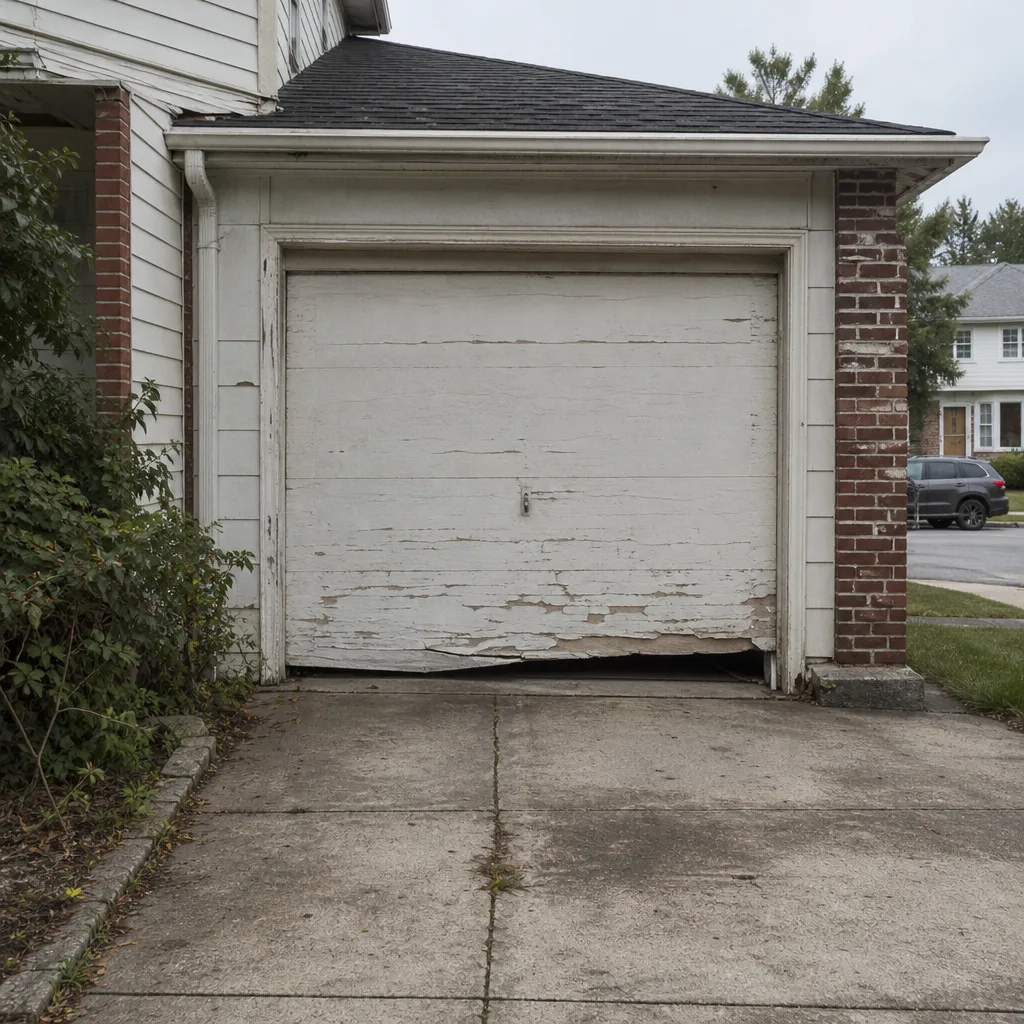 Before
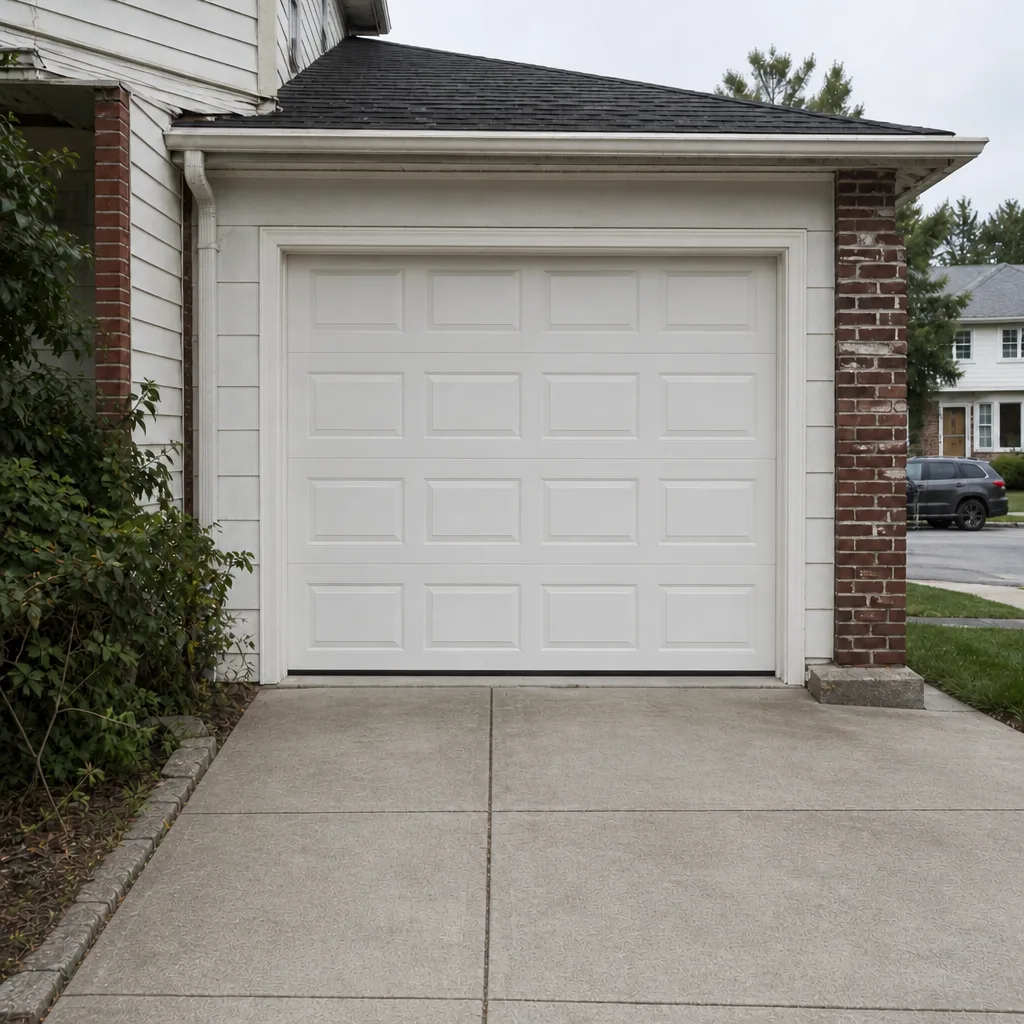 After
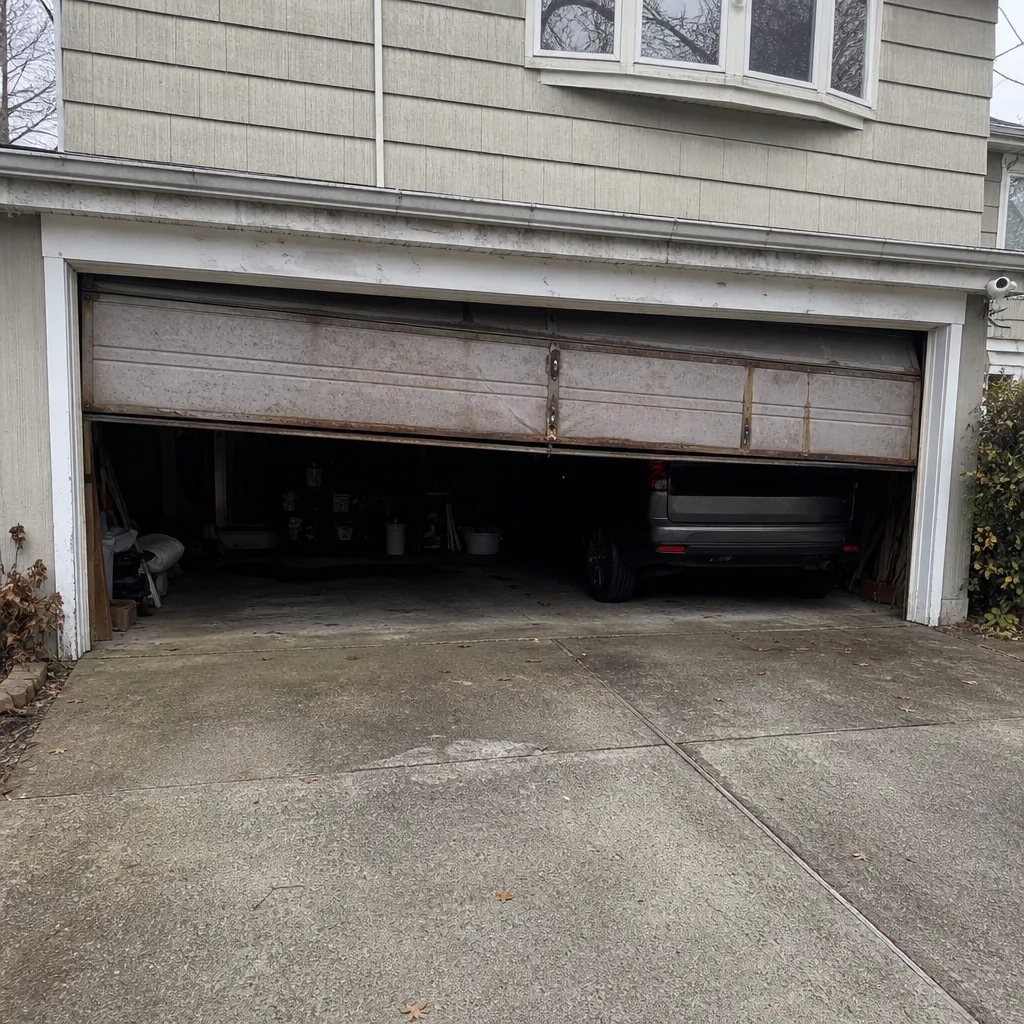 Before
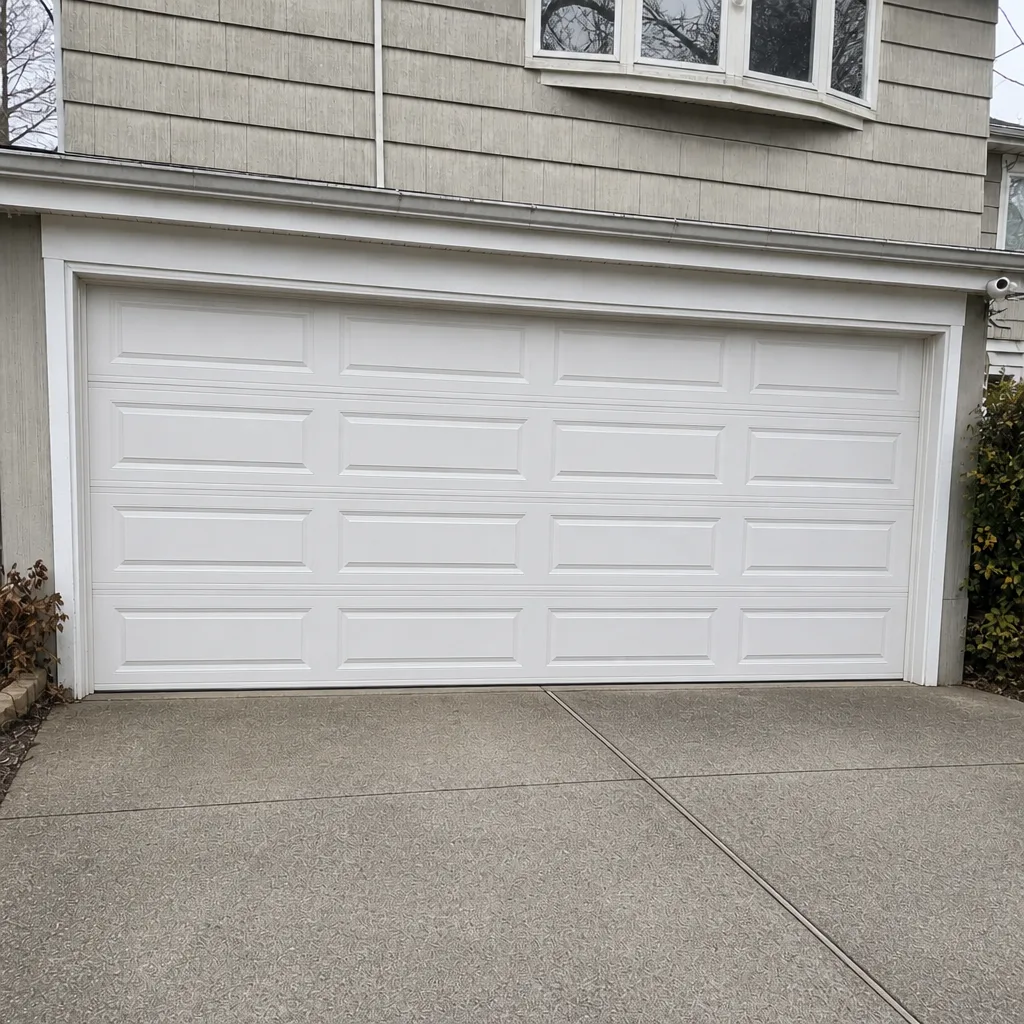 After
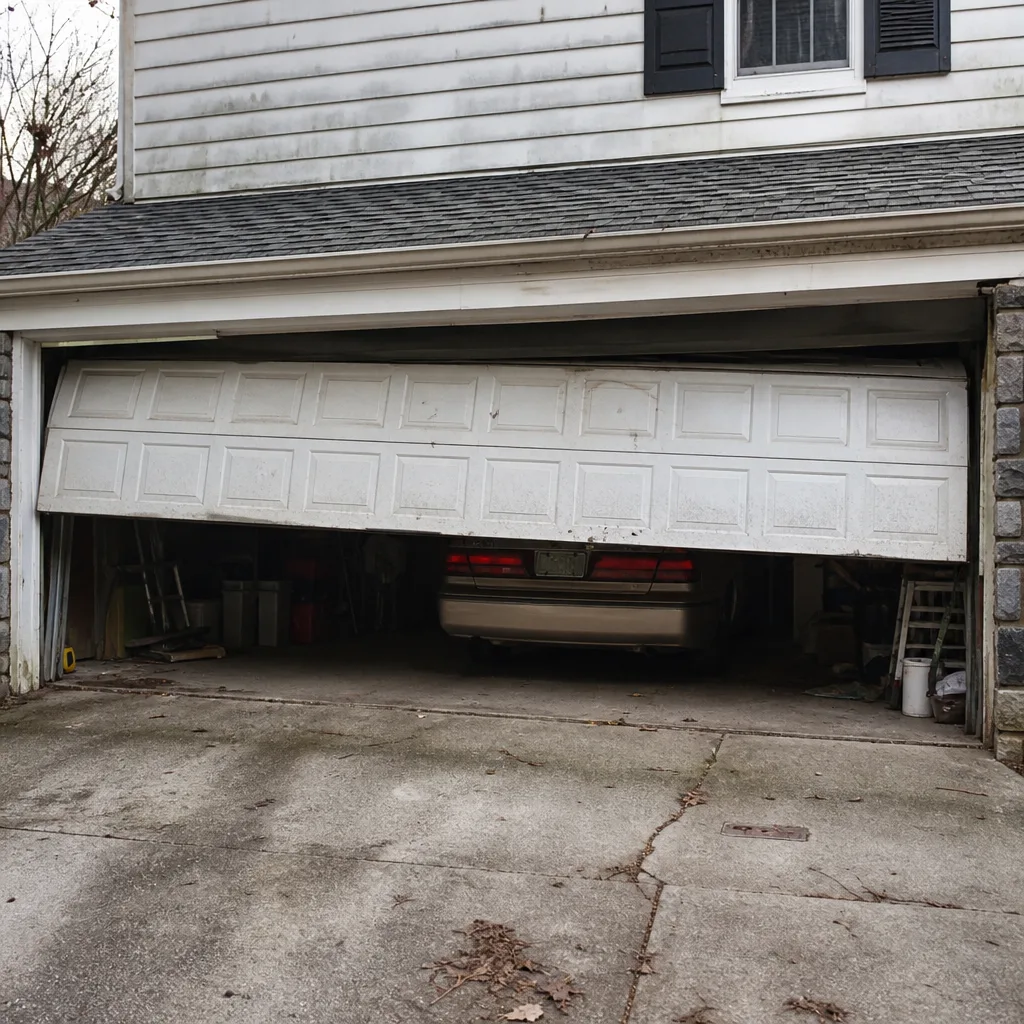 Before
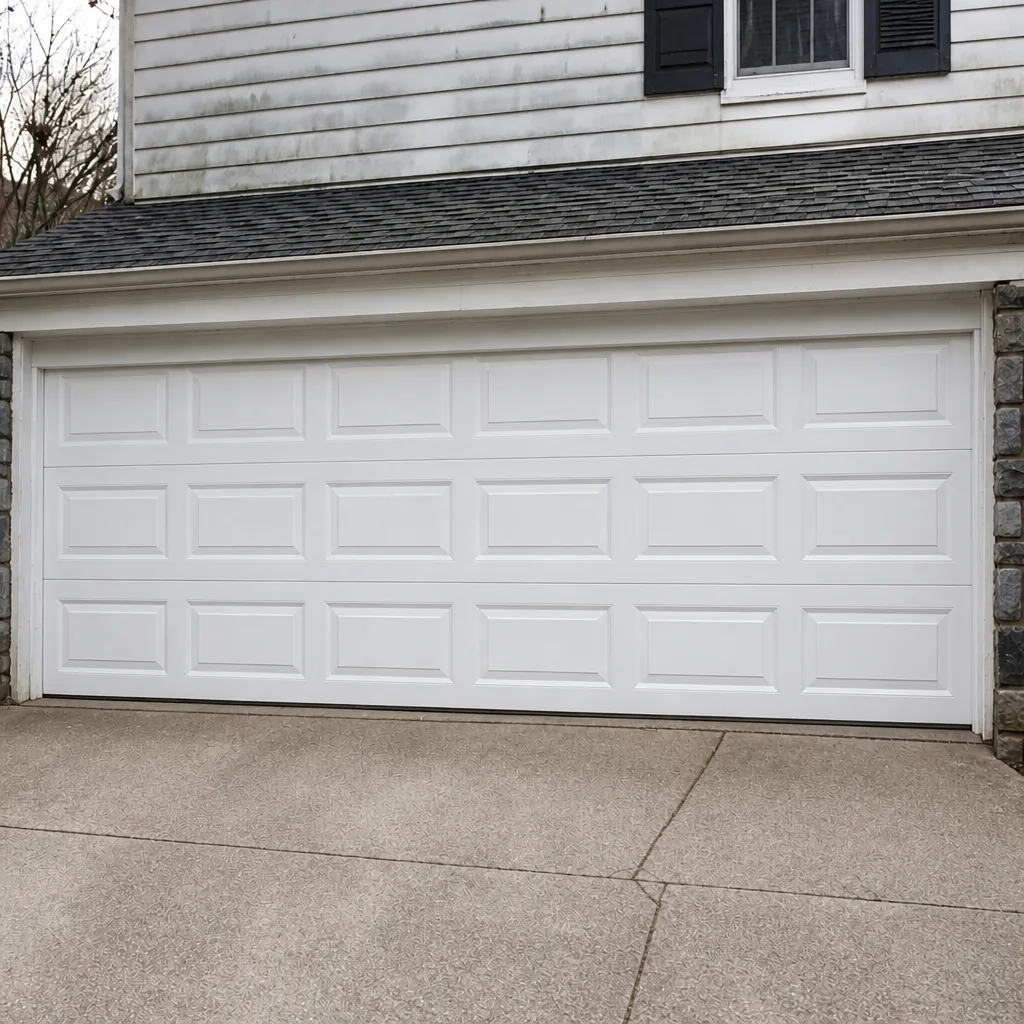 After
When to Call a Professional
Call a professional when the door is part of a larger change, when you’re buying or selling and need the record clean, or when anything about the installation turns structural. If the wall above the opening needs work, if the door shares a wall with living space, or if the property sits in a historic district, the paperwork is part of the job, and a specialist who understands it saves you from a filing surprise later. Same for spring work, opener failures, and any repair where the door won’t move safely. Garage Door Repair Upper East Side offers free estimates in Upper East Side. Call (877) 492-1824. We answer 24/7. Fast dispatch from 7am to 7pm, Sunday through Friday. Emergency garage door service is a dedicated part of what we do, and repair topics like opener failure and spring work are handled by technicians who deal with these systems every day.
Frequently Asked Questions
Not always. A same-size replacement in the same opening, with no change to the framing or fire separation, usually doesn’t require a Department of Buildings permit. Any structural change, a header modification, an enlarged opening, or a change to a fire-rated assembly almost always does. Call the city’s building department for your specific address before work starts.
Replacement in kind means the new door matches the old in size, position, and function, with no change to the structure of the opening. It matters because that’s the line between a maintenance replacement and an alteration requiring a permit. If the measurements match and nothing is being cut, you’re usually in the simpler category. Call (877) 492-1824 for a free estimate if you’re not sure where your project falls.
Yes, if the door is visible from the street and the property sits inside a designated historic district. The review checks the door’s profile, panel style, material, and color against the district’s character. Several Upper East Side blocks fall inside designated districts, so confirm your status before ordering a door. Call (877) 492-1824 to talk through the process, and we’ll help you get the documentation together.
Co-op and condo boards on the Upper East Side typically require an alteration agreement covering contractor insurance, work hours, access, and restoration of shared areas. The building may also require its own final inspection before closing the file. Read the agreement before you sign with a contractor so responsibilities line up. Call (877) 492-1824 for a free estimate and a written scope you can take to the board.
The door between an attached garage and living space has to serve the same protective role as the assembly it sits in. That means a rated door can’t simply be swapped for an unrated one, even if they look alike. Confirm the rating of the existing assembly and match the replacement to it, and ask the Department of Buildings if you’re unsure. Call (877) 492-1824 for an on-site look and a written estimate.
It usually surfaces during a title search or a buyer’s inspection, and it can hold up a closing until it’s resolved. The fix depends on what was changed: retroactive filing where the city allows it, a plan submission, or returning the opening to its original configuration. Keeping permits and inspection sign-offs at the time of the work avoids the whole problem. Call (877) 492-1824 if you’re selling and need the door work sorted properly.
The Bottom Line
The permit question on a garage door comes down to what you change, not whether the door is new. Same-size replacement in an unchanged opening usually needs no city filing, but structural work, header changes, and fire-rated assemblies bring the Department of Buildings into the job. A historic district adds Landmarks Preservation Commission review, and a co-op adds the building’s own alteration agreement on top. The one thing every path has in common is documentation: a written scope, a permit where one applies, and the spec sheets kept in a file. Get that right and the door gets installed once, on time, with nothing to fix at resale. When in doubt, call the borough office, then call a garage door specialist who knows the difference. For a free estimate in Upper East Side, call (877) 492-1824. We answer 24/7. Fast dispatch from 7am to 7pm, Sunday through Friday.
If the project is repair rather than a new door, the same specialists handle spring, track, and opener work as part of their Garage Door Repair Upper East Side service, and opener connectivity issues are covered under garage door opener repair. Get the estimate in writing and keep the file.
Written by the team at Garage Door Repair Upper East Side.