
Last updated November 21, 2026
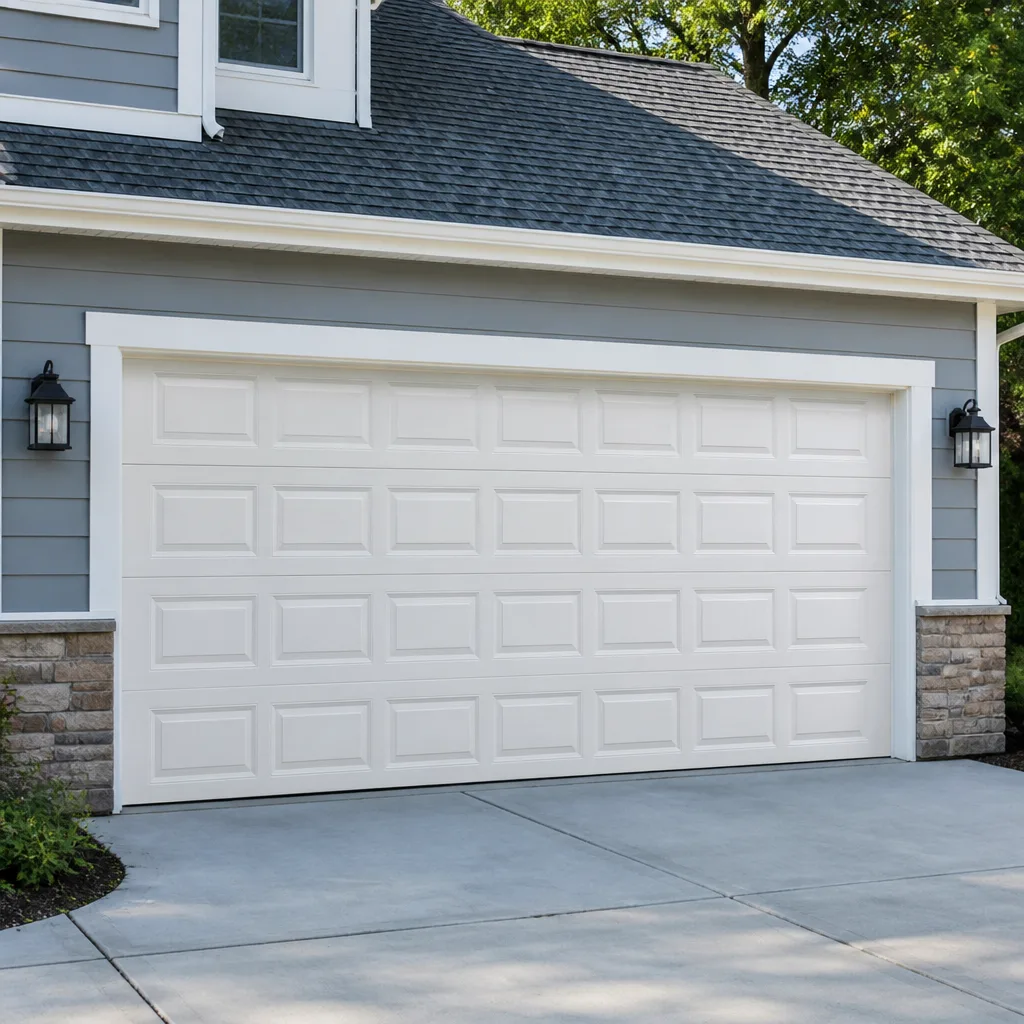 Raised-panel steel
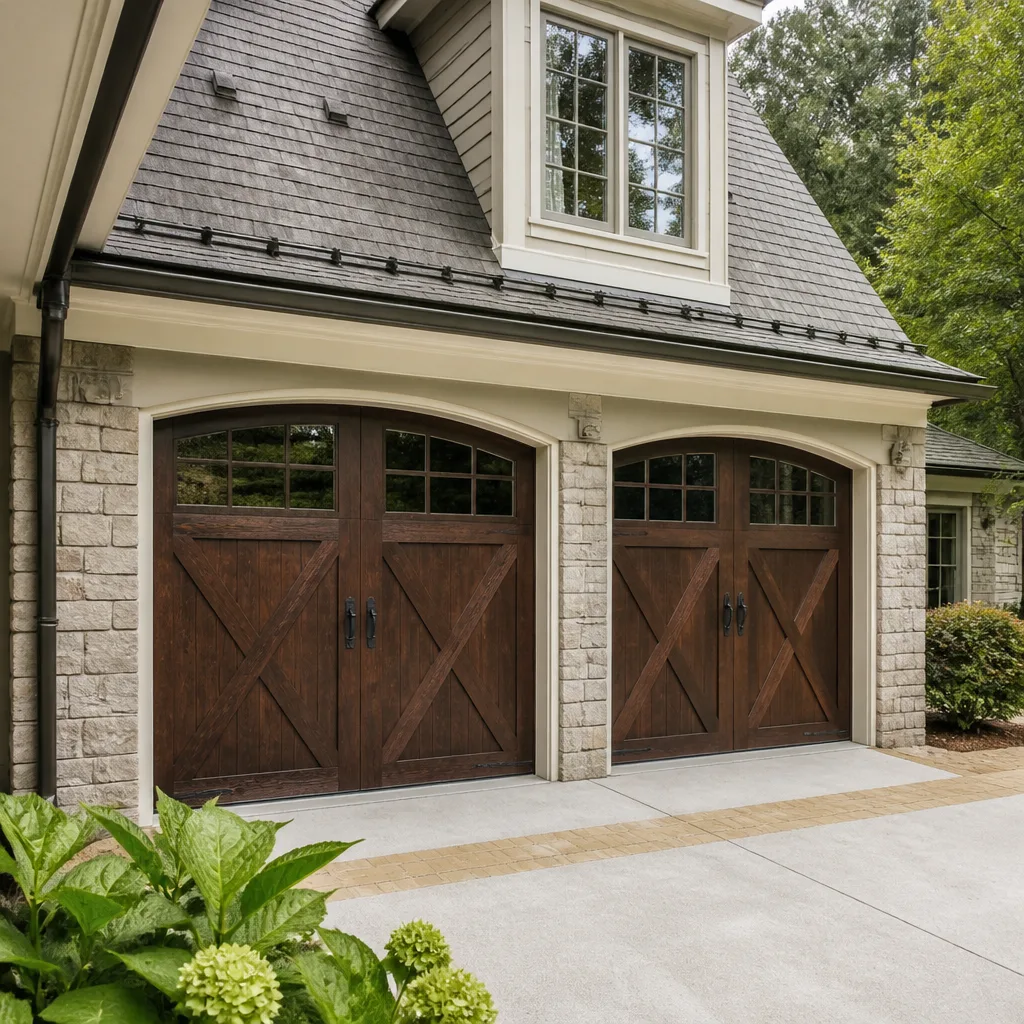 Carriage house
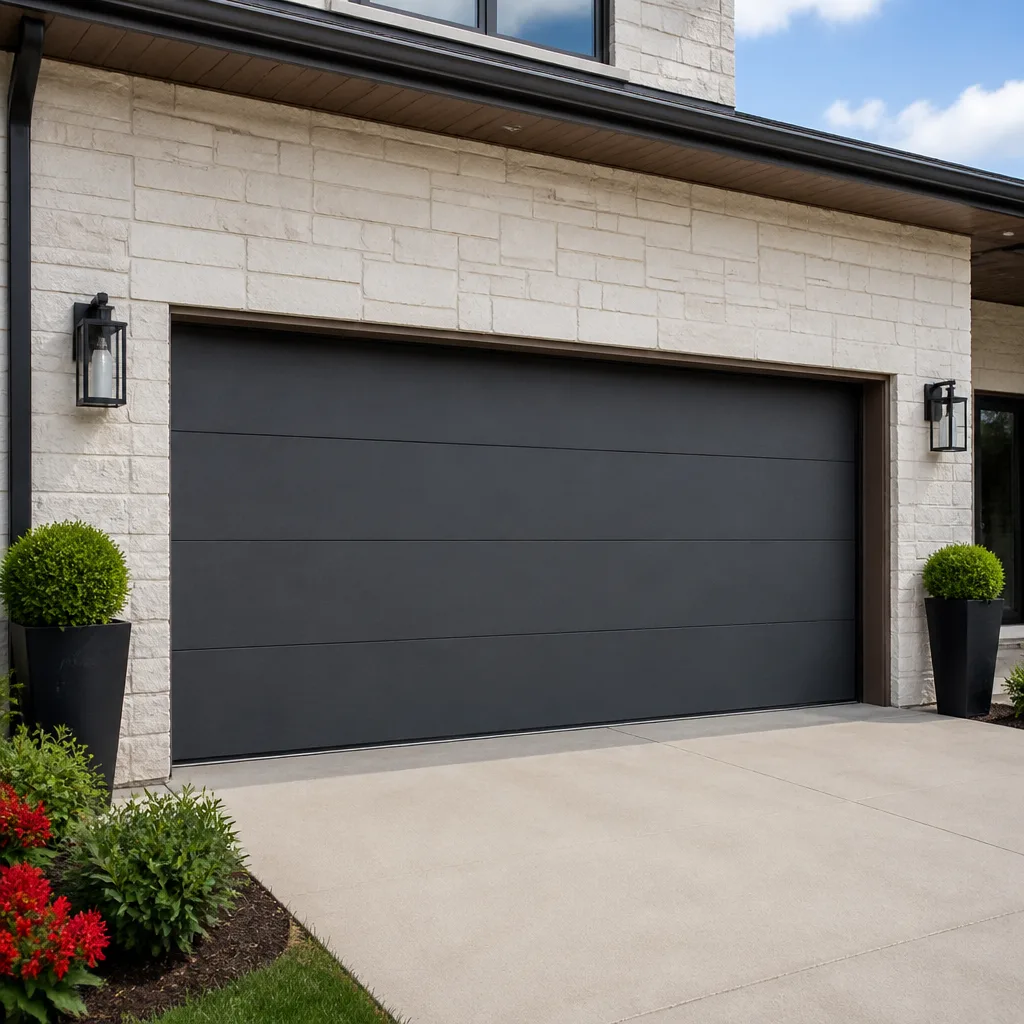 Modern flush
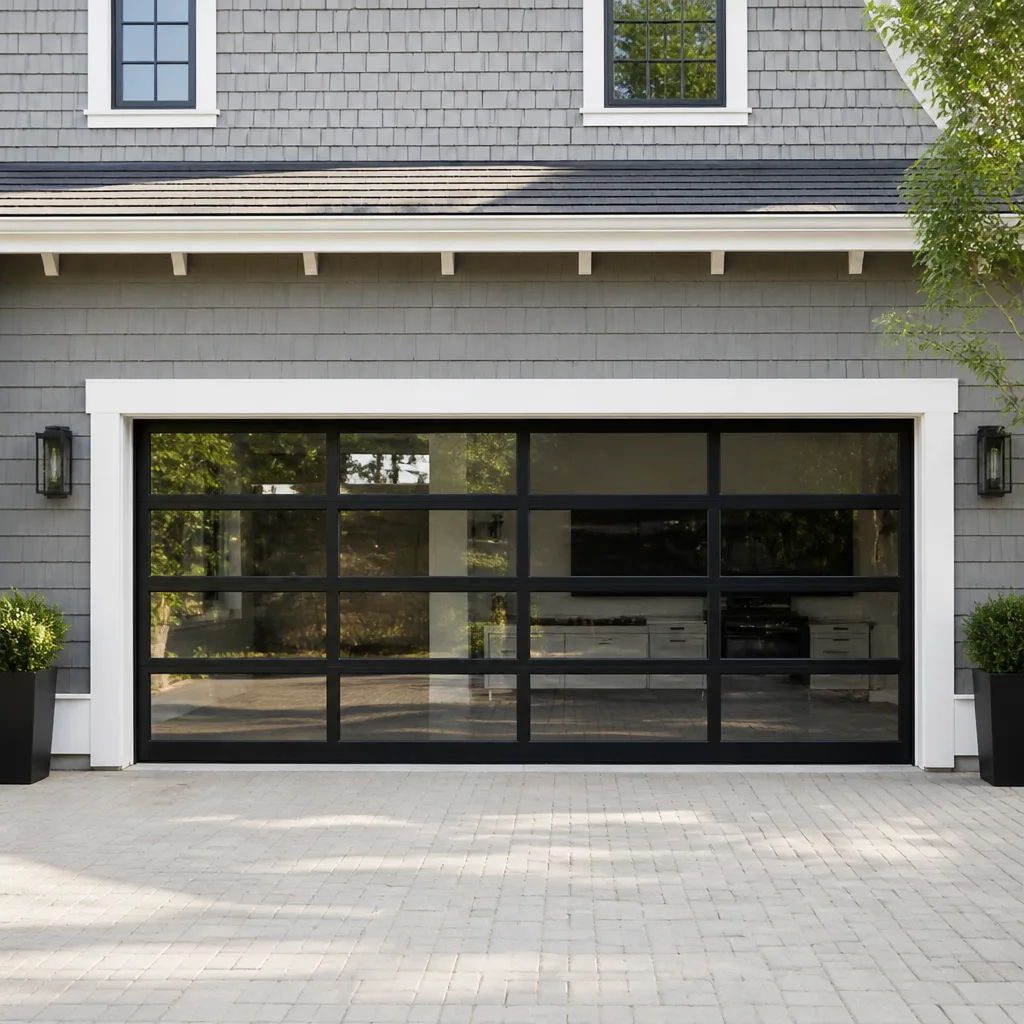 Full-view glass
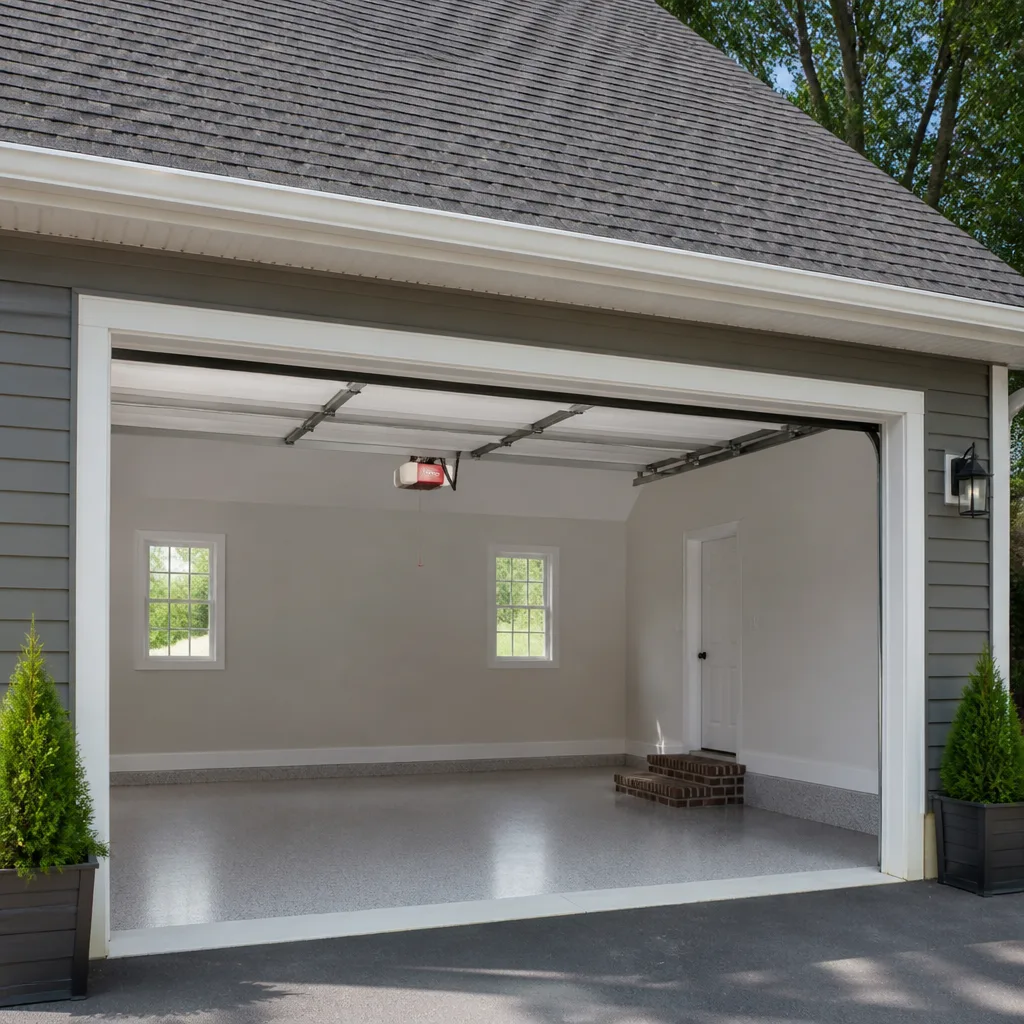 LiftMaster openers
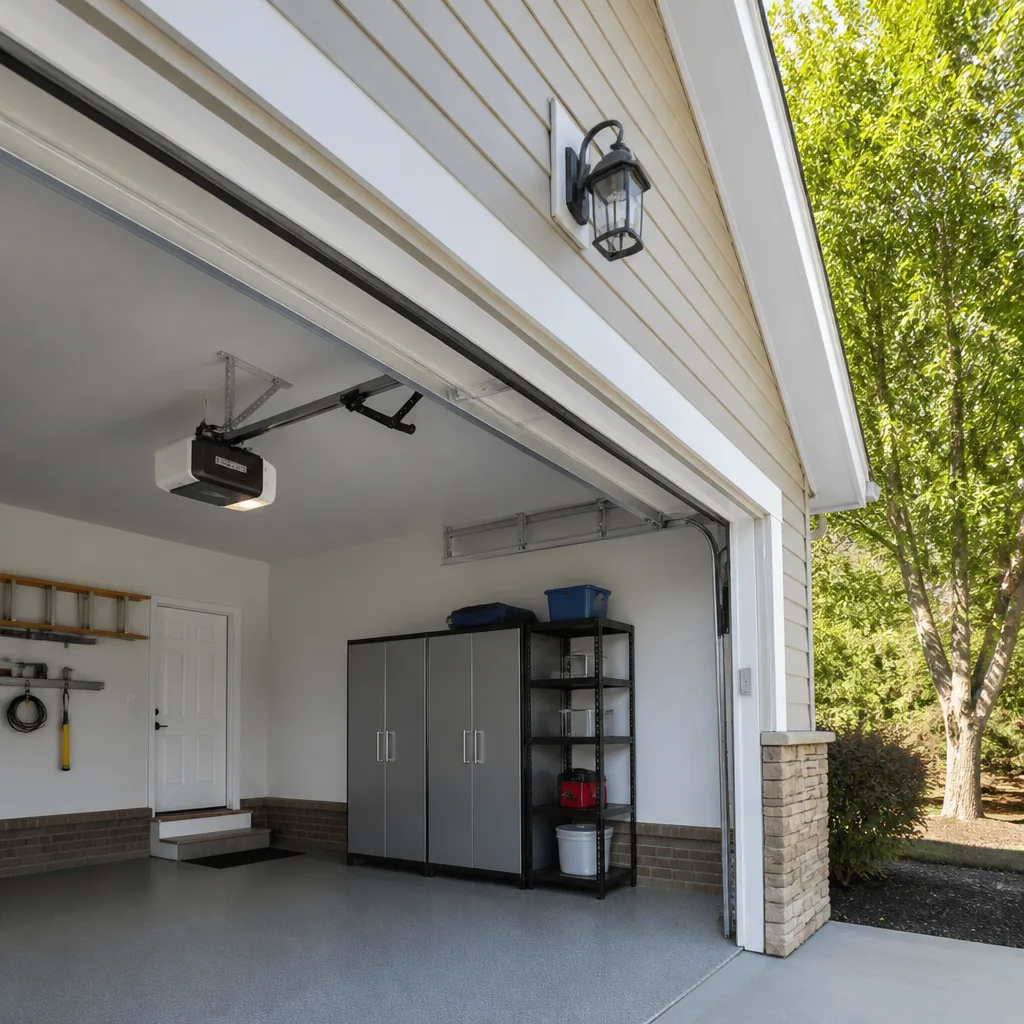 Chamberlain openers
Full 25-point door and opener safety check with every visit - springs, cables, rollers, tracks, and your LiftMaster or Chamberlain opener included
You get a price before we start. It does not change when the pro arrives.
Get your free estimateGarage Door Warning Signs: An Upper East Side Homeowner’s Reference Guide
A garage door that hesitates for two seconds before opening isn’t “warming up.” It’s an opener working against a spring that’s losing tension. That pause is a countdown, not a quirk. Most garage door failures in Upper East Side buildings and townhouses announce themselves weeks in advance, through sounds, speed changes, and balance problems that homeowners write off as personality traits of an old door. They aren’t. Each one points to a specific mechanical cause, and each one is cheaper to fix now than after the door stops. This guide maps the warning signs to what’s actually failing, including the ones unique to below-grade garages in Upper East Side buildings.
Quick Answer
The main garage door warning signs are a door that pauses before moving, uneven travel with one side lower than the other, grinding or snapping sounds, a door that reverses on its own, and visible sag or bent track. Each points to a failing spring, stretched cable, worn roller or hinge, or opener fault that will worsen with use. In an Upper East Side home, catching these signs early is the difference between a routine repair and a door stuck open on a street where you can’t leave it that way.
Styles & brands we work with
- Raised-panel steel
- Carriage house
- Modern flush
- Full-view glass
- LiftMaster openers
- Chamberlain openers
Table of Contents
- What the Sounds Are Telling You: Lubrication vs. Structural Failure
- Uneven Door Movement and What It Says About Springs and Cables
- Why a Sensor That Works From One Side Is a Safety Hazard
- The Manual Balance Test: The Most Reliable At-Home Check
- Warning Signs Specific to Below-Grade Upper East Side Garages
- Opener Warning Signs: When the Motor Is the Problem
- How Upper East Side Weather and Buildings Age a Garage Door
- Which Signs Mean Call Now and Which Can Wait
What the Sounds Are Telling You: Lubrication vs. Structural Failure
Sound is the first diagnostic tool we use on a garage door, and homeowners can learn to sort the harmless noises from the urgent ones with a little guidance. The distinction matters because one group means “service this soon” and the other group means “stop operating this door.”
Lubrication and wear sounds tend to be steady and predictable. You’ll hear them the same way every cycle, and they get worse slowly:
- A dry squeak or squeal that rises in pitch as the door travels. Usually dry rollers, hinges, or the torsion tube. This is a maintenance issue, not a failure signal.
- A low, rhythmic rumble that gets louder toward the top of the travel. Often worn nylon rollers that have gone flat on one side.
- A light rattle over the door panels on the way down. Loose hinge bolts or a door panel that has loosened from its stiles.
Structural sounds are different. They’re sudden, sharp, or inconsistent, and they tend to happen at one point in the cycle rather than throughout:
- A single loud snap or bang from the header area, followed by the door becoming very heavy or very light. That’s a torsion spring breaking. Stop using the door.
- A popping or twanging noise at one side of the door around the height of the drums. A cable is binding or has jumped a drum groove. This is a genuine hazard, because a cable under tension can whip if it lets go.
- A grinding scrape that changes pitch as the door moves, coming from the track line. The door is dragging against the track, which means misalignment.
If you hear any sound from the second group, stop operating the door and call. Our technicians have up to 9 years of experience sorting exactly this kind of noise over the phone and on site, which is why a few seconds of description usually gets us to the right parts before we arrive. We work on the brand you already have, whether that’s a LiftMaster opener or a Craftsman system installed by a previous owner.
Uneven Door Movement and What It Says About Springs and Cables
A door that goes up with one side higher than the other is telling you something specific, and it’s rarely the opener. On a torsion-spring door, there’s one spring (or a matched pair) at the header that lifts both sides together through the torsion tube, so uneven travel points at cables, drums, or rollers before it points at the motor. On an extension-spring door, there are separate springs at each side, and one wearing out faster than the other will tilt the door as it rises.
Here’s what the pattern usually means:
- One corner drops a couple of inches and stays there when the door is fully closed. Typically a stretched or slack cable on that side, or a drum that’s slipped.
- The door leans more as it rises, then looks level at the top. Often one roller out of its track or a bent hinge on the low side.
- The door comes up level but one cable looks looser when the door is fully open. A cable has stretched and is approaching the point where it comes off the drum. This is where a door stops rather than slows.
- The door shudders and leaves one side lagging. Usually a worn roller, but on older doors it can be a sign a spring is fatigued and losing force.
An uneven door is not something to “keep an eye on” for a few months. Because both cables on a torsion system share the load, an uneven door means one cable is doing more work than the other, so the failure accelerates. In Upper East Side brownstones and prewar buildings where the garage sits at street level or just below, a door that comes down crooked on one side also stops sealing correctly, which matters more than it sounds for the next problem on this list.
If your door is uneven and you’d rather have it looked at than guess, Garage Door Repair Upper East Side can send a specialist out with a free estimate before it becomes a stuck door.
Why a Sensor That Works From One Side Is a Safety Hazard
If your door closes when you stand on one side of the opening but reverses when you stand on the other, you don’t have a sensor “mood.” You have a misaligned or failed safety eye, and the door is closing without full protection. That’s a hazard, not an annoyance.
Garage door photo eyes work as a pair. One shoots an infrared beam, the other receives it. The opener only lets the door close when the beam is unbroken. When one eye is knocked slightly out of aim, dusty, or has a failing lens, the beam still reaches the receiver at short range but drops out at longer range, so the door closes fine from directly beside the opener and stops or reverses when approached from the far side of the opening.
Common causes, in rough order of frequency:
- The bracket on one eye got bumped and is a few degrees out of aim. Very common on tight city garages where bikes, strollers, and trash bins live near the door opening.
- Dust or construction grit has clouded one lens. Upper East Side garages near active building work pick this up quickly.
- The wiring to one eye has a loose connection, so the signal flickers.
- The eye itself has failed and needs replacing.
Never treat this as something to work around by holding the wall button. That’s exactly the behavior the safety reverse exists to prevent. A door that closes on a person, a pet, or a vehicle causes real damage and real injury. Have a technician test both eyes through the full width of the opening, which is a quick diagnostic but one that needs the door in motion under load to be done correctly. If you have a Wi-Fi-enabled LiftMaster or Chamberlain opener, the sensor test is the same, but the opener’s own diagnostics can help confirm whether the fault is the eye or the logic board. That’s where garage door opener repair comes in rather than a door repair.
The Manual Balance Test: The Most Reliable At-Home Check
The balance test is the single most useful thing a homeowner can do to gauge garage door health, and it takes about a minute. It tells you whether the springs are still carrying the door’s weight, or whether the opener is quietly doing work it was never meant to do.
Here’s how to run it safely:
- Close the door and disconnect the opener using the manual release cord. Pull straight down and let the trolley detach from the arm.
- Lift the door by hand to about waist height, then to halfway open. It should feel manageable, not like lifting a car.
- Let go at the halfway point. A properly balanced door stays roughly where you left it, maybe drifting a few inches.
- Repeat at a quarter open and three quarters open to see if balance changes through the travel.
- Reconnect the opener and run the door once to confirm normal operation.
What the results mean:
- The door stays put or drifts slightly. Springs are healthy and working as designed.
- The door drops fast when you let go. Springs have lost tension or one has broken. Do not reconnect and run the opener, because the opener will now be lifting the full weight of the door and will wear out or fail.
- The door rises on its own. Springs are over-tensioned or the wrong size. Also a call-now situation.
- The door lifts easily by hand but struggles with the opener connected. The springs are fine and the opener is the weak point, either the motor, the travel limits, or the force settings.
Don’t run the balance test if the door has a visible broken spring, a slack cable, or a door that has come off one track. Those are hands-off conditions. A torsion spring holds serious stored energy, and adjusting one is one of the few garage door jobs where the wrong move can cause serious injury. Leave tension adjustments to a trained technician, which is why we treat garage door repair spring work as a named specialty rather than a side task.
Warning Signs Specific to Below-Grade Upper East Side Garages
In Upper East Side neighborhoods like Yorkville, Carnegie Hill, and along the side streets off Lexington and Third, plenty of garages sit at or slightly below grade. That changes the wear pattern. A below-grade garage in Upper East Side buildings sees more moisture, more grit tracked in from the street, and more settling than a garage on a slab at grade, and the warning signs show up low on the door rather than at the top.
Watch for these:
- Rust or white crust on the bottom hinges and the bottom roller brackets. Moisture collects at the floor line and wicks into the steel. Crusty hinges bind, the door travels rough, and the opener compensates by pushing harder.
- A dark waterline or peeling paint along the bottom panel. The bottom section is the first to take on water. Steel panels rust from the inside of the seam outward, so paint bubbling along the bottom edge is a panel-replacement warning, not a painting job.
- The track pulling away from the wall at the bottom while staying true at the top. That’s settling, common in older masonry buildings. A track that’s out of plumb at the bottom will wear rollers fast and make the door drag.
- A gap under the bottom seal that appears on one side only. Often a settling floor slab plus a door that isn’t level. The gap lets in water, cold air, and pests, which is a real problem in a building with a below-grade garage.
- A musty smell with a door that still works fine. Not a door failure, but it usually means water is sitting under the threshold, and that will work its way into the bottom panel and hinges over time.
For property managers running a building garage, these signs add up to a maintenance schedule rather than a single repair. Cleaning and lubricating the bottom hinges and checking track plumb at the floor line once a year is far cheaper than replacing a bottom section and a set of rollers after a wet winter. If you see more than two of these on the same door, it’s worth a professional look before the next cold season.
Opener Warning Signs: When the Motor Is the Problem
Not every problem is the door. Sometimes the door is fine and the opener is what’s failing, and knowing the difference saves you from paying for spring work you didn’t need. The split matters even more with today’s smart openers, because connectivity faults and mechanical faults are two different repairs.
Signs the opener is the problem:
- The door moves in short jerks or pulses. Usually the force setting has drifted or the logic board is struggling.
- The opener runs but the door doesn’t move, and the carriage stays put. The trolley has detached or the drive gear has stripped.
- The wall button works but the remote doesn’t, or the app works and the remote doesn’t. That’s a radio or connectivity issue, not a mechanical one. On a LiftMaster or Chamberlain system with Wi-Fi, this is often a pairing or network problem rather than a hardware failure.
- The lights flash and the door reverses without touching anything. The opener is registering a force or sensor fault and refusing to close. The safety system is doing its job, but you need a technician to trace which input is causing it.
- A burning smell or a clicking relay sound with no movement. Stop using the opener and call. This is the one opener symptom that can turn into a fire issue rather than a door issue.
Our opener repair work focuses on the two dominant smart-home-compatible lines, LiftMaster and Chamberlain, alongside legacy hardware from Genie, Craftsman, and Raynor. We can also read the fault codes that these systems store, which is often the fastest route to a correct diagnosis instead of a parts-guessing visit. If your opener has a smartphone app and it has gone silent without a power outage, that’s a diagnostic question, not a mystery.
How Upper East Side Weather and Buildings Age a Garage Door
An Upper East Side garage door doesn’t age the way a suburban door does. It lives in a dense, mixed-use environment, and the wear comes from temperature swings, city grit, and building movement rather than lawn sprinklers and driveway sun.
What the local pattern looks like:
- Winter cold and summer humidity work the steel and the wood sections through constant expansion and contraction. The door’s panels and hinges take the movement, and the fasteners loosen over a few seasons.
- Road salt tracked in from the street lands on the bottom panel and the floor track. It’s a slow corrosion problem, and it’s the reason the bottom section of a city door wears out first.
- Older masonry buildings settle. A track bolted to a wall that has shifted a fraction of an inch over years will bind a door that used to run clean. That’s often why a door that was fine suddenly starts dragging.
- Dense parking and tight clearances mean more bumps to the door’s edges and to the safety eyes. A door that gets hit at the bottom corner will often go out of balance a few weeks later.
We see a lot of doors in Upper East Side buildings that are mechanically sound but out of adjustment because the building has moved under them. A technician who works on these doors regularly knows to check track plumb against the door rather than the wall, and that one habit prevents a lot of unnecessary parts replacement.
When a door has reached the end of its service life, replacing it is a better use of money than chasing repairs. That’s a measured and scheduled job, not a same-day call. We’ll take the measurements, order the right door for the opening, and give you a written price before anything is ordered. You can see the scope on our garage door installation page.
Which Signs Mean Call Now and Which Can Wait
Not every warning sign is urgent, and treating them all the same is how people overpay or underreact. Here’s how we sort them.
Call now and stop using the door:
- A loud snap or bang followed by a heavy door.
- A visible broken spring.
- A slack or hanging cable.
- A door that has come off one track or is visibly crooked in the opening.
- A sensor that only works from one side of the opening.
- A burning smell from the opener.
Call soon, but the door can be used carefully:
- A door that hesitates before moving.
- Uneven travel or a door that drifts down on its own.
- Grinding sounds from the track.
- A remote or app that only works intermittently.
- Rusty lower hinges with rough travel.
Put it on a maintenance list:
- A dry squeak that doesn’t change.
- A light rattle from loose hinge bolts.
- Peeling paint on a bottom panel with no visible rust.
If you’re not sure which group your door is in, describe the sound and the movement over the phone. In our experience, most signs sort themselves out in under a minute of conversation. If you need us out, we can get a specialist to you quickly, and when the door won’t move, we move fast.
Common Mistakes to Avoid
- Treating a slow start as normal. A door that pauses before it moves is an opener fighting a spring, and every cycle wears both a little more. It never fixes itself.
- Greasing everything on the door. Lubricant on the tracks or the torsion spring cable attracts grit and makes things worse. Tracks should be clean and dry, and the correct places for lubricant are the hinges, rollers, and pivot points.
- Overriding the safety reverse to force the door closed. Holding the wall button to push past a misaligned sensor defeats the one safety feature designed to prevent injury. Fix the sensor, don’t beat it.
- Adjusting a torsion spring without training. A torsion spring holds enough stored energy to cause serious injury, and the wrong adjustment damages the door, the opener, or both. Spring tension is not a homeowner job in Upper East Side or anywhere else.
- Ignoring the bottom of a below-grade door. Rusty hinges and a wet bottom panel are easy to overlook, and they’re the leading cause of doors that work fine one month and jam the next. Clean and lubricate the lower hardware before the wet season, not after.
- Replacing an opener when the door is the problem. If the door is out of balance, a new opener will struggle and wear out too. Diagnose the door first.
- Calling a general handyman for a spring or cable. These are the two components where a wrong move causes injury, and they’re the two a generalist is least likely to have the tools and training for. Garage doors are all we do.
See the difference
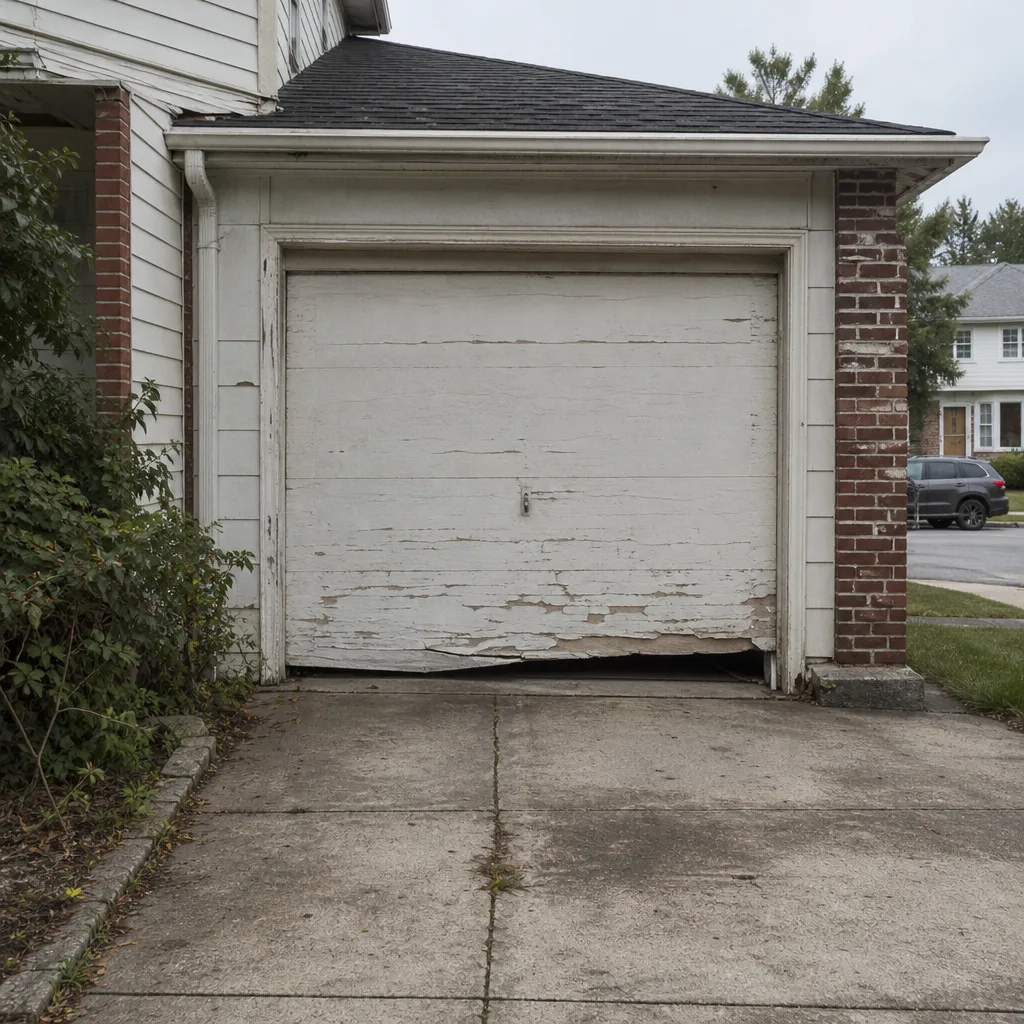 Before
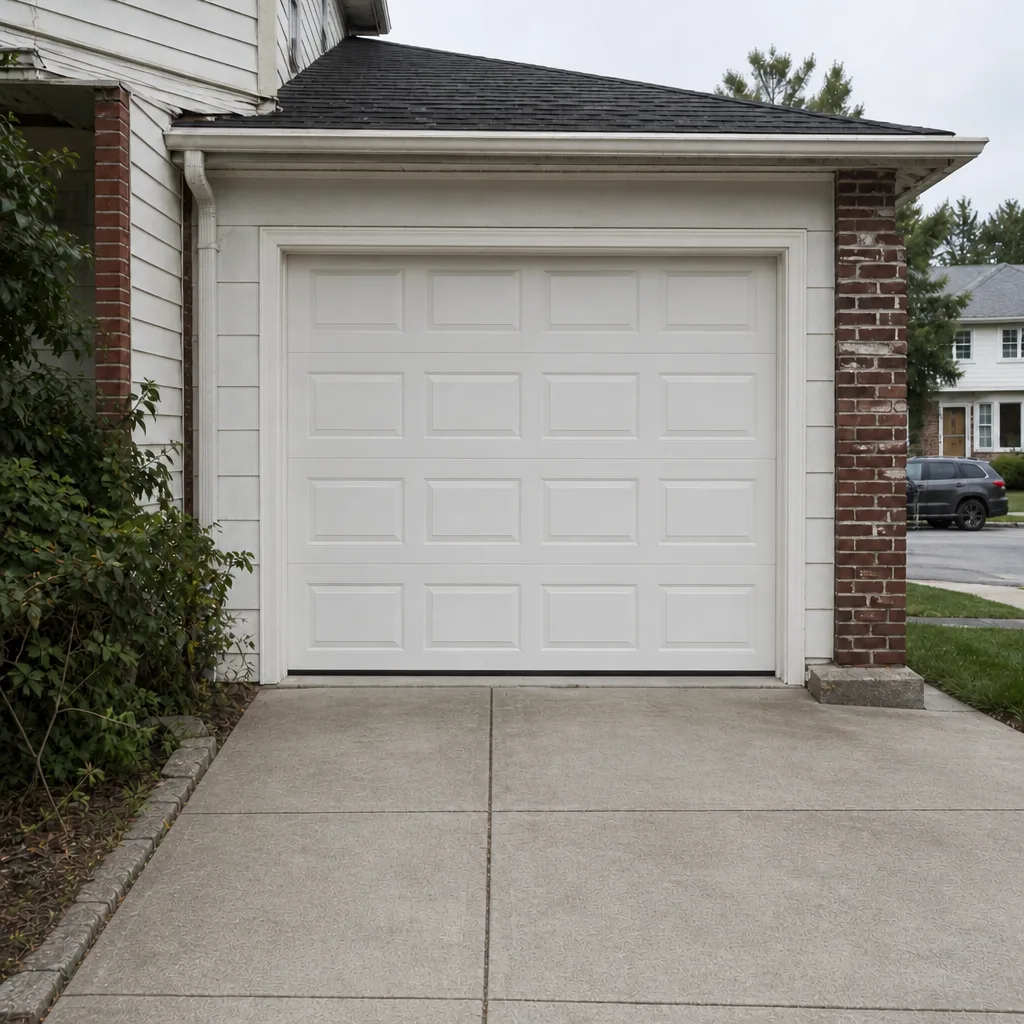 After
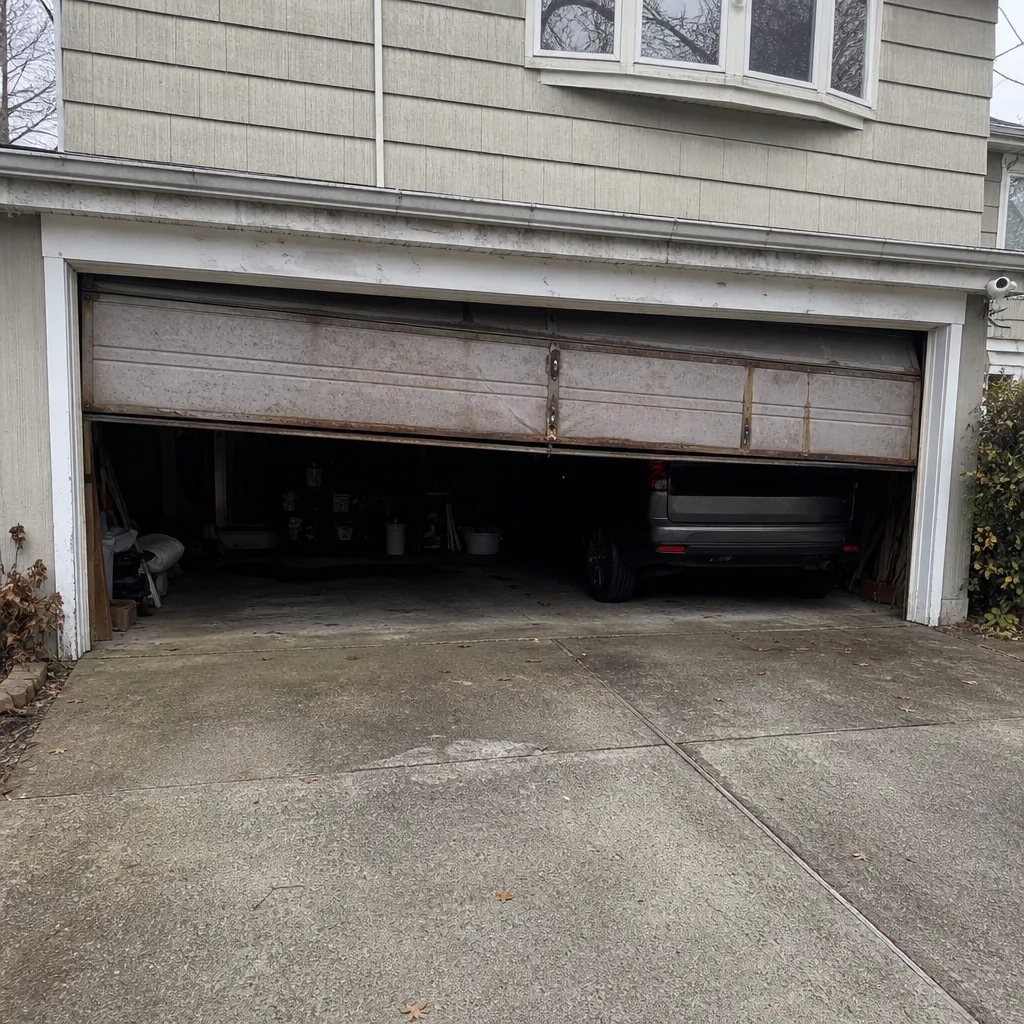 Before
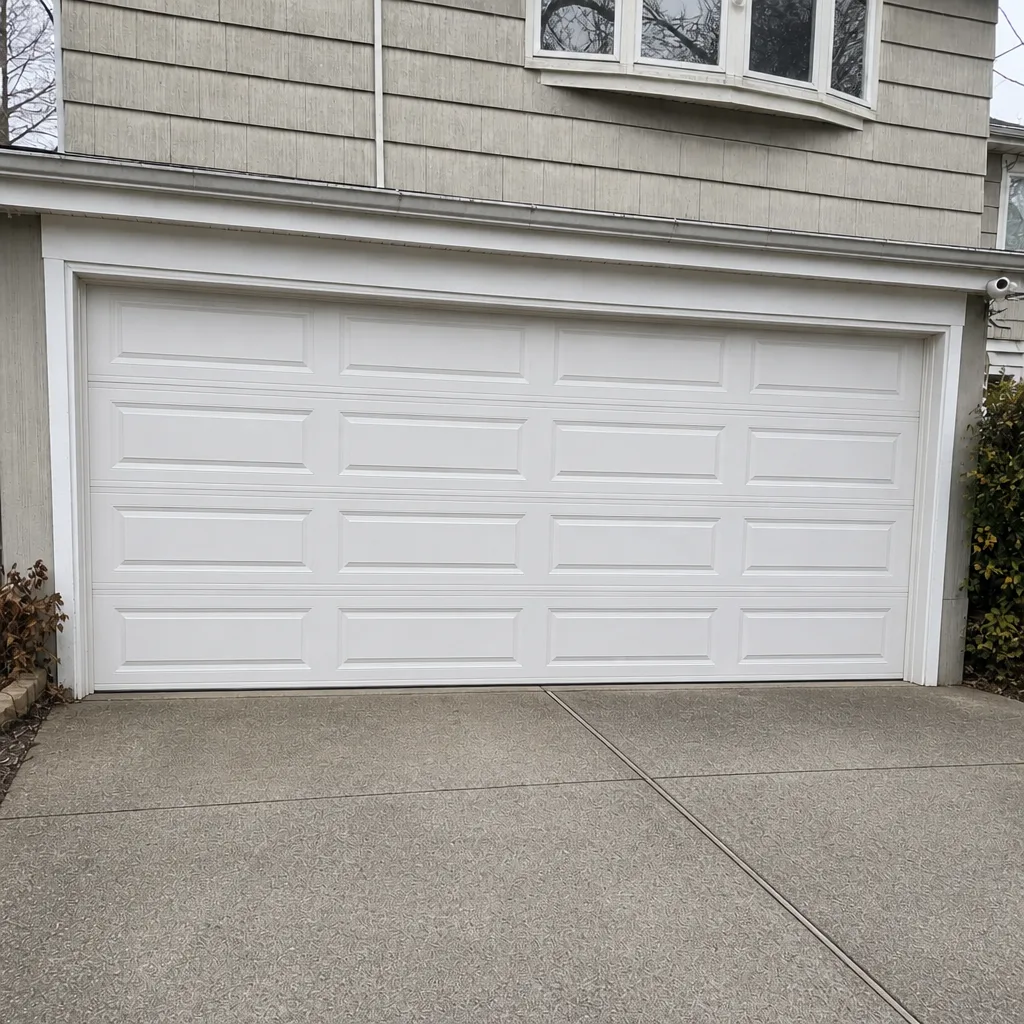 After
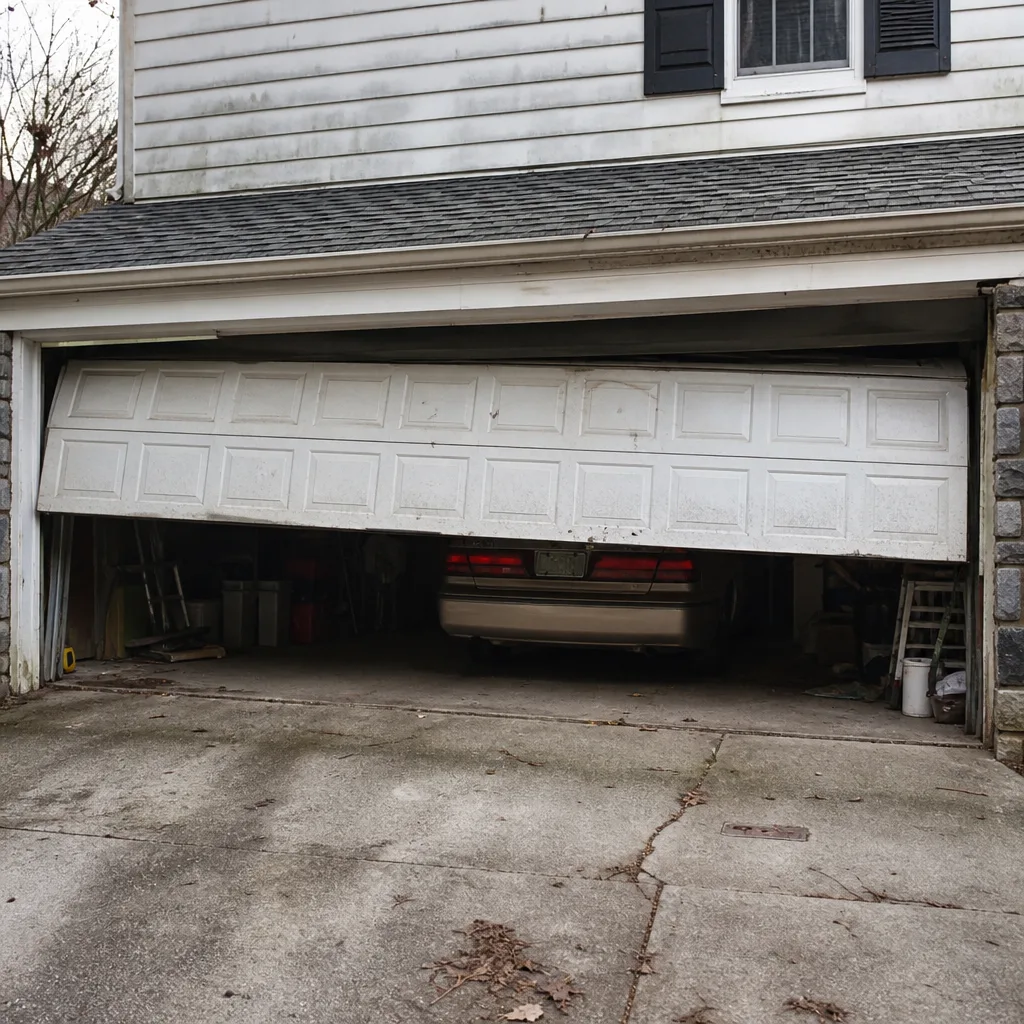 Before
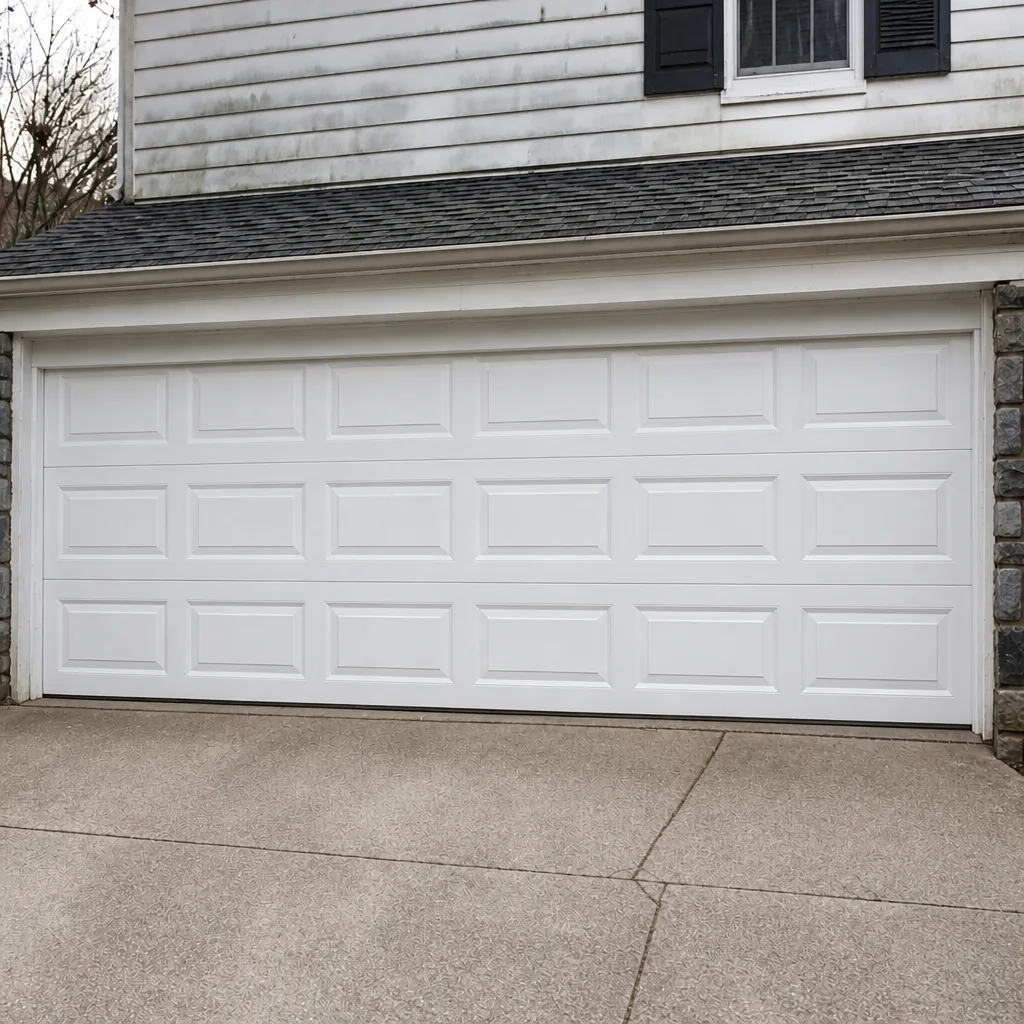 After
When to Call a Professional
Call a professional if you hear a snap or bang from the header, see a broken spring, find a cable that’s slack or off its drum, or notice the door is crooked in the opening. Call us if a sensor only works from one side, the door reverses on its own, the opener smells hot, or the door hesitates on every cycle after the temperature drops. For general wear, a door that’s rough, noisy, or out of adjustment is worth a proper look before the next season, and a balance test that fails is a definitive sign that the springs need attention.
Garage Door Repair Upper East Side offers free estimates in Upper East Side. Call (877) 492-1824. We answer 24/7. Fast dispatch from 7am to 7pm, Sunday through Friday, and we’re closed Saturday.
Frequently Asked Questions
The first sign is usually a change in the sound or the rhythm of the door, most often a door that pauses for a second or two before it moves. That pause means the opener is lifting more weight than the springs are helping with, so the springs have lost tension. A new squeal or a grinding sound at one point in the travel is the second most common early sign. Call (877) 492-1824 for an exact quote – estimates are free.
No. A door with a broken spring should stay closed and not be operated, because the opener is then lifting the full weight of the door and can fail, strip its gears, or drop the door. On a torsion system, the remaining spring or the cables are also carrying an unbalanced load. Leave it closed and have a technician come out. Call (877) 492-1824 and we’ll book a visit.
You’ll get a written price before the work begins, and for a below-grade or tight city garage the technician quotes to the specific door and clearance rather than a flat per-door rate. Spring work is priced per spring, and because a matched pair is normally replaced together, a pair costs about twice a single spring. The written estimate you receive on site is the price you pay. Call (877) 492-1824 for a free estimate.
That’s a misaligned or failing safety eye, not an intermittent opener fault, and it’s a hazard because the door is closing without full protection across the opening. The beam is reaching the receiver only at short range, so the door behaves differently depending on where you stand. Have it tested through the full width of the opening and repaired before the door is used again. Call (877) 492-1824 for an exact quote – estimates are free.
Run the manual balance test. Release the opener and lift the door by hand; if it stays where you leave it, the springs are healthy and the opener is likely the fault. If the door drops fast or rises on its own, the problem is the door’s balance or springs. A technician can confirm which in a few minutes on site, which is faster than replacing parts and hoping.
Yes, same-day repair is often possible on common failures like a broken spring, cable, or opener fault when you call during dispatch hours. We answer 24/7 and dispatch from 7am to 7pm, Sunday through Friday. A call outside dispatch hours is booked into the next opening, Sunday through Friday, 7am to 7pm. Call (877) 492-1824 to check availability.
The Bottom Line
Garage door failures are rarely sudden. They build through small, specific signals: a pause before the door moves, a sound at one point in the travel, a door that’s lower on one side, a sensor that only works from one angle. Learn those signals, run the balance test now and then, and pay attention to the bottom of a below-grade door in Upper East Side weather. When a sign points to a spring, a cable, or a safety sensor, treat it as a stop-use condition and have it checked by a garage door specialist rather than a generalist. Catching a warning sign costs far less than catching a fallen door.
If you’d like a specialist to look at your door, call Garage Door Repair Upper East Side at (877) 492-1824 for a free estimate. We answer 24/7 and dispatch from 7am to 7pm, Sunday through Friday. Our technicians have up to 9 years of experience and work on the brand you already have, from LiftMaster and Chamberlain openers to Craftsman and Raynor doors.
Written by the team at Garage Door Repair Upper East Side.