
Last updated November 21, 2026
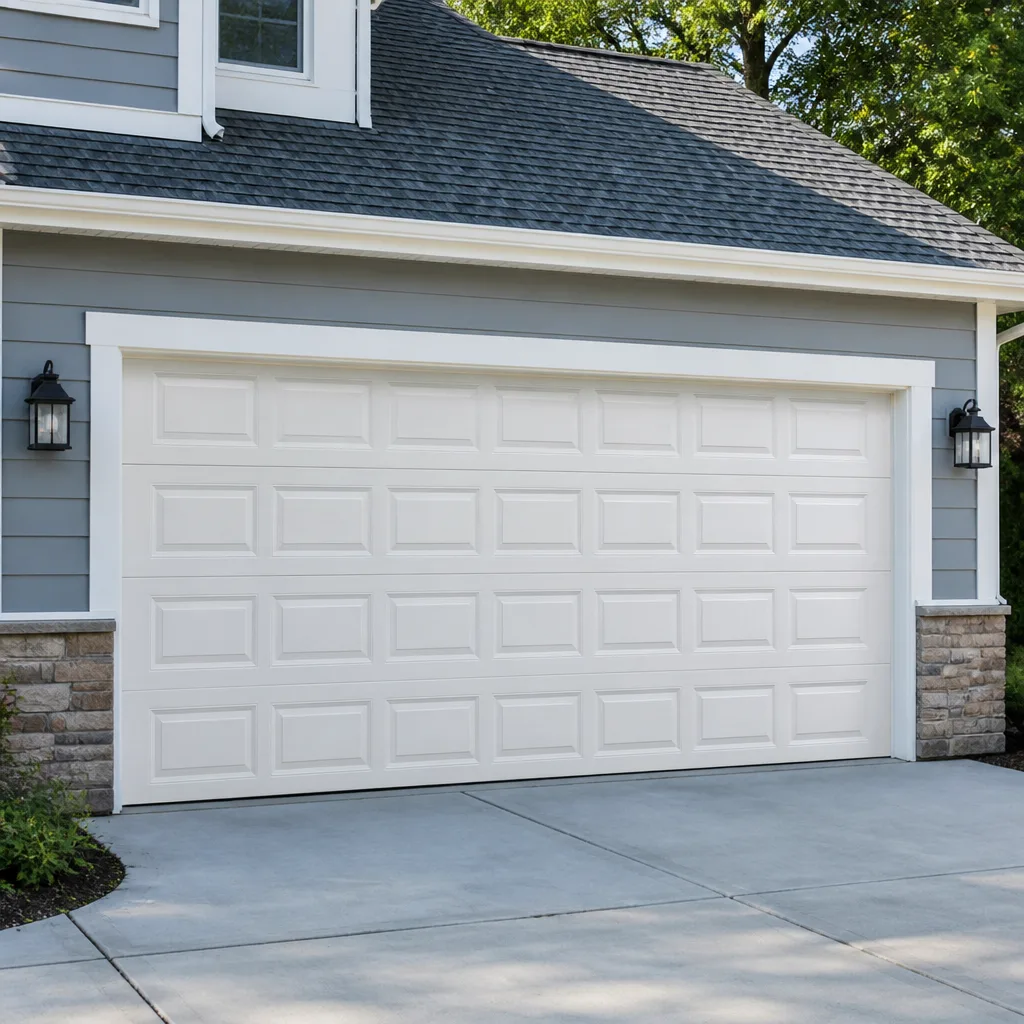 Raised-panel steel
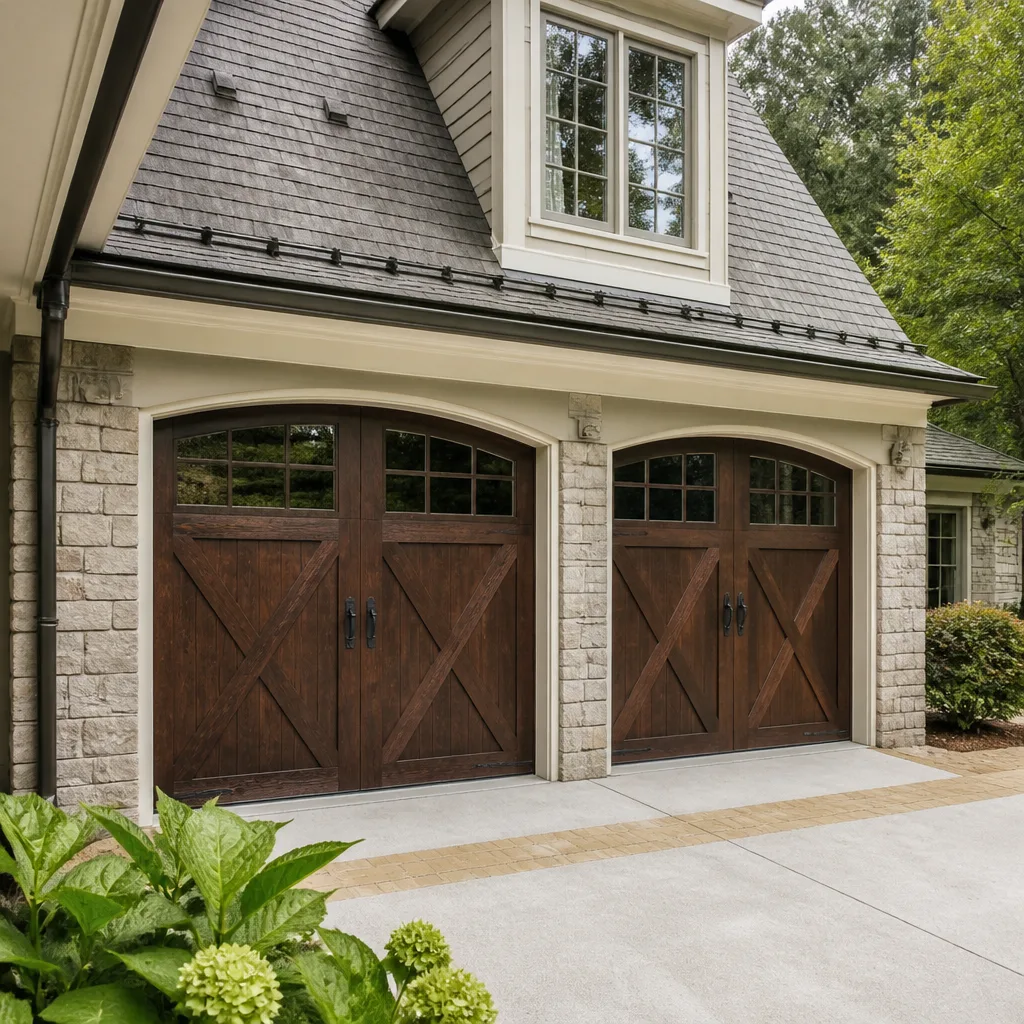 Carriage house
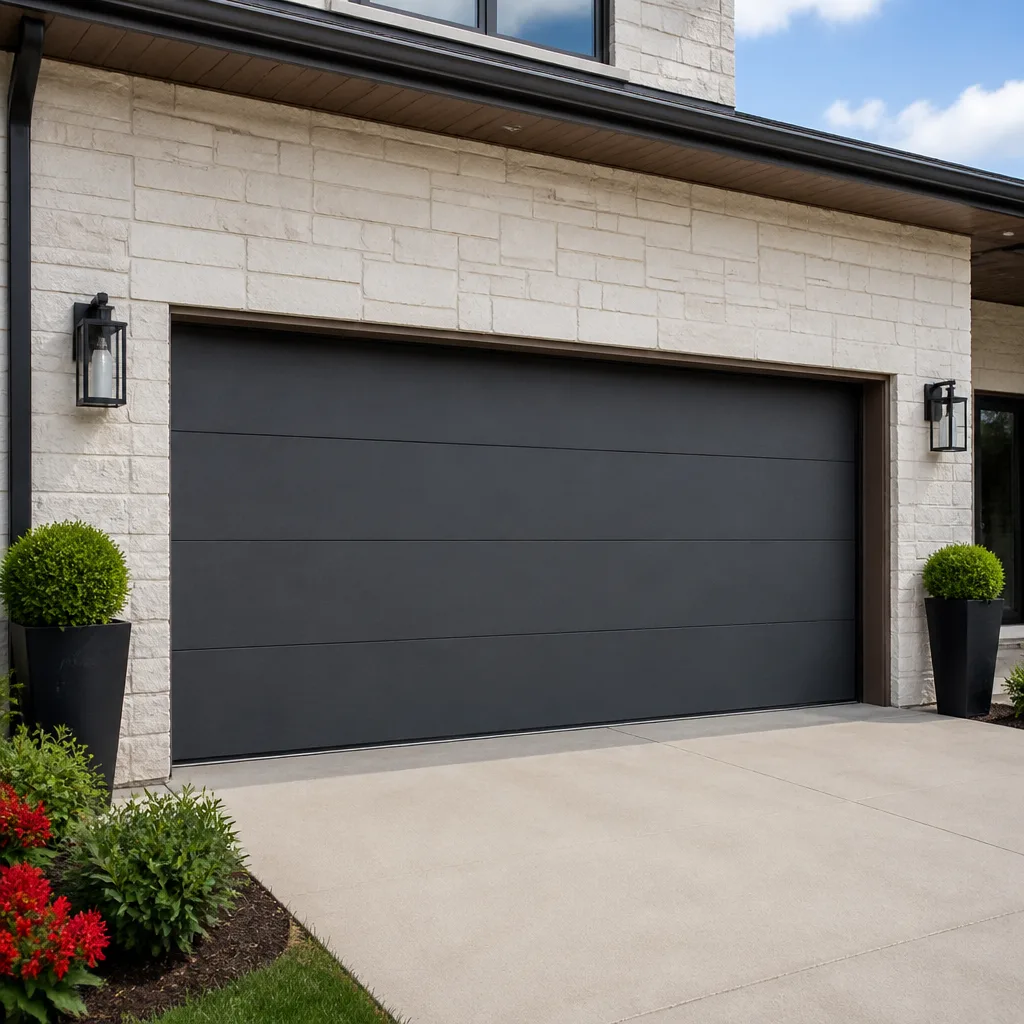 Modern flush
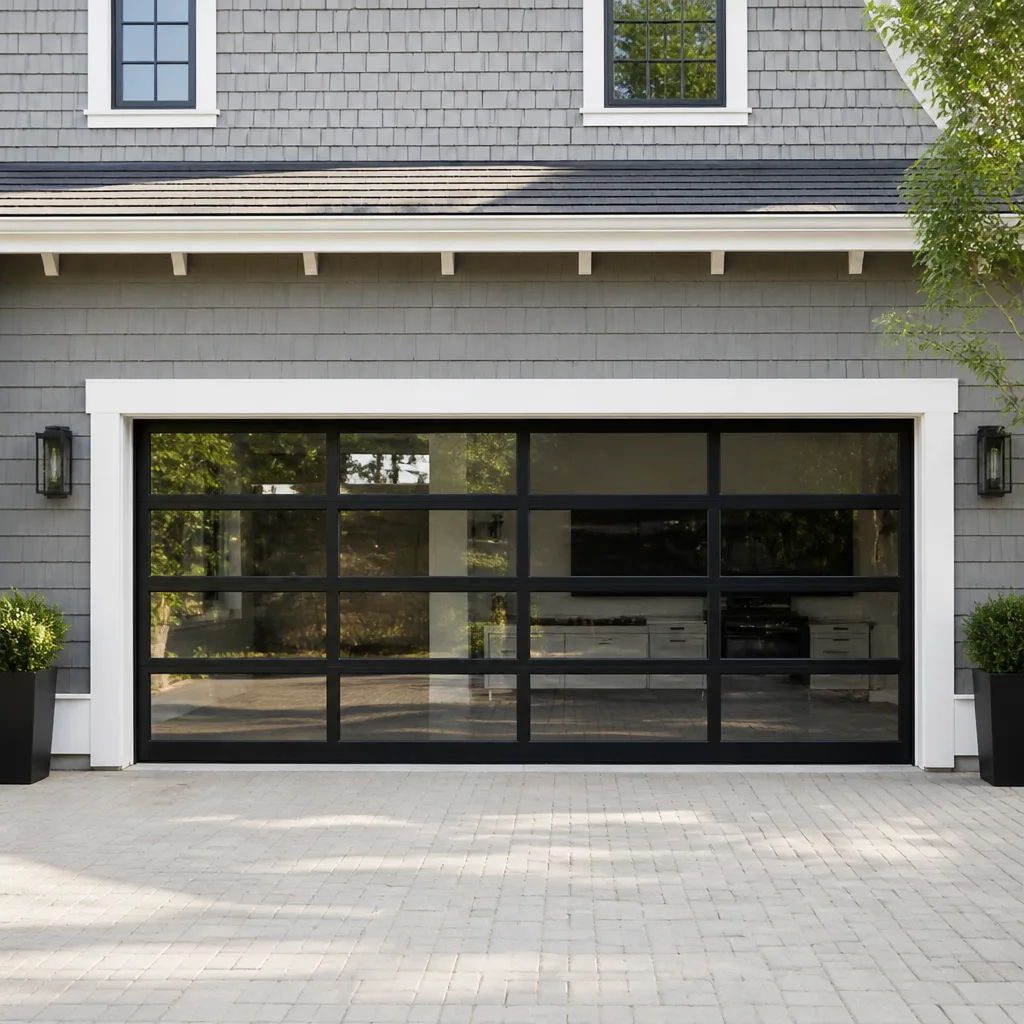 Full-view glass
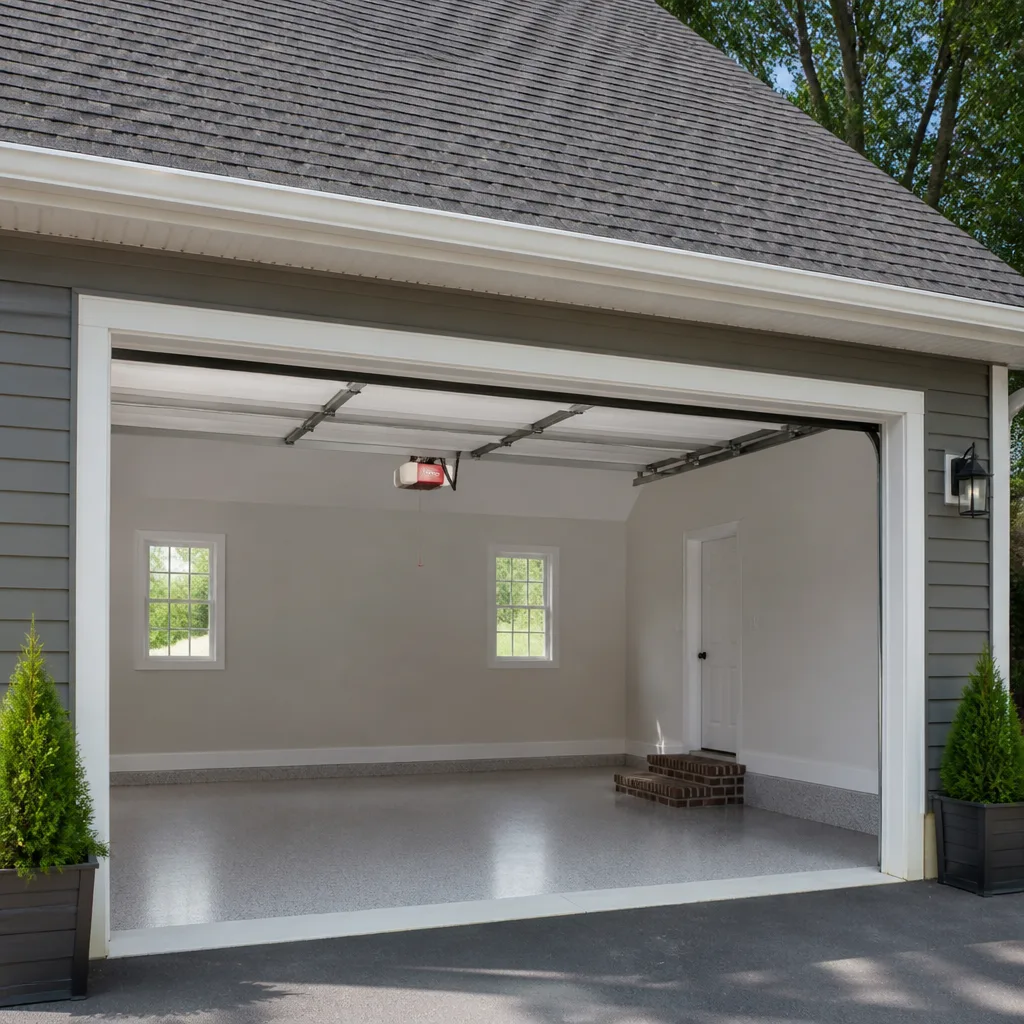 LiftMaster openers
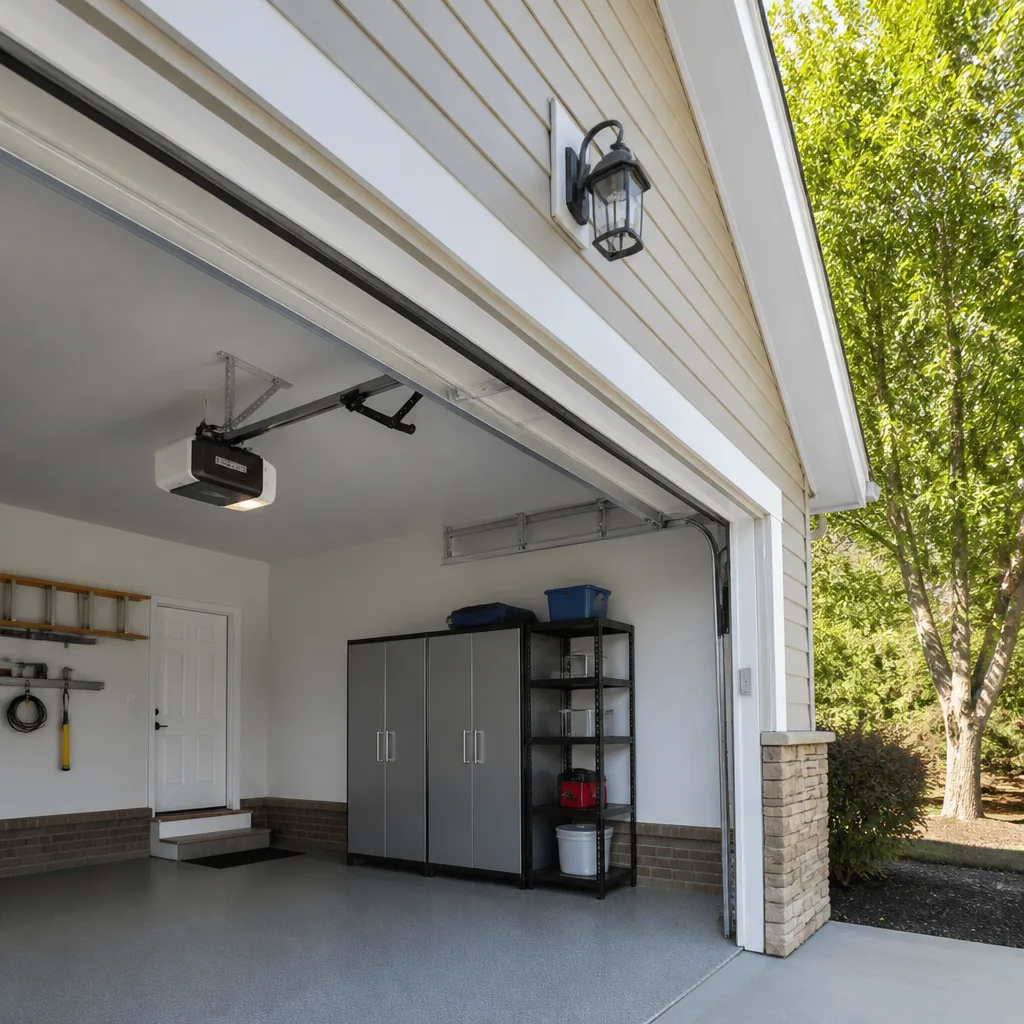 Chamberlain openers
Full 25-point door and opener safety check with every visit - springs, cables, rollers, tracks, and your LiftMaster or Chamberlain opener included
You get a price before we start. It does not change when the pro arrives.
Get your free estimateHow to Hire a Garage Door Contractor in Upper East Side: A Step-by-Step Guide
Most people who end up unhappy with a garage door repair aren’t upset about the invoice. They’re upset about the second visit. The technician showed up without the right spring size, or didn’t recognize the opener brand on the wall, or quoted a job they couldn’t finish. In a building where the door is the only way in and out for a car, a second visit means another day of parking on the street. This guide is about avoiding that. We’ll walk through the exact questions to ask, the answers that should make you walk away, what NYC licensing actually covers for this trade, and what a clean single-visit repair looks like from start to finish. If you live in Upper East Side, the bar is higher than most places, and this guide reflects that.
Quick Answer
Hire a dedicated garage door specialist, not a general handyman, and screen them on three things: brand familiarity with your specific equipment, whether their vehicle carries the parts for your job, and whether they’ll give you a written, itemized price before any work starts. In Upper East Side, you should also confirm the contractor carries the NYC Home Improvement Contractor license and that any helpers on the job are covered. The right answers to those questions separate a one-visit repair from a three-week headache.
Styles & brands we work with
- Raised-panel steel
- Carriage house
- Modern flush
- Full-view glass
- LiftMaster openers
- Chamberlain openers
Table of Contents
- Why a Garage Door Specialist Beats a General Handyman
- The Brand Questions That Reveal Real Expertise
- NYC Licensing: What to Verify Before You Book
- How to Read a Garage Door Quote
- Evaluating Emergency Availability Claims
- What a Legitimate Single-Visit Repair Looks Like
- What Garage Door Work Typically Costs in Upper East Side
- Common Mistakes to Avoid
Why a Garage Door Specialist Beats a General Handyman
The licensing question gets all the attention, and it matters, but it isn’t the real dividing line. Plenty of licensed general contractors will take a garage door job. What separates a specialist is whether the person standing in your driveway can finish the work that day. That comes down to parts on the vehicle, recognition of your equipment, and enough repetition with the same systems to diagnose quickly instead of guessing.
A garage door is a counterbalanced mechanical system. Springs, cables, drums, hinges, rollers, tracks, and the opener all interact, and a mistake in one component loads the others. A technician who works on doors every day reads that system in a few minutes. Someone who splits their week between doors, decks, and drywall is learning your door while you’re paying for it.
There’s also a practical difference in what they carry. A generalist arrives with a van full of assorted hardware and hopes something fits. A specialist arrives knowing the common spring wire sizes and cycle ratings for the door brands in their market, and can match torsion springs to door weight without a return trip.
We’re a single-trade business. Garage doors are all we do, from garage door repair through new door installation, opener work, and spring replacement. Our technicians have up to 9 years of experience, and they work on the brand you already have rather than steering you toward whatever they prefer to install.
That single focus has a specific benefit for Upper East Side homeowners: we’re familiar with the major residential brands you’ll find on prewar conversions and newer construction alike, including LiftMaster, Chamberlain, Genie, Clopay, Amarr, Wayne Dalton, Craftsman, and Raynor. Diagnosis is faster, and correct parts get sourced without guesswork.
The Brand Questions That Reveal Real Expertise
Asking “do you work on Clopay?” tells you almost nothing, because the answer is always yes. The question is too easy, and anyone who wants the job will say yes. Ask instead about the specifics of your equipment and listen for whether the answer comes quickly or gets vague.
Questions worth asking
- Which Clopay door series do you see most often in this neighborhood, and what spring setup does it use? A specialist can describe the door construction and the spring configuration without looking it up.
- My opener is a LiftMaster with a Wi-Fi module. Can you diagnose connectivity problems, or do you only handle the mechanical side? Smart opener repair is a different skill set from mechanical repair, and not every contractor has it.
- Does your vehicle carry torsion springs in the sizes for my door weight, or do you order them? This single answer determines whether you get a one-visit repair.
- What’s the difference between a standard-cycle and a high-cycle spring, and which do you recommend for a door that runs several times a day? Any real specialist has a clear view on this and can explain the tradeoff in plain language.
- Have you worked on Raynor and Chamberlain systems recently? Brand fluency across the common lines is a good sign that the technician won’t be reading a manual in your garage.
Answers that should make you pause
- “We’d have to come out and see it first.” Occasionally fair, but if it’s the answer to every diagnostic question, you’re paying for a diagnosis they can’t do remotely or by phone.
- Long pauses followed by brand names they can’t describe. If someone claims Chamberlain expertise but can’t tell you anything about the opener’s model line, the claim is thin.
- “We can get the part, it’ll just take a few days.” Sometimes unavoidable with unusual doors, but for common torsion springs on common doors, it usually means the vehicle isn’t stocked.
- Evasiveness about which manufacturer makes their springs and hardware. A technician who cares about the work knows what they install.
In our experience, the answers to questions two and three predict the outcome of the job better than anything else. A technician who knows smart openers and carries the right springs finishes in one visit. Everyone else schedules a return.
NYC Licensing: What to Verify Before You Book
New York City regulates home improvement work differently from most of the surrounding counties, and that difference trips people up. Inside the five boroughs, contractors performing home improvement work are licensed through the NYC Department of Consumer and Worker Protection as Home Improvement Contractors. That’s a city-level credential, not the county-level licensing structure you’d find in Nassau, Westchester, or most of suburban New Jersey. A contractor licensed elsewhere isn’t automatically licensed to work in Manhattan, and the reverse is also true.
What to verify before you book:
- Home Improvement Contractor license through DCWP. Ask for the license number and check it against the city’s public license lookup. A legitimate contractor won’t hesitate.
- Insurance. General liability and workers’ compensation. If someone is injured on your property and the contractor isn’t covered, the exposure can land on you as the property owner. Ask for a certificate of insurance, and don’t accept “we’re covered” as the answer.
- Written contract requirements. NYC requires a written home improvement contract for jobs above a certain dollar threshold, with specific disclosures. If a contractor resists putting the scope and price in writing, that’s a hard stop.
- Who’s actually doing the work. On a building job, ask whether the person doing the work is the licensed contractor, an employee, or a subcontractor. The answer affects who’s accountable when something goes wrong.
One clarifying point on the licensing question: it does not measure skill with a garage door. Two contractors can both hold the same license while one has replaced hundreds of torsion springs and the other has never touched a winding bar. Licensing establishes that someone is legally allowed to take your money and carries the coverage to back it up. It says nothing about whether the spring on your door will be wound correctly, the cables set to the right tension, and the door balanced before the technician leaves. That’s why you verify the license and screen for expertise separately. The license protects you legally. The technician’s hands protect you mechanically.
If your building has a co-op board or managing agent, ask about building-specific rules before booking. Some Upper East Side buildings require contractors to provide certificates of insurance in advance, restrict work hours for noise, or require superintendent notification. Getting that sorted before the technician arrives prevents a wasted trip.
How to Read a Garage Door Quote
A written quote tells you a lot about how a contractor thinks, sometimes more than the price does. A vague quote isn’t necessarily a red flag on its own, but specific patterns are worth catching before you sign anything.
Red flags in a quote
- A single “labor” line with no breakdown. Garage door work has distinct components: springs, cables, rollers, hinges, opener board, alignment. A quote that lumps it all into one number is hard to check and easy to inflate.
- No hardware brand named. If springs and rollers aren’t identified by manufacturer or at least specification, you can’t tell whether you’re getting a cycle-rated spring or the cheapest one available.
- An unusually wide price range before anyone has seen the door. A phone quote that ranges from one number to triple that isn’t a quote; it’s a hedge. Reasonable phone estimates narrow once the door type is described.
- Pressure to decide immediately. Garage door parts aren’t going anywhere in the next 24 hours unless the door is stuck open. A contractor who won’t give you a day to compare is telling you something.
- No written scope of what’s being replaced. “Fix door” is not a scope.
What a good quote includes
- The specific parts being replaced, with brand or specification where relevant.
- Whether the spring price is for one spring or a matched pair. This matters: on most doors, springs are replaced as a pair, and a pair costs roughly twice a single spring. A quote that seems low may be priced for one spring only.
- A clear statement that the price is set by the written estimate and agreed before work begins.
- What the technician will check beyond the failed part: balance, cable tension, roller condition, opener force settings.
Estimates are free, and the written estimate sets the final price. If the cost changes once the technician is on site, that change should come to you as a revision before any work continues, not as a surprise on the invoice.
Evaluating Emergency Availability Claims
Almost every garage door company advertises emergency service. The useful question is more specific: what does emergency availability actually mean here? A phone that’s answered doesn’t help much if the person on the other end is a call center booking a slot for Tuesday. Our answer is straightforward: we answer 24/7, and we run fast dispatch from 7am to 7pm, Sunday through Friday. We’re closed Saturday. A call outside dispatch hours gets booked into the next opening.
That’s a real commitment, and it’s worth asking any contractor you’re considering what their version is. A few questions that separate a real offer from a bullet point:
- Is the number answered by someone who can dispatch, or by a service? Ask what happens on a Sunday morning when the door won’t close.
- Do the technicians work on doors as their primary trade? A handyman who takes emergency calls for five different trades is not going to have garage door springs on hand when the door fails.
- What can actually be fixed on a first visit? A broken spring, off-track door, or opener failure can often be resolved in one visit if the technician carries the right parts. A door that needs replacement panels is a scheduled job.
- Is emergency work priced differently? Get the answer in writing before you book. The price should be set by the written estimate, and you should know the scope before work starts.
One thing to understand about garage doors and urgency: a door that’s stuck open is a security problem for a house and a real inconvenience in a building where the garage is shared. A door that’s stuck closed is an access problem. Neither is something to sit on for a week, but only one of them can wait for a scheduled visit. Know which situation you’re in before you call, and you’ll get a more useful answer.
When the door won’t move, we move fast. That’s the whole point of treating emergency work as a real service category rather than an upsell.
What a Legitimate Single-Visit Repair Looks Like
A one-visit repair has a recognizable shape. Knowing it helps you tell the difference between a technician working efficiently and one who’s stringing the job along. Here’s what a typical spring or opener repair involves.
- Assessment before touching anything. The technician checks door balance, cable condition, roller wear, and the opener’s force settings, not just the obviously broken part. A spring failure often reveals a cable or drum issue that caused it.
- Confirming the scope and price with you. Before work starts, you should know exactly what’s being replaced and what it costs. This is the part that gets skipped when a contractor plans to come back.
- Spring replacement done in pairs. On a two-spring door, both springs are replaced together. If one failed, the other is at the same point in its life cycle, and replacing one leaves you calling again within months.
- Balance and travel adjustment after the repair. A new spring changes the door’s balance. The door should open and close smoothly, stay at the halfway point when tested, and the opener’s travel limits should be set to match.
- Safety check. The photo-eye reversal test and force reversal test should be run before the technician leaves. This takes two minutes and tells you the door’s safety systems are working.
- Cleanup. Old springs, packaging, and hardware leave with the technician. This is a small thing, but a technician who leaves a mess is a technician who cut corners somewhere else.
Scope and timeline depend on what’s wrong. A broken torsion spring on a standard door is a single-visit job when the right spring is on the vehicle. An opener board failure may depend on parts availability. A door that’s been off-track and damaged the panels may need a scheduled installation.
If you need new hardware or a full replacement, we handle garage door installation as well as repair, so you’re not handed off to another company halfway through.
The safety piece
Torsion springs are the most dangerous component in a garage door system. They’re under high tension, and a spring that lets go during adjustment can cause serious injury. The same is true of the cables, which are under load and can whip if they fail. We treat spring repair as a standalone specialty for that reason, and not just as one line item among many.
We won’t walk you through spring replacement as a do-it-yourself project, because it isn’t one. If your spring is broken, keep the door closed, don’t try to force the opener, and call a trained professional. The door isn’t going anywhere, and neither is the risk if you leave it alone.
What Garage Door Work Typically Costs in Upper East Side
Garage door pricing in Manhattan runs at the higher end of what you’d expect compared to the surrounding suburbs, mostly because of access and building logistics. Narrow driveways, shared garages, loading zone rules, and co-op or condo requirements all add time to a job, and time is part of what you’re paying for.
These are typical estimated ranges for common work in Upper East Side. The written estimate sets the final price, and every job gets quoted before work begins.
- Torsion spring replacement, one spring: $180 – $340
- Torsion spring replacement, matched pair: roughly twice the single-spring price, since both springs are replaced together
- Opener repair, common failures: $150 – $350
- Opener replacement, standard residential unit: $350 – $650
- Cable replacement: $150 – $300
- Roller and hinge replacement: $150 – $300
- Door replacement, standard single-car door: $1,400 – $3,500 depending on material and style
Those ranges cover parts and labor together. A quote that’s dramatically below them usually means a single spring when your door needs a pair, or a low-grade component that won’t last. A quote that’s dramatically above them without a clear explanation is worth questioning.
For emergency work, ask before you book what the price looks like outside usual dispatch hours and confirm it in writing. The estimate is free either way, so there’s no reason to commit to a number you haven’t seen in writing. You can also read more about specific garage door opener repair and what affects its pricing.
Common Mistakes to Avoid
- Hiring whoever answers the phone first. The first company that picks up isn’t necessarily the one with the right parts for your door. A fifteen-minute call to two other contractors can save you a week of waiting on a return visit.
- Accepting a phone quote as the final price. Phone estimates are useful for narrowing the field. They’re not a quote until they’re in writing with the scope described.
- Replacing one spring on a two-spring door. It saves money now and costs more later, because the second spring is at the same point in its cycle. Any technician should tell you this without being asked.
- Assuming a general contractor’s license covers Manhattan. The licensing structure in NYC differs from the surrounding counties. Verify the license through DCWP, don’t take “we’re licensed” at face value.
- Skipping the insurance check on a building job. In a co-op or condo, a contractor without workers’ compensation coverage creates exposure that can land on you or your board.
- Letting a contractor test-drive your opener by running it repeatedly with a broken spring. Running the opener with a broken spring can damage the opener motor and make the job bigger. Leave it closed.
- Ignoring building rules. A few Upper East Side buildings require advance notification of work or restrict when contractors can access the garage. Getting this wrong means a wasted visit and a rescheduled job.
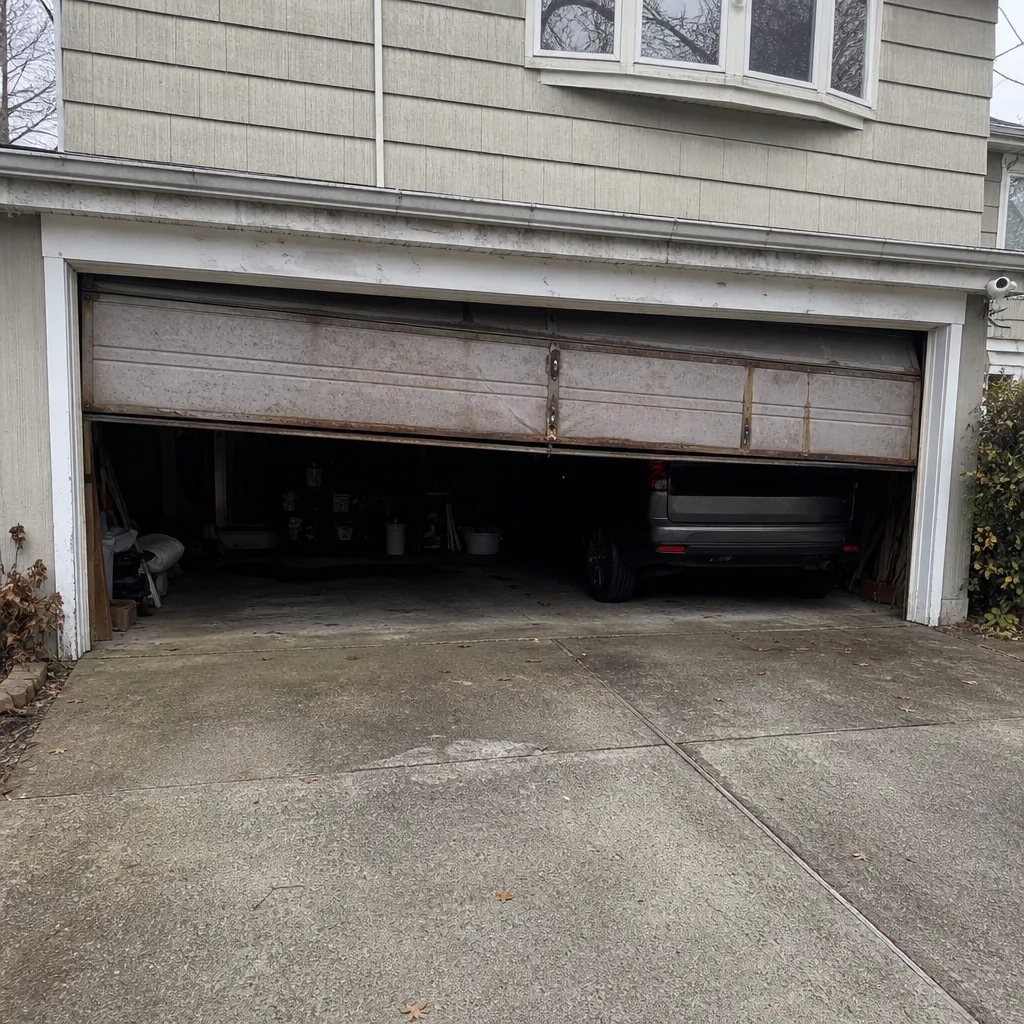
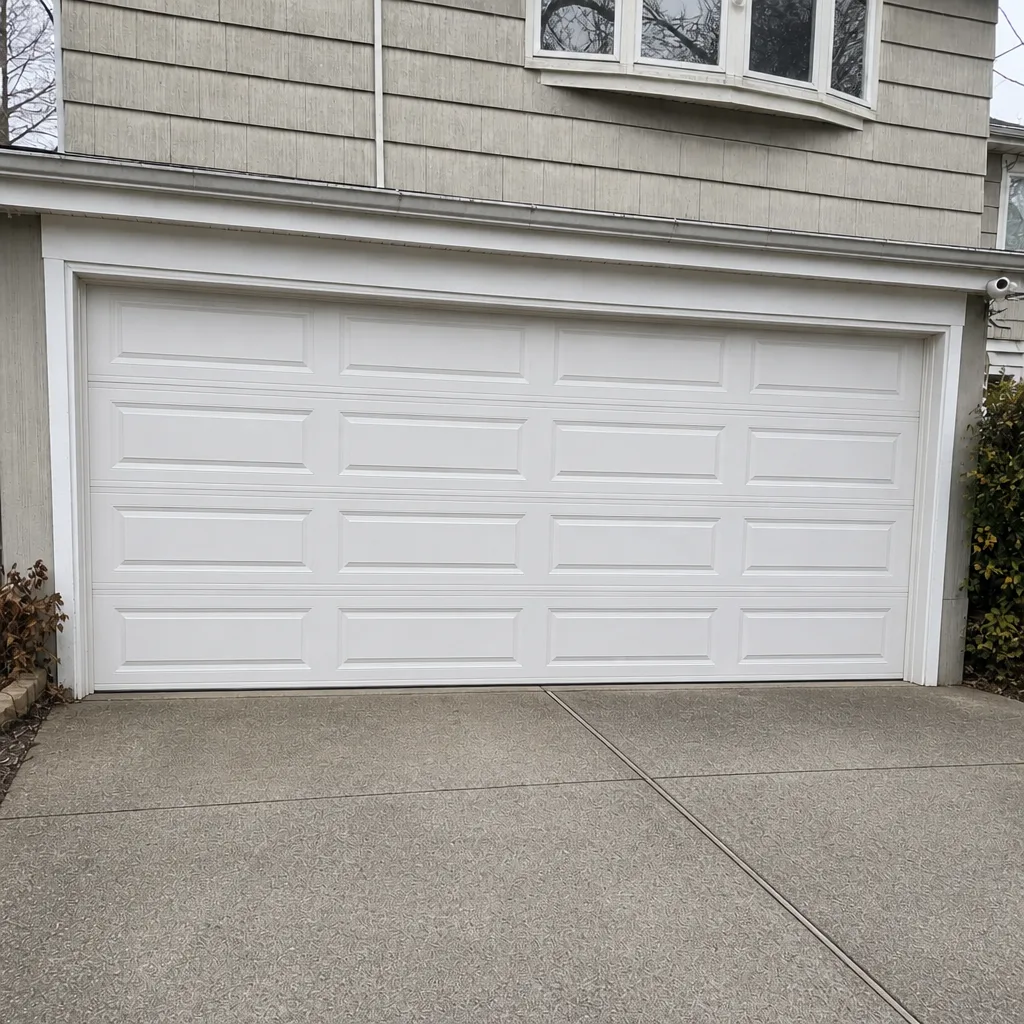
See the difference
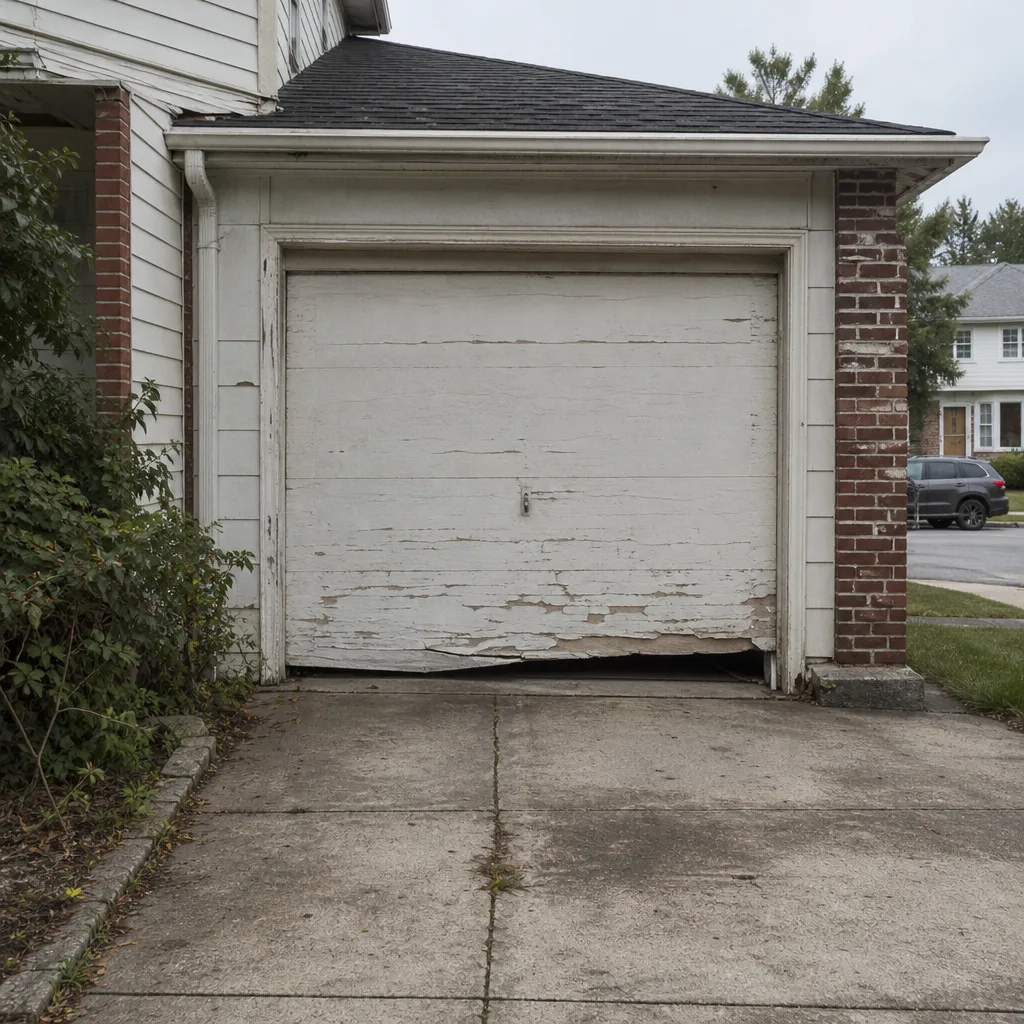 Before
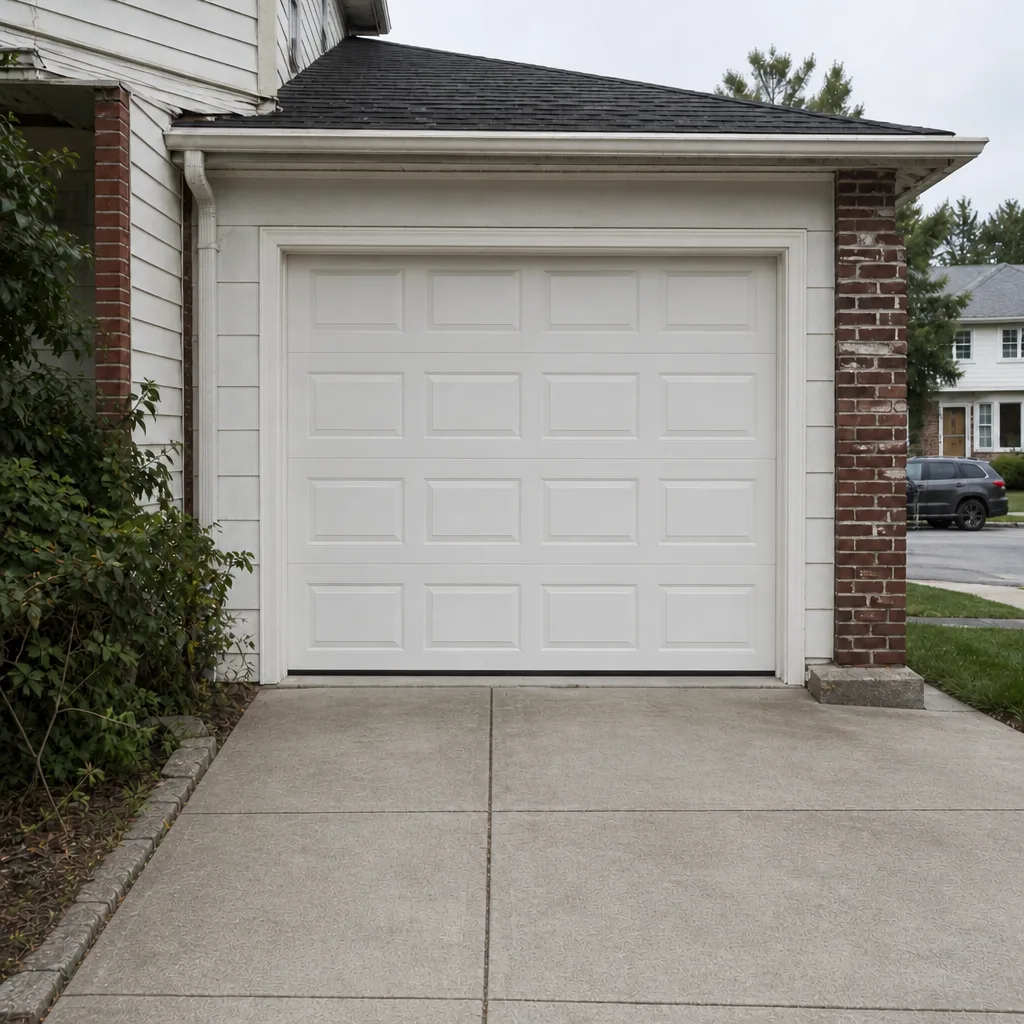 After
 Before
 After
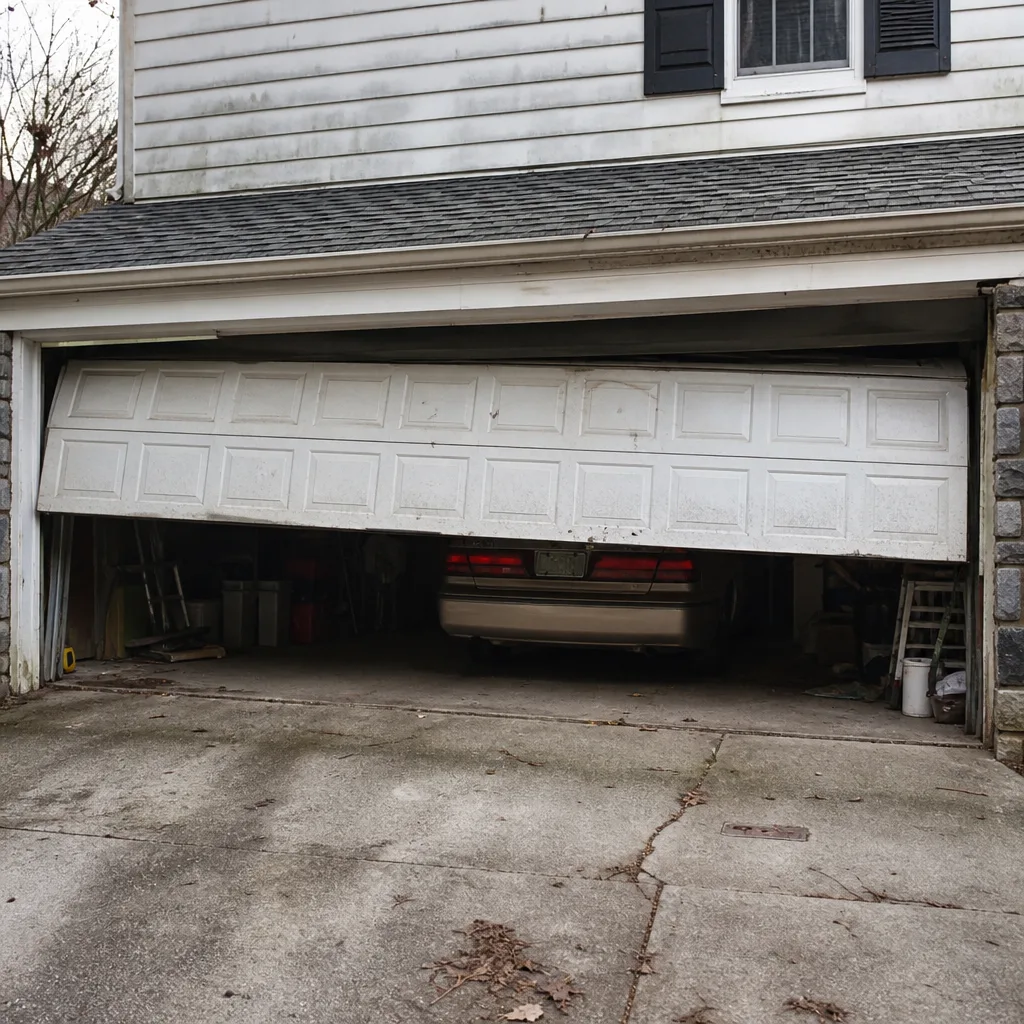 Before
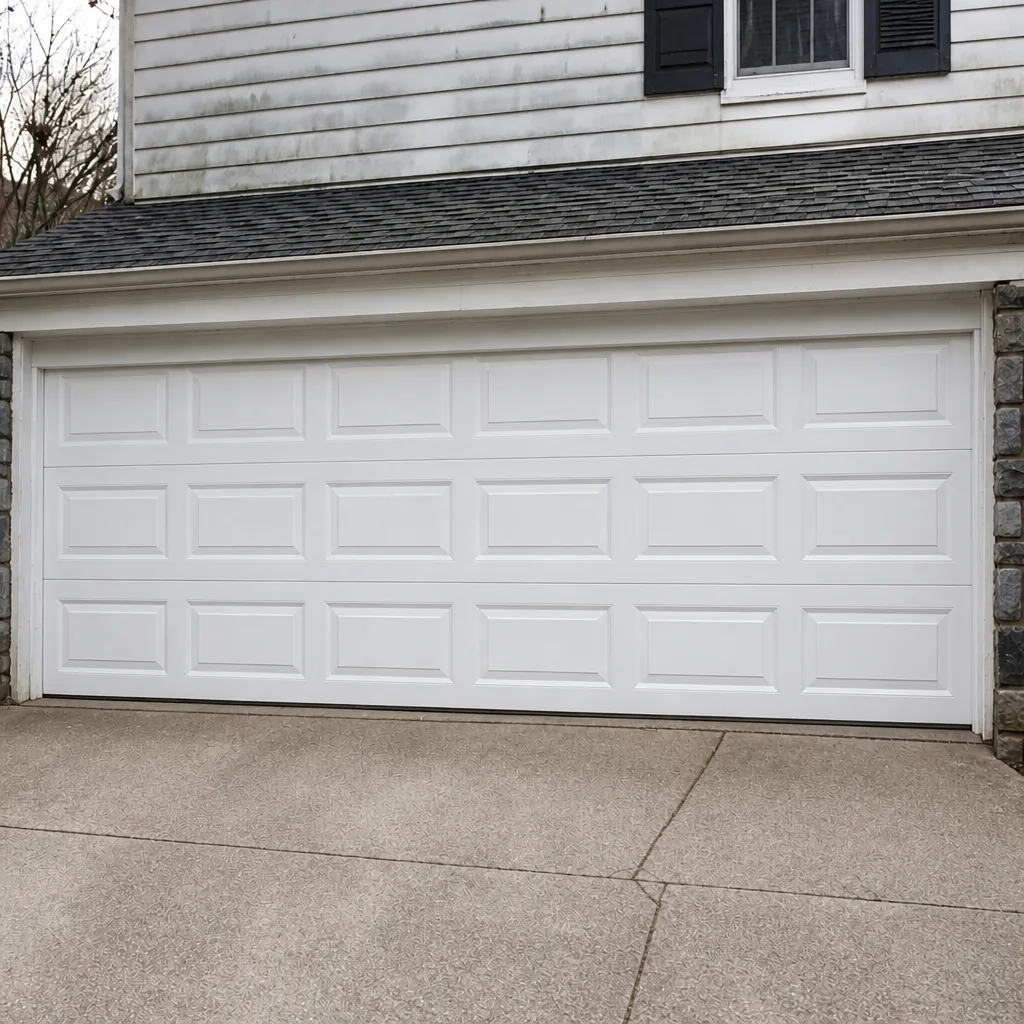 After
When to Call a Professional
Some garage door problems are genuinely urgent and some really can wait. Call a professional immediately if a spring has snapped, a cable is loose or hanging, the door is visibly off its tracks, or the door has come down unevenly and won’t close. These are all cases where the counterbalance system has failed, and forcing the door or running the opener can turn a repair into a replacement. Also call if the opener is making grinding noises, reversing unexpectedly, or won’t respond to the remote after a battery change.
Call when you’re moving into a new place and don’t know the service history, or when your building’s garage door has had a recent close call. Garage Door Repair Upper East Side offers free estimates in Upper East Side. Call (877) 492-1824. We answer 24/7, with fast dispatch from 7am to 7pm, Sunday through Friday.
Frequently Asked Questions
Replacing one torsion spring typically costs $180 – $340 in Upper East Side. Most two-spring doors get both springs replaced together, which costs roughly twice the single-spring price. The written estimate sets the final price. Call (877) 492-1824 for an exact quote; estimates are free.
Ask them to describe the spring setup on your specific door model, or what they’d check first on a LiftMaster or Chamberlain opener that’s losing connectivity. A specialist answers without hesitation. A generalist asks you to bring the manual. Our technicians work on the major residential brands, including LiftMaster, Chamberlain, Genie, Clopay, Amarr, Wayne Dalton, Craftsman, and Raynor. Call (877) 492-1824 to talk through your door.
New York City requires home improvement contractors to hold a Home Improvement Contractor license through the Department of Consumer and Worker Protection. This is a city-level license, not the county-level licensing you find in Nassau or Westchester. Ask for the license number and check it against the city’s public lookup. Confirm insurance separately. Call (877) 492-1824 if you have questions about credentials before booking.
Often, yes, for common failures like a broken spring, a snapped cable, or an opener problem, especially when the technician carries the right parts. We answer 24/7, with fast dispatch from 7am to 7pm, Sunday through Friday. A call outside those hours gets booked into the next opening. Call (877) 492-1824 to talk through your door.
No, not without your agreement. The written estimate sets the price before any work starts. If the technician finds something additional that changes the scope, that revision comes to you before work continues, not as a surprise on the invoice. Call (877) 492-1824 for a free estimate.
Ask directly, and ask what the door’s spring configuration is. On most residential doors, springs are replaced as a pair because the second spring is at the same point in its cycle. A quote that seems too low is often priced for a single spring only. Call (877) 492-1824 and we’ll clarify before you commit.
Yes. We handle full installation as well as repair, so you’re not handed off to a different company when your door reaches the point where replacement makes more sense than another repair. Take a look at our garage door repair Upper East Side overview if you’re starting from the beginning and want the full picture.
The Bottom Line
The contract questions that matter aren’t the ones most people ask. It’s not whether a contractor is licensed, though they should be. It’s whether the person arriving can finish the job that day. Brand familiarity, parts on the vehicle, and a written scope with a clear price are the three things that predict a smooth repair. In Upper East Side, add a fourth: understanding of building logistics, because a co-op board’s requirements can turn a simple job into a rescheduled one. Get those four things right and the job happens once. Call (877) 492-1824 for a free estimate and we’ll tell you straight what your door needs.
Written by the team at Garage Door Repair Upper East Side.