
Last updated November 21, 2026
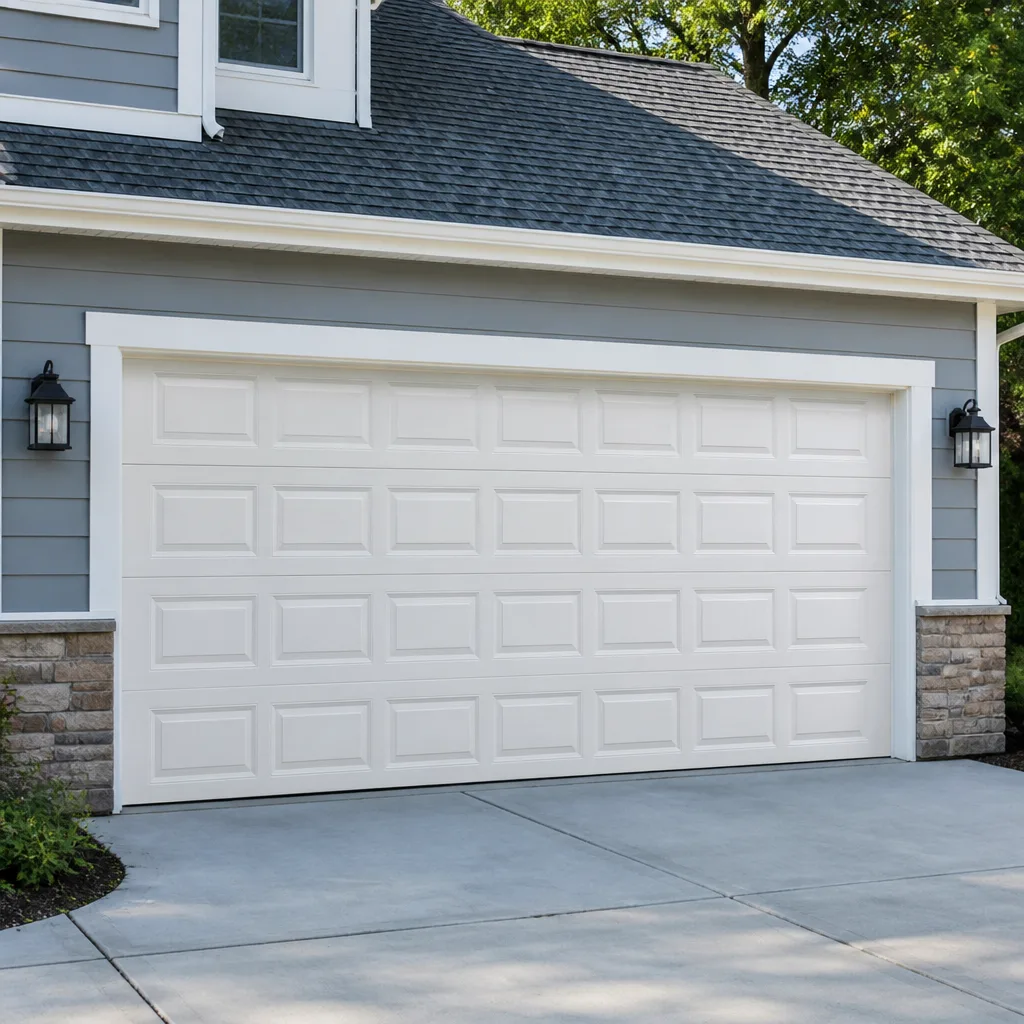 Raised-panel steel
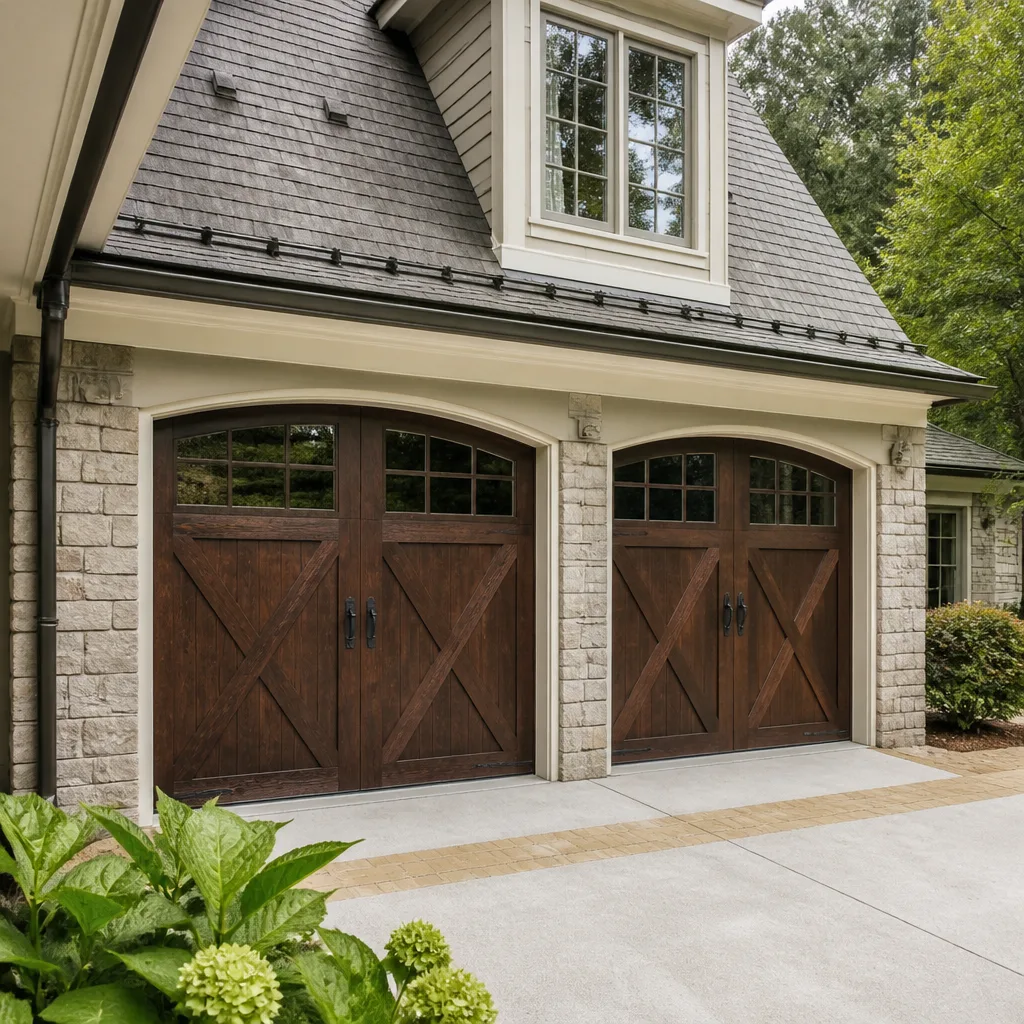 Carriage house
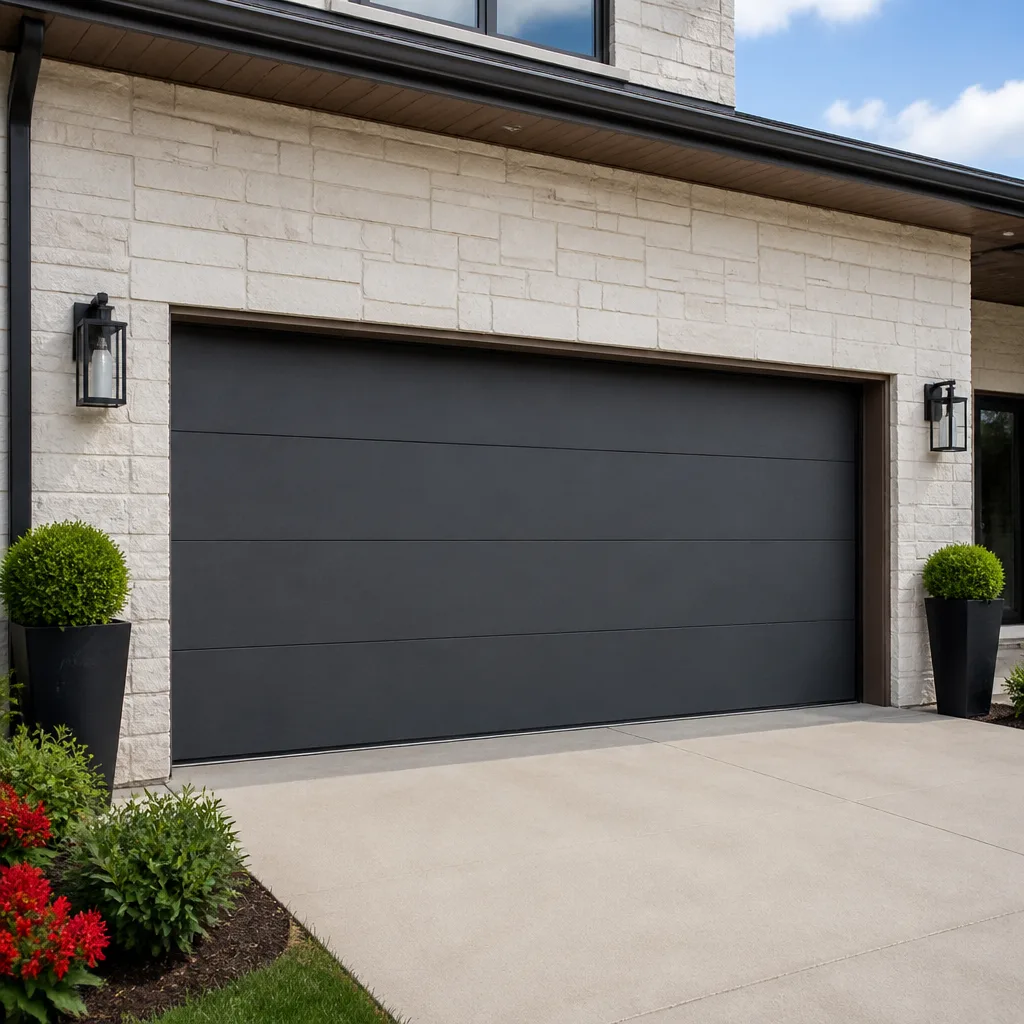 Modern flush
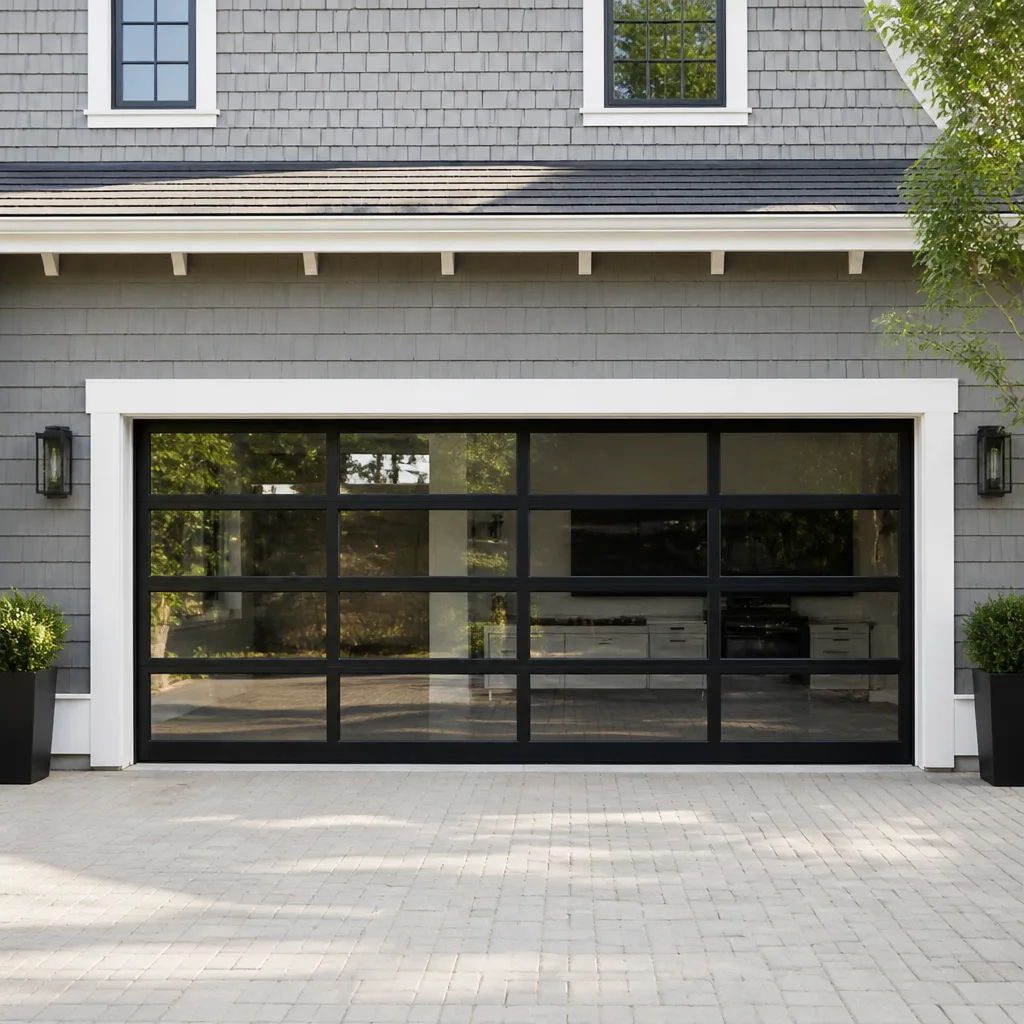 Full-view glass
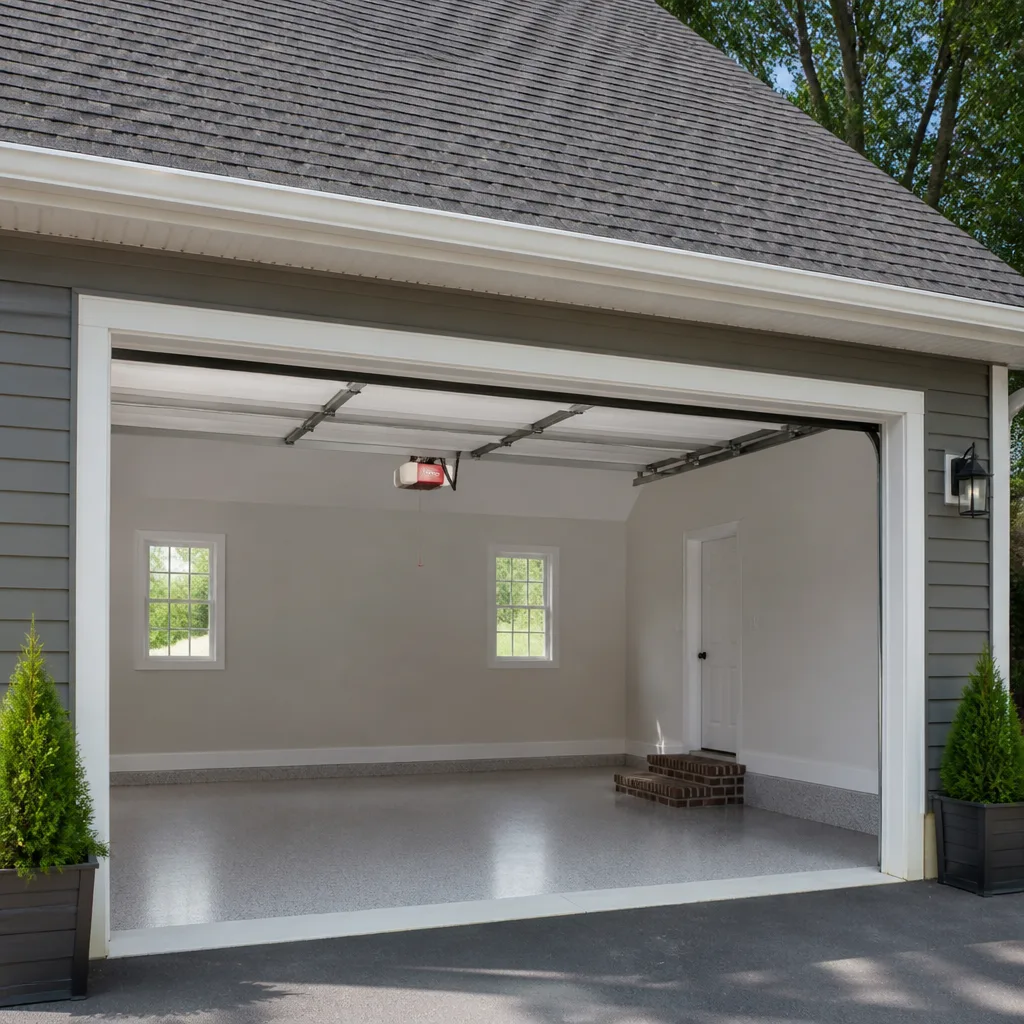 LiftMaster openers
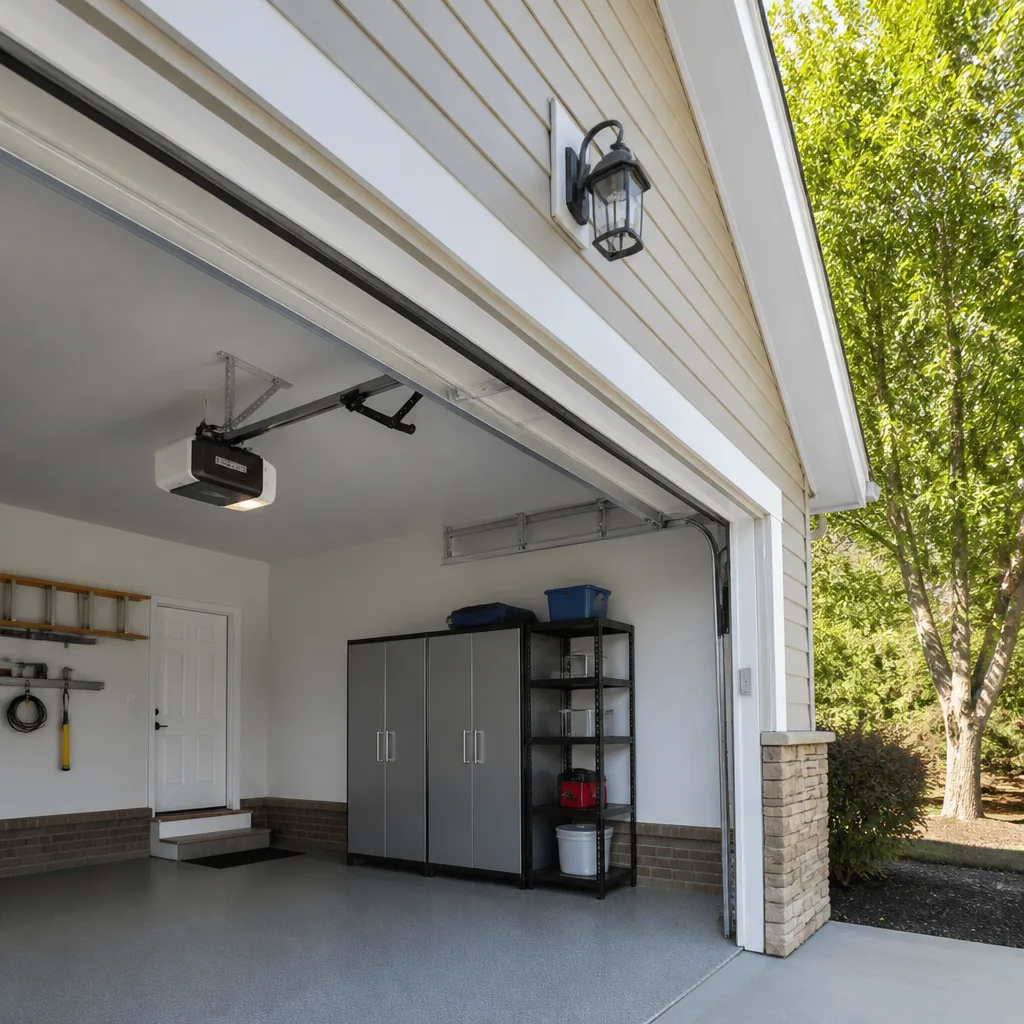 Chamberlain openers
Full 25-point door and opener safety check with every visit - springs, cables, rollers, tracks, and your LiftMaster or Chamberlain opener included
You get a price before we start. It does not change when the pro arrives.
Get your free estimateGarage Door Emergency Preparedness Guide for Upper East Side Homes
If your garage door fails shut at 6:45 AM with your car inside, the clock that matters isn’t the repair estimate. It’s the roughly 15 minutes before missing your subway or cab window actually costs you something. Most homeowners on the Upper East Side have never once practiced the manual release on their opener, and plenty don’t know where the cord is. A garage door emergency in Manhattan is a different animal than it is in the suburbs: there’s no second driveway, no street parking within a quarter mile midday, and a door stuck open on a ground floor is exposed to every person who walks past. This guide walks through what to prepare, what to do when the door fails, and how to judge whether the company you’re calling actually has people nearby. You’ll learn the manual release procedure, how to tell a security failure from a convenience failure, and what to have ready before you dial.
Quick Answer
A garage door emergency on the Upper East Side is any failure where the door leaves your car trapped with no realistic alternative, or leaves the building open to the street. A door stuck open requires faster response than a door stuck closed. Prepare one thing in advance: know your manual release, and keep the door brand and opener model written on a label inside the garage.
Styles & brands we work with
- Raised-panel steel
- Carriage house
- Modern flush
- Full-view glass
- LiftMaster openers
- Chamberlain openers
Table of Contents
- Why an Upper East Side Garage Door Emergency Is Different
- How to Use the Manual Release Safely
- Security Emergency vs. Convenience Failure
- How to Tell If a Provider Actually Dispatches Locally
- What to Have Ready Before You Call
- Interim Security for a Door Stuck Open
- Preventive Checks That Prevent Most Emergencies
- Springs, Cables, and the Parts You Must Not Touch
Why an Upper East Side Garage Door Emergency Is Different
In a suburb, a dead garage door is an inconvenience. On the Upper East Side, it’s a logistics problem with a security layer on top. The housing stock here does a lot of the work: townhouses with private carriage-house garages, prewar co-op buildings with small underground or ground-level parking, and a handful of private garages tucked behind limestone facades. Each layout changes what “emergency” means.
The common thread is that alternative parking doesn’t exist. A driveway in Westchester can wait two days for a service call. A townhouse garage between Park and Lexington holding the only car has to be resolved before the next school run or client meeting. That’s why a repair topic like garage door repair Upper East Side carries more urgency here than its suburban equivalent.
Three factors sharpen the problem:
- Foot traffic. Upper East Side sidewalks are busy nearly every hour. A garage door stuck open exposes whatever is inside to constant passersby, and a stuck-open door on a ground floor is visible from the street.
- Vertical space and ceiling height. Many prewar garages have low ceilings, which limits the clearance for certain high-lift opener configurations. This matters during repair, and it matters when we quote a replacement.
- Winter temperature swings. New York winters alternate between mild stretches and hard freezes. Metal tracks contract, grease stiffens, and a door that operated fine in November can bind in January. Most springs and openers don’t fail in the summer; they fail in the first cold snap.
None of that is a reason to panic. It’s a reason to prepare. The rest of this guide is the preparation.
How to Use the Manual Release Safely
Every residential opener has a manual release. On a chain- or belt-drive LiftMaster or Chamberlain unit (the most common on the Upper East Side), it’s a red cord with a T-handle hanging from the trolley carriage. Pulling it disengages the door from the opener so you can lift the door by hand. The procedure is fast once you’ve done it once. The failure mode is doing it for the first time under time pressure.
Here’s how to practice it safely, before you need it:
- Close the door completely first. Never pull the release with the door open or partway up. The door’s weight is carried by the opener’s trolley only when the door is down. Pulling it mid-travel can drop the door.
- Locate the red cord. It hangs from the trolley near the opener motor. If your opener is a Craftsman or Raynor and you’re not sure where the trolley sits, look for the belt or chain running to the door.
- Pull straight down. A firm downward tug on the handle disengages the carriage. Don’t yank the cord sideways, which can bend the trolley arm.
- Lift the door by hand slowly. Many garage doors on the Upper East Side are 8 to 9 feet wide and weigh 130 to 250 pounds. If you can’t lift it easily with one hand while standing at the center, don’t force it. That’s a spring problem, not a release problem.
- Prop or secure. If you get the door up, don’t leave it up unattended. Hand-lift doors have no opener holding them; the spring alone carries them. Lower it before you walk away.
What not to touch: the torsion spring on the shaft above the door, the torsion cable, and the bottom bracket. Those parts hold enormous stored tension and cause serious injury when handled wrong. We work with springs every week, and they are the reason our garage door repair service treats spring work as a separate specialty. Don’t try to adjust or loosen them yourself.
Security Emergency vs. Convenience Failure
Not every failed door is urgent. Sorting your situation into one of two buckets decides how quickly you should act, and how you should describe the problem when you call.
Convenience failure: the door is down and locked, the car is inside, and you have alternatives. You can take a cab, work from home, or leave the car for the day. This is a same-day repair, not a crisis.
Security emergency: the door is up, partway up, or the lock is no longer securing it, and the interior is exposed. This includes a door that closes on the remote but reopens (a safety sensor or limit switch issue), a door that opens itself, and a door stuck open after a power failure that left the opener disengaged.
The reason a door stuck open is faster than a door stuck closed on the Upper East Side is simple: on a busy block, an open garage door exposes whatever is inside to everyone who walks past, from a bike rack to a locked door into the building. If your door is up and you can’t lower it, treat it as a priority call, not a next-day call.
A note on the middle case: a door that’s closed but no longer locks properly is still a security problem, even though it looks fine from the street. If the deadbolt or slide lock no longer holds, call it in as a security issue.
How to Tell If a Provider Actually Dispatches Locally
This is where most Upper East Side homeowners get burned. A lot of garage door companies that advertise emergency service are call centers. They answer, take your details, then route you to whatever subcontractor is available. The technician who shows up may not know your opener, may not carry the right spring for your door, and may charge a diagnostic fee before telling you anything.
You can tell the difference with a short phone call. Ask these questions before you commit:
- “Who is coming, and are they a garage door technician?” A garage door specialist will tell you clearly that they do garage door work only. A general handyman company will give you a vague answer.
- “Do you work on my brand?” If the door is a Clopay or Amarr, or the opener is a Chamberlain, a specialist will know the model line and the parts path. A call center will say “sure, we handle everything.”
- “What’s the estimate process?” A written estimate before work starts, at no charge, is the standard for a professional shop. If you’re told there’s a fee just to look at the door, that’s a red flag.
- “What are your actual dispatch hours?” Our answer is: We answer 24/7. Fast dispatch from 7am to 7pm, Sunday through Friday. A company that can’t state its hours clearly is probably routing to someone else.
- “Is the door brand and model in the estimate?” A specialist will quote the correct spring for your door. A generalist will quote a price and figure it out in the driveway.
We are a single-trade company: garage doors are all we do. The technicians we connect you with have up to 9 years of experience on LiftMaster, Chamberlain, Genie, Clopay, Amarr, Wayne Dalton, Craftsman, and Raynor systems. That focus is why our garage door opener repair work handles smart Wi-Fi openers as easily as legacy hardware.
What to Have Ready Before You Call
The single best thing you can do for a faster repair is to hand the dispatcher accurate information in the first thirty seconds. Here’s what to have on hand. Write it down and tape it inside the garage, or save it in a note on your phone. It costs nothing to prepare and saves a lot during a call.
- The door brand. Look at the inside of the door panels. Clopay, Amarr, Wayne Dalton, and Raynor stamps are common on the Upper East Side.
- The opener brand and model. Look at the motor housing. LiftMaster and Chamberlain are the most common; Genie is also frequent. The model number is on a sticker on the back or bottom of the housing.
- What triggered the failure. Did the door stop mid-cycle, refuse to move at all, or start and reverse? Each points to a different subsystem.
- What you’ve already tried. Did you cycle the wall button? Check the safety sensor LED? Pull the manual release? Tell the dispatcher exactly what happened.
- Whether the door is up or down. This decides whether the call is a security priority or a same-day repair.
- Whether you have a second car or a logistics alternative. If you don’t, say so. It changes scheduling.
If you can answer those six questions, the dispatcher can usually estimate a repair window and tell you whether a part is likely needed. Do not tell the dispatcher a price you’ve seen online; the written estimate is the number that matters.
Interim Security for a Door Stuck Open
If your door is open and you’re waiting for a technician, the interim goal is to make the opening safe. On an Upper East Side townhouse or private garage, options vary by layout. None of them are a substitute for a repair, but each buys time.
- Lower the door manually if the springs allow. If you can pull the manual release (door down first, always) and lower the door by hand, do it. Even a door that won’t latch is safer down than up.
- Barricade the opening. A car parked across the opening, a heavy gate, or furniture blocks the visual access and makes entry slower. If the garage door opens onto a courtyard or alley, block the visible side.
- Secure the interior door. The door from the garage into the building should be locked regardless. If the garage has a pedestrian door, lock it and check the hinges.
- Use a temporary slide lock or c-clamp on the track. For a door stuck halfway up, a clamp on the track above the door rollers prevents the door from dropping further. Don’t clamp a door that’s fully down; it does nothing.
- Light the area. If the opening is visible from the street, exterior lighting and motion sensors discourage anyone from wandering in.
What you should not do is try to prop the door up with a ladder or board and leave it. A torsion-spring door carries stored energy; if a prop fails, the door drops with force. Keep people out of the door’s path until the technician arrives.
Preventive Checks That Prevent Most Emergencies
Most emergency calls we see on the Upper East Side trace back to something that was visible two weeks earlier. A monthly check takes ten minutes and heads off the majority of surprise failures.
- Balance test. With the door closed, pull the manual release, then lift the door halfway and let go. A properly balanced door stays where you put it. A door that falls is a spring problem building.
- Safety sensor test. Wave an object in front of the photo-eye sensors while the door is closing. If it doesn’t reverse, the sensor or wiring needs attention. This is a security and safety issue, not just an annoyance.
- Listen to the opener. A grinding, squealing, or rattling opener means something is wearing. A LiftMaster belt-drive should be near-silent; a chain-drive will click but shouldn’t screech.
- Check the tracks. Look for dents, rust, or misalignment at the bends. On Upper East Side buildings with tight headers, a slightly bent track binds more than it would on a wide suburban opening.
- Lubricate springs and hinges. A light coat of garage-door lubricant on the torsion spring, hinges, and rollers cuts wear. Don’t use WD-40 on the springs; it attracts grit.
- Look at the cables. Frayed or kinked cables are a stop sign. If a cable is visibly damaged, stop operating the door and call for repair.
If any of those checks fails and the door is in daily use, that’s a call to schedule a repair before the door quits. Scheduling garage door installation isn’t the answer for a worn spring; a proper repair is. A replacement only makes sense when the panels, tracks, and hardware are all past their service life together.
Springs, Cables, and the Parts You Must Not Touch
The torsion spring above a garage door holds hundreds of pounds of force even when the door is down. Cables on the side are equally dangerous. A spring or cable under load can cause serious injury, and there’s no safe way to test or adjust a spring without the right winding bars and training. This is the single area where an experienced DIYer should still stop. Our technicians work with springs every day, and even they don’t adjust a torsion spring by hand; they use the correct tools and follow a set procedure.
What you can do safely:
- Look at the spring. A gap in the coil, or a spring that’s visibly separated in the middle, is broken. A broken spring is why the door won’t open manually.
- Listen at the wrong moments. A sharp bang from the garage, followed by a door that won’t open, is usually a spring failure.
- Don’t touch the winding cone. The cone at the end of the torsion spring is set under tension. Adjusting it wrong is the most common injury in this trade.
If the spring is broken, the door is effectively inoperable. Spring repair is a named specialty on our side, and it’s a job a garage door technician should handle, not a general handyman. A single spring repair on the Upper East Side typically runs $180 to $340. A matched pair, usually replaced together because the two springs have the same service life, runs roughly double: $360 to $680 for the pair. That’s an estimate; the written price before work starts is the number you pay.
Common Mistakes to Avoid
- Pulling the manual release with the door open. The opener’s trolley is holding the door up mid-travel. Pulling the release then drops it. Always close the door first.
- Trying to lift a door that won’t lift. If you need both hands and a foot, the spring is broken, and lifting against a broken spring risks dropping the door. Stop and call.
- Adjusting the spring yourself. On the Upper East Side, we’ve seen doors with springs re-adjusted by a generalist who didn’t use winding bars. That’s how a repair becomes a rebuild.
- Calling a general handyman for a LiftMaster or Chamberlain opener. The opener is not the problem most homeowners think it is; the alignment, sensor, or limit switch usually is. A garage door specialist diagnoses it faster and won’t replace the motor if only the sensor needs work.
- Assuming a call center is a local company. “Emergency garage door service” on a national aggregator site rarely means a technician in Manhattan. Ask who’s coming and what brand they work on.
- Leaving a stuck-open door overnight without equipment. On a busy block, an open garage is a visible opening. Get a barricade up or get a technician out the same day.
- Refusing a service that has to be scheduled. A new door or a full opener replacement is not a same-day job. That work requires a free measure and a written price, not a rush visit. Emergency service on repair is a real offering; installation is measured, ordered, and scheduled.
See the difference
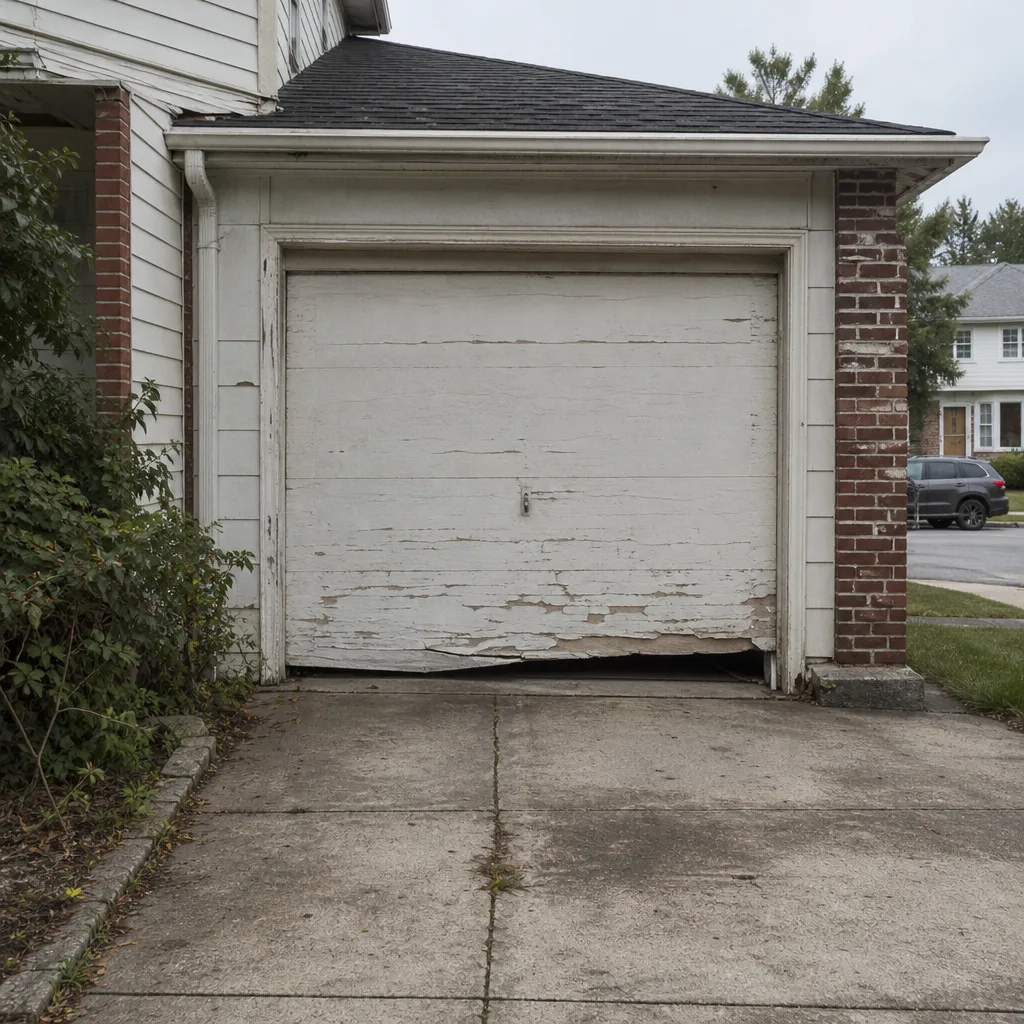 Before
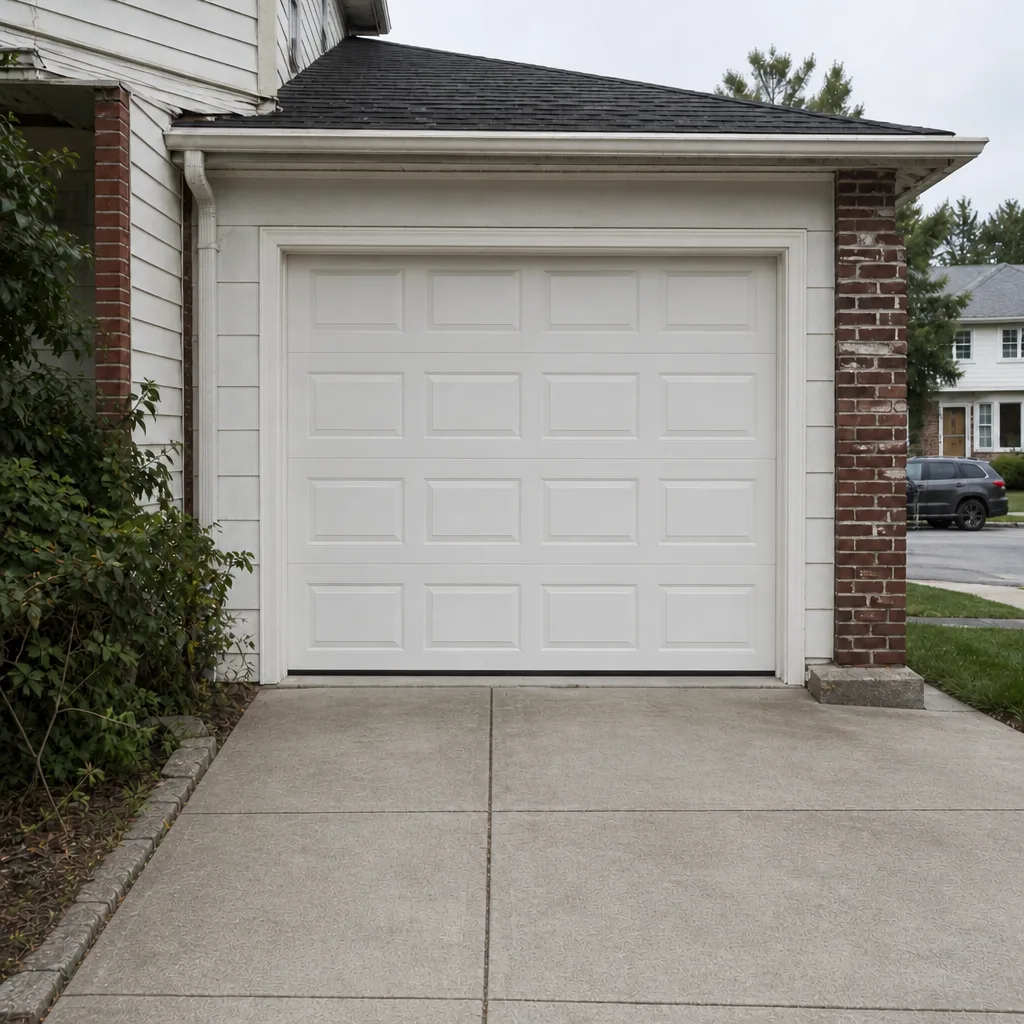 After
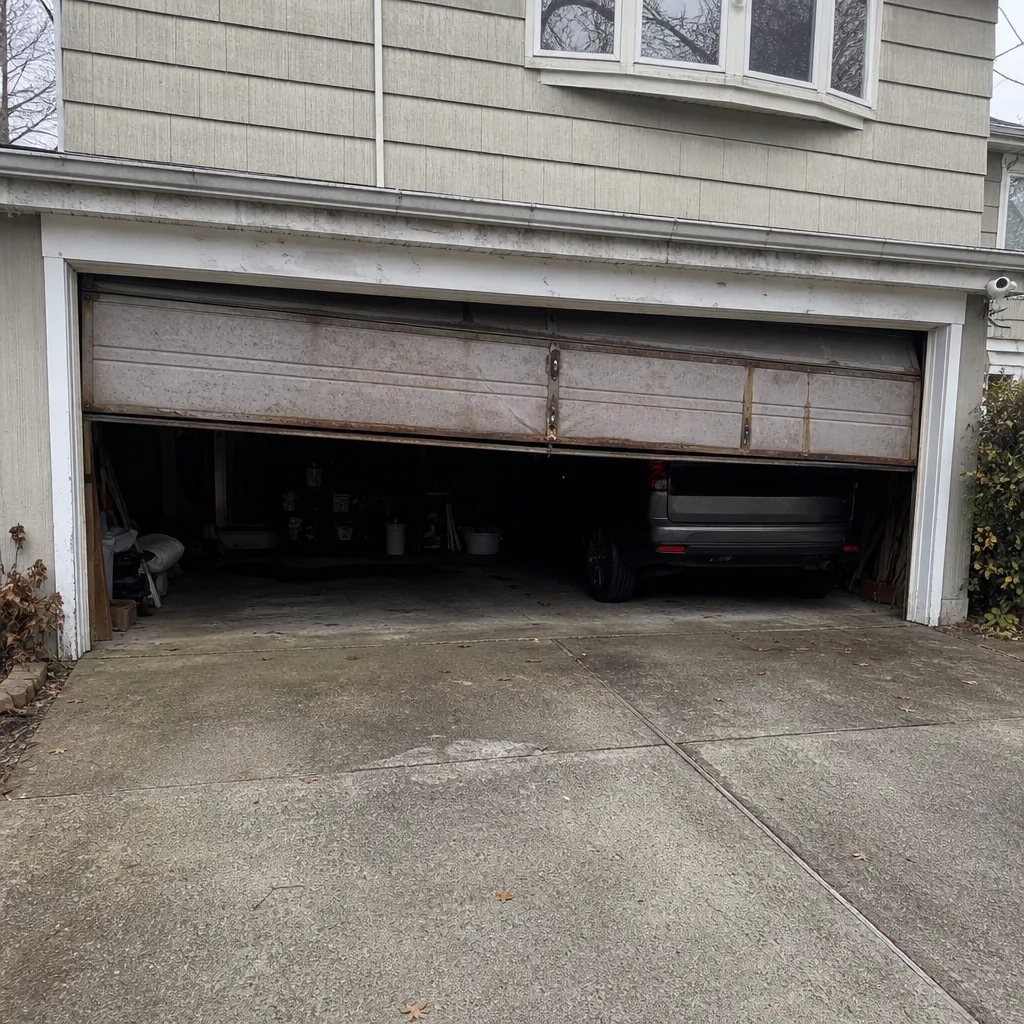 Before
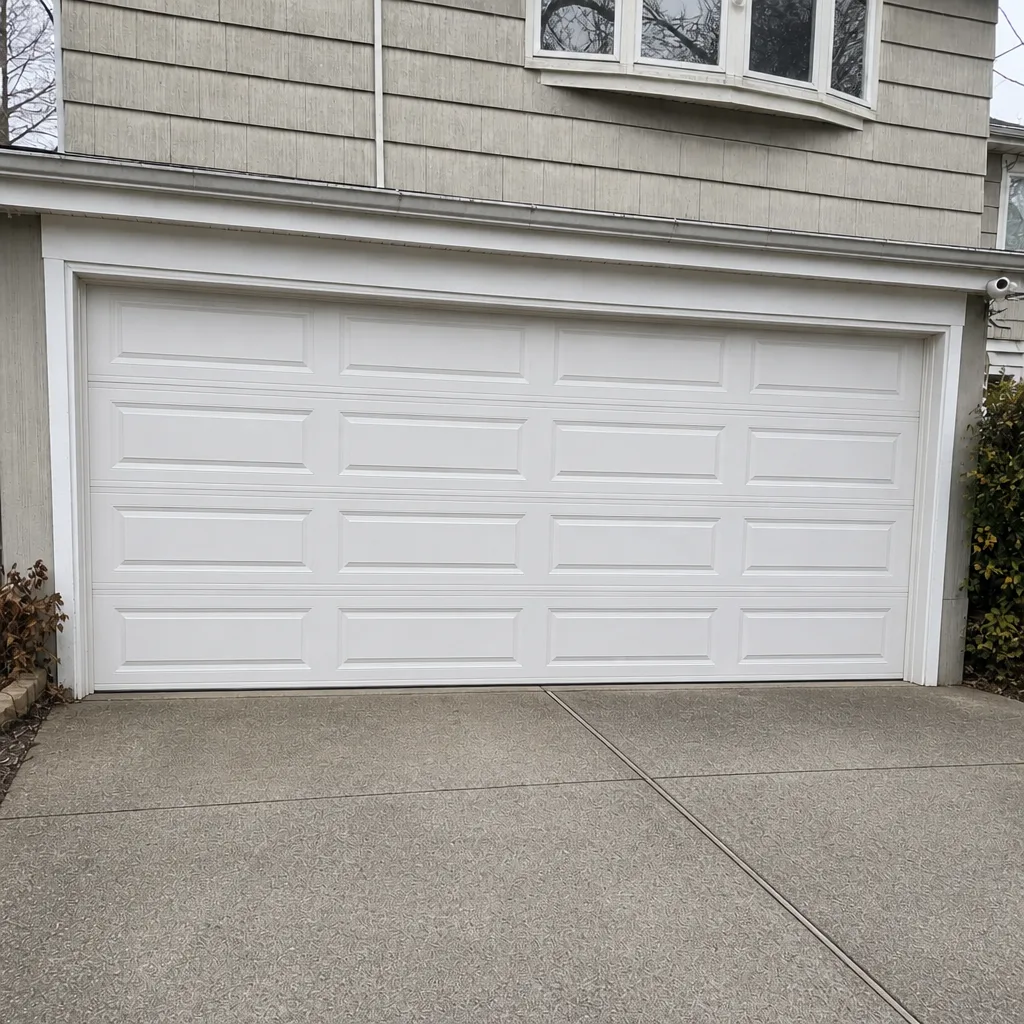 After
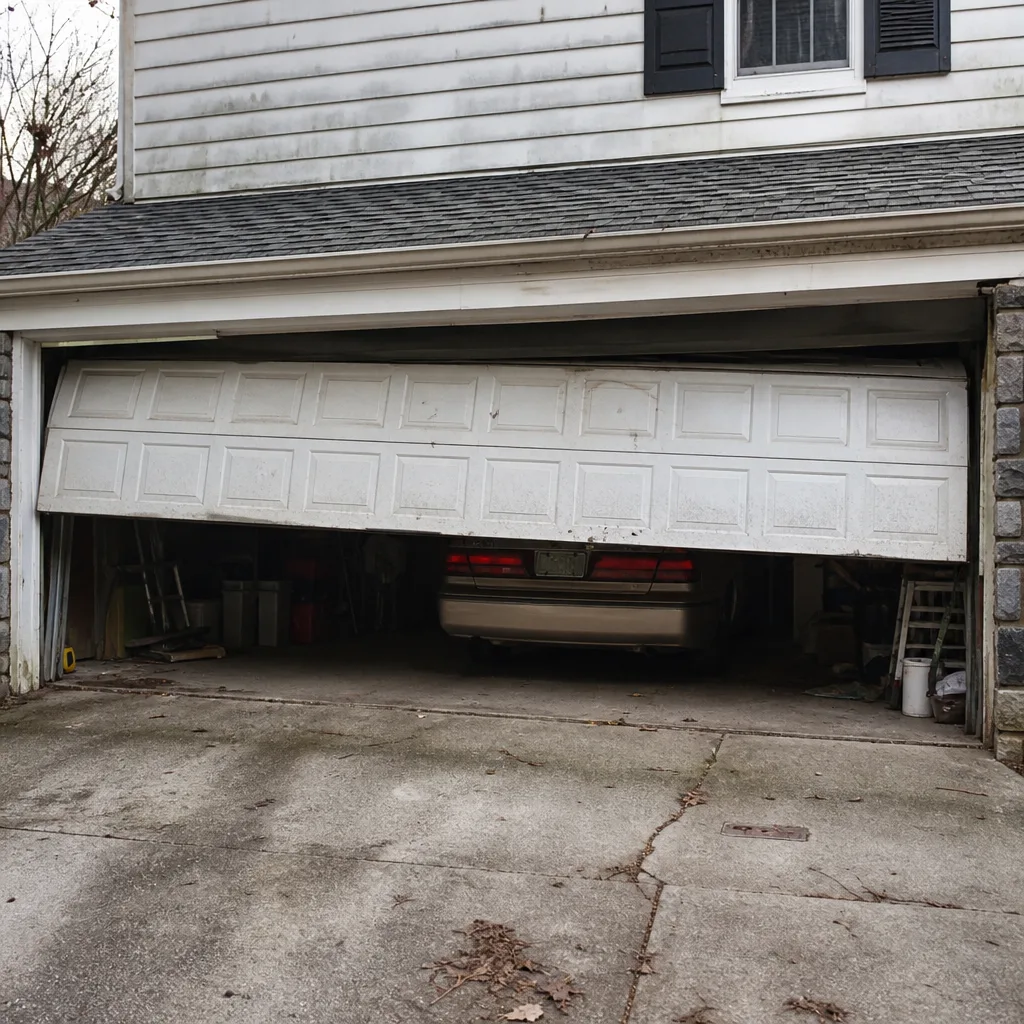 Before
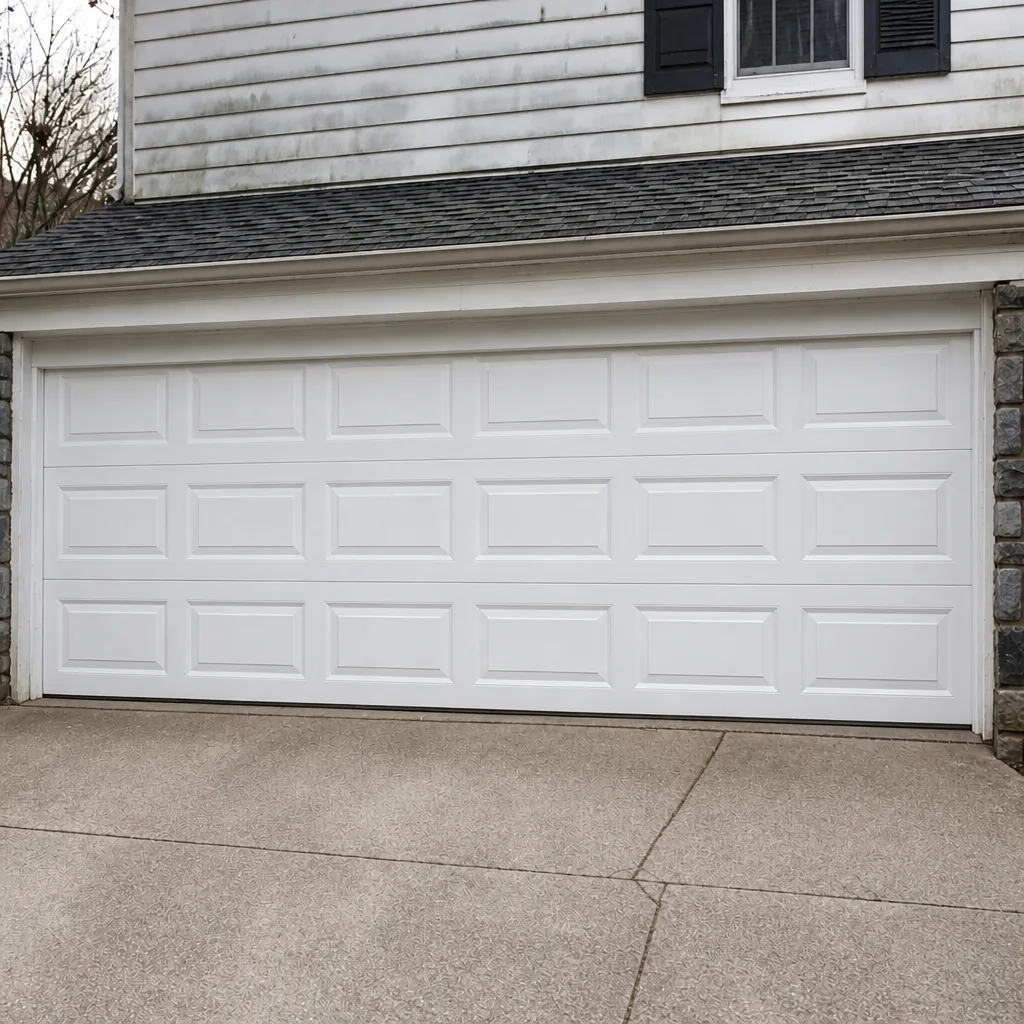 After
When to Call a Professional
Call a professional when the door won’t move at all, when it moves but won’t stay closed, when the spring is visibly broken, when the safety sensors won’t reverse the door, or when a cable is visibly damaged. Call whenever the door is stuck open and visible to the street. Call when the opener cycles but the door doesn’t move, which usually points to a stripped gear or a disengaged trolley. And call if you don’t know what you’re looking at; the cost of a diagnosis is a fraction of what a self-inflicted spring injury or a door drop can cost. Garage Door Repair Upper East Side offers free estimates in Upper East Side. Call (877) 492-1824. We answer 24/7. Fast dispatch from 7am to 7pm, Sunday through Friday. The local pro is licensed and insured as their state requires, and the price is quoted and agreed before any work starts.
Frequently Asked Questions
Most emergency repairs on the Upper East Side fall into a normal repair range, and the written estimate sets the final price. A single spring repair typically runs $180 to $340; a matched pair runs $360 to $680. Opener repairs, sensor replacements, and track adjustments are quoted per job by the written estimate, which we provide free before work starts. Call (877) 492-1824 for an exact quote, estimates are free.
Same-day repair is the norm for most calls, and we dispatch Sunday through Friday, 7am to 7pm. We answer 24/7; a call outside dispatch hours is booked into the next opening, Sunday through Friday, 7am to 7pm. If your door is stuck open, say so on the call. That prioritizes the visit. Call (877) 492-1824 to book.
No. The price in the written estimate is the price for the work described. If the technician finds additional problems that weren’t visible on the call, they will quote those separately and you decide before any work starts. We don’t quote one number and invoice another. Call (877) 492-1824 for a free estimate.
The local pro is licensed and insured as their state requires, and every technician we connect you with works on garage doors as a specialist, not as a general handyman. Our technicians have up to 9 years of experience across LiftMaster, Chamberlain, Genie, Clopay, Amarr, Wayne Dalton, Craftsman, and Raynor. Call (877) 492-1824 with your door and opener brand.
A door stuck open is a security priority; a door stuck closed is a convenience repair, unless you have no alternative transportation. On a dense Upper East Side block, an open garage door is visible to foot traffic and should be resolved the same day. A door stuck closed with a car trapped but a subway option available can usually be scheduled for a normal repair window. Call (877) 492-1824 and describe which situation you have.
Yes. We work on the brand you already have, including LiftMaster, Chamberlain, Genie, Clopay, Amarr, Wayne Dalton, Craftsman, and Raynor. That includes smart Wi-Fi openers as well as older chain-drive systems. Bring the model number from the back of the motor housing to your call, and the dispatcher will match the right technician. Call (877) 492-1824 for a free estimate.
The Bottom Line
The difference between a calm garage door emergency and a bad morning on the Upper East Side comes down to three things: knowing your manual release, knowing which failures are security priorities, and being able to tell a local garage door specialist from a national call center. Close the door before you pull the release. Report a stuck-open door as urgent and a stuck-closed door as routine. Have the door brand and opener model written down before you call. And if a spring is broken, don’t touch it; that’s a job for a trained technician. Prepare now, so the call is short when you need it. From opener connectivity to full door installation, garage doors are all we do.
If your door has failed and you’re not sure what you’re looking at, call us. We’ll tell you what we think is wrong, quote the repair in writing, and only then start work. Call (877) 492-1824 for a free estimate and an exact price before any work begins. We answer 24/7, and we dispatch fast from 7am to 7pm, Sunday through Friday.
Written by the team at Garage Door Repair Upper East Side.