
Last updated November 21, 2026
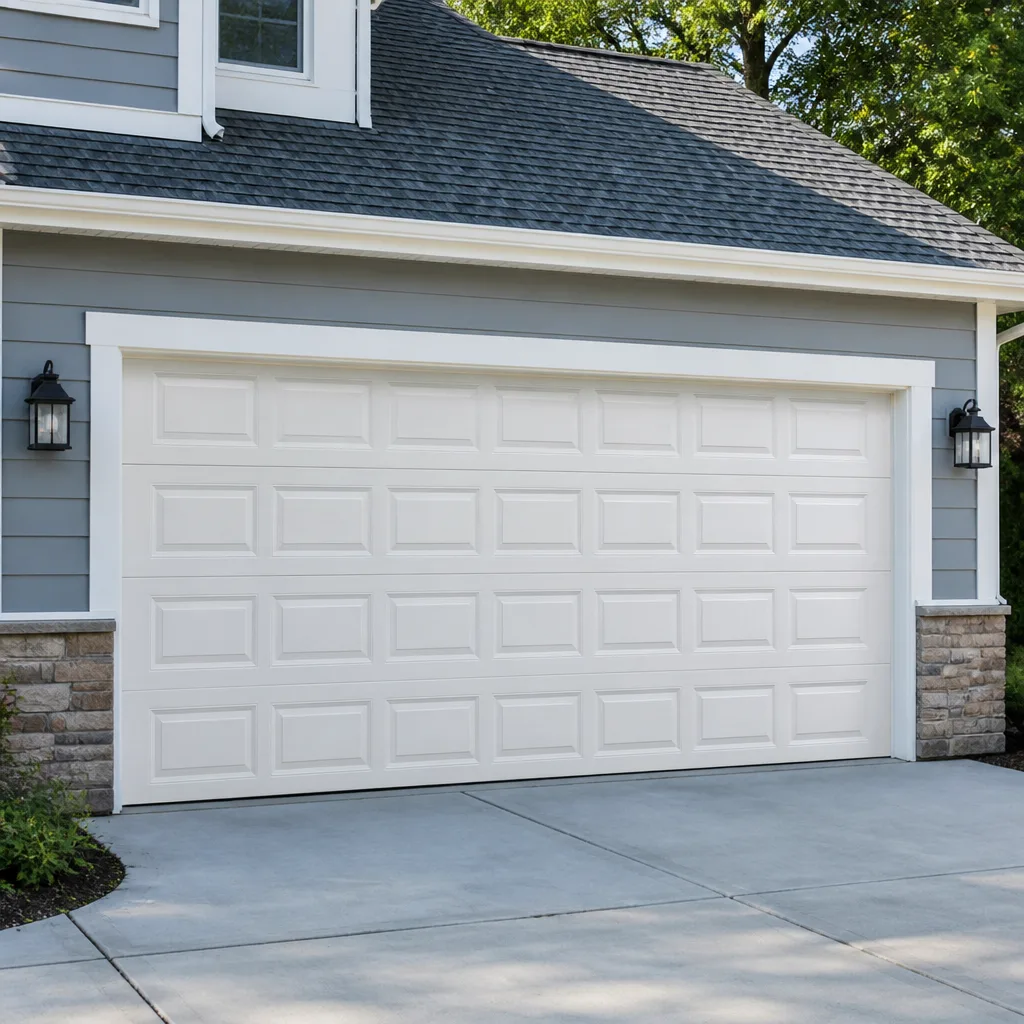 Raised-panel steel
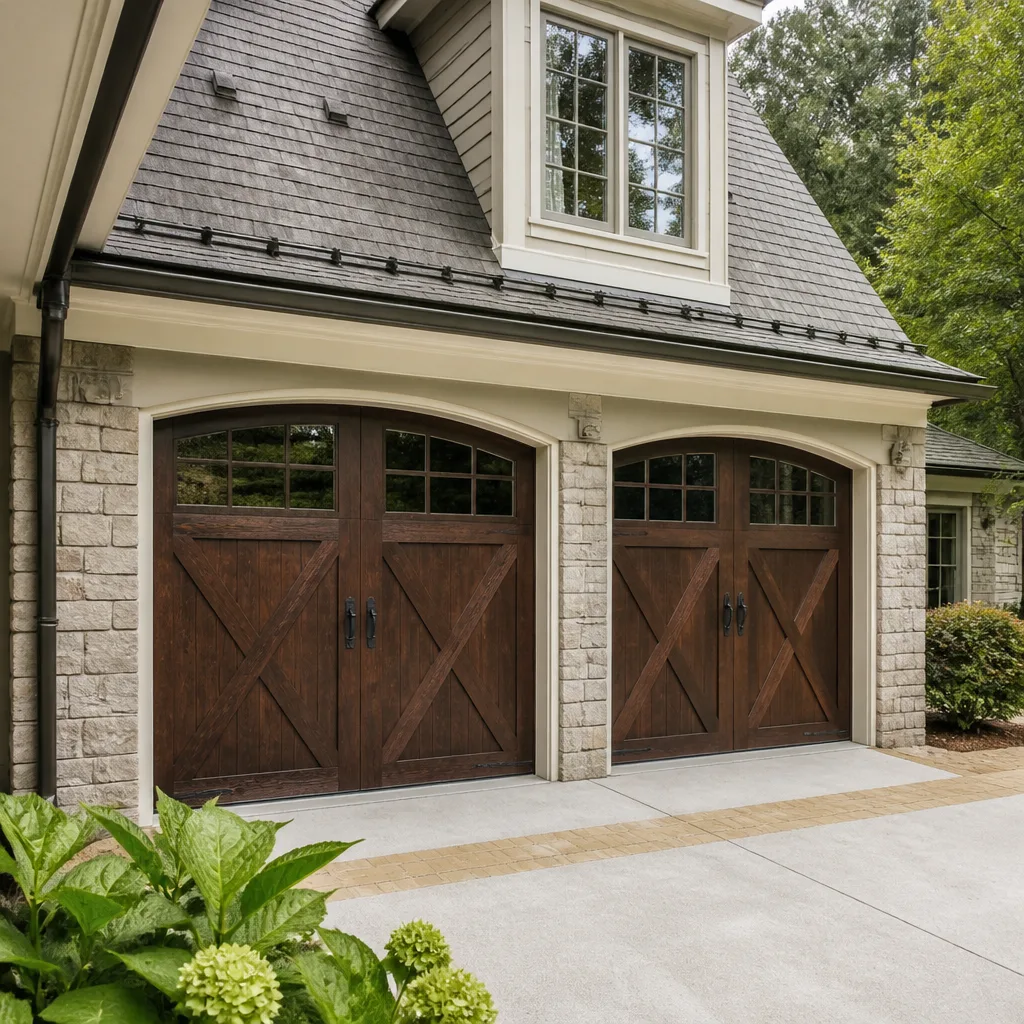 Carriage house
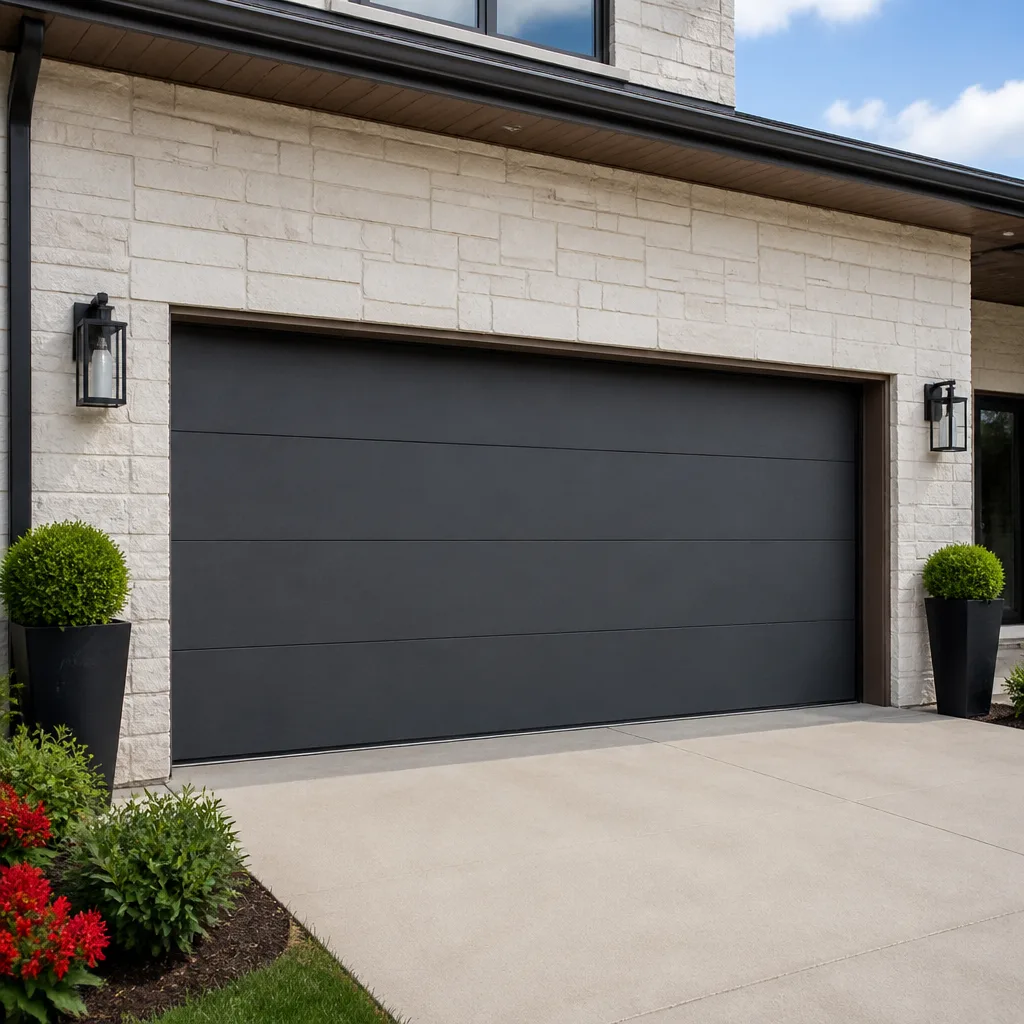 Modern flush
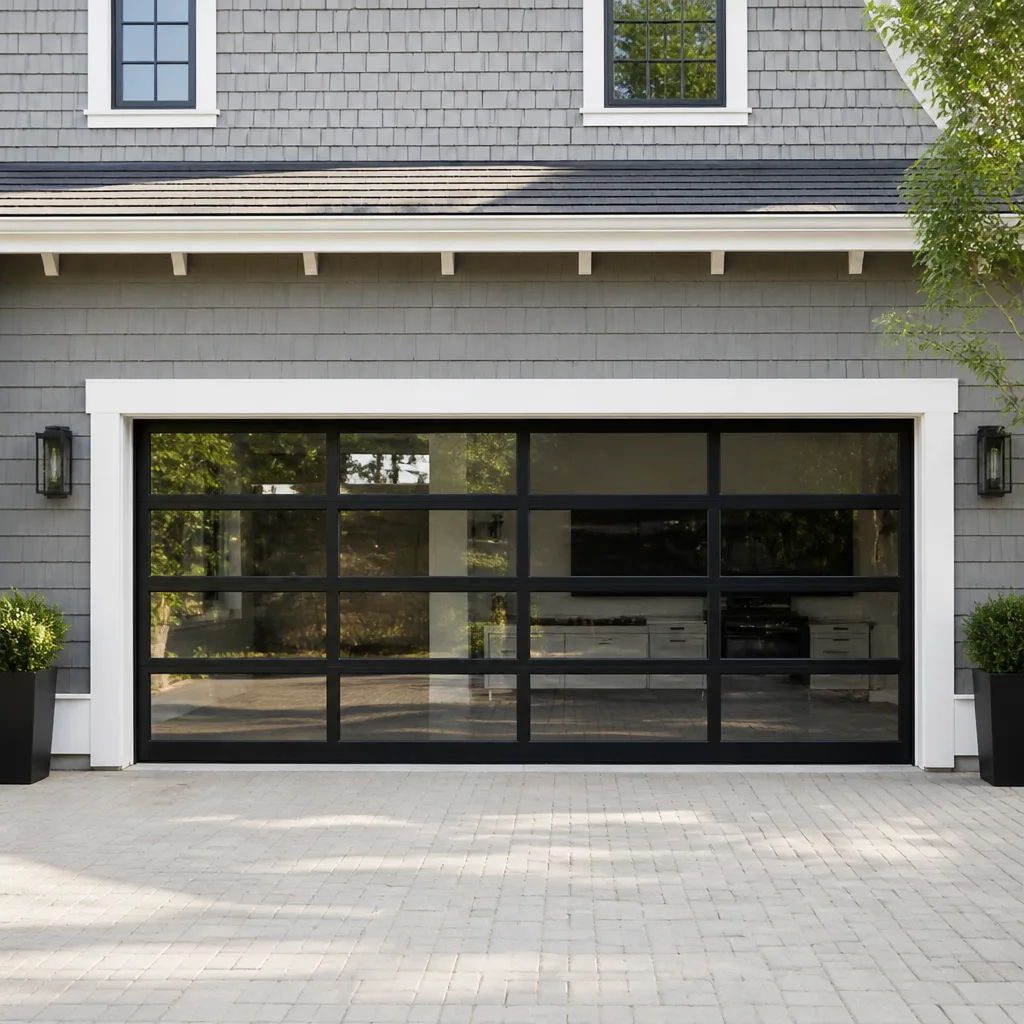 Full-view glass
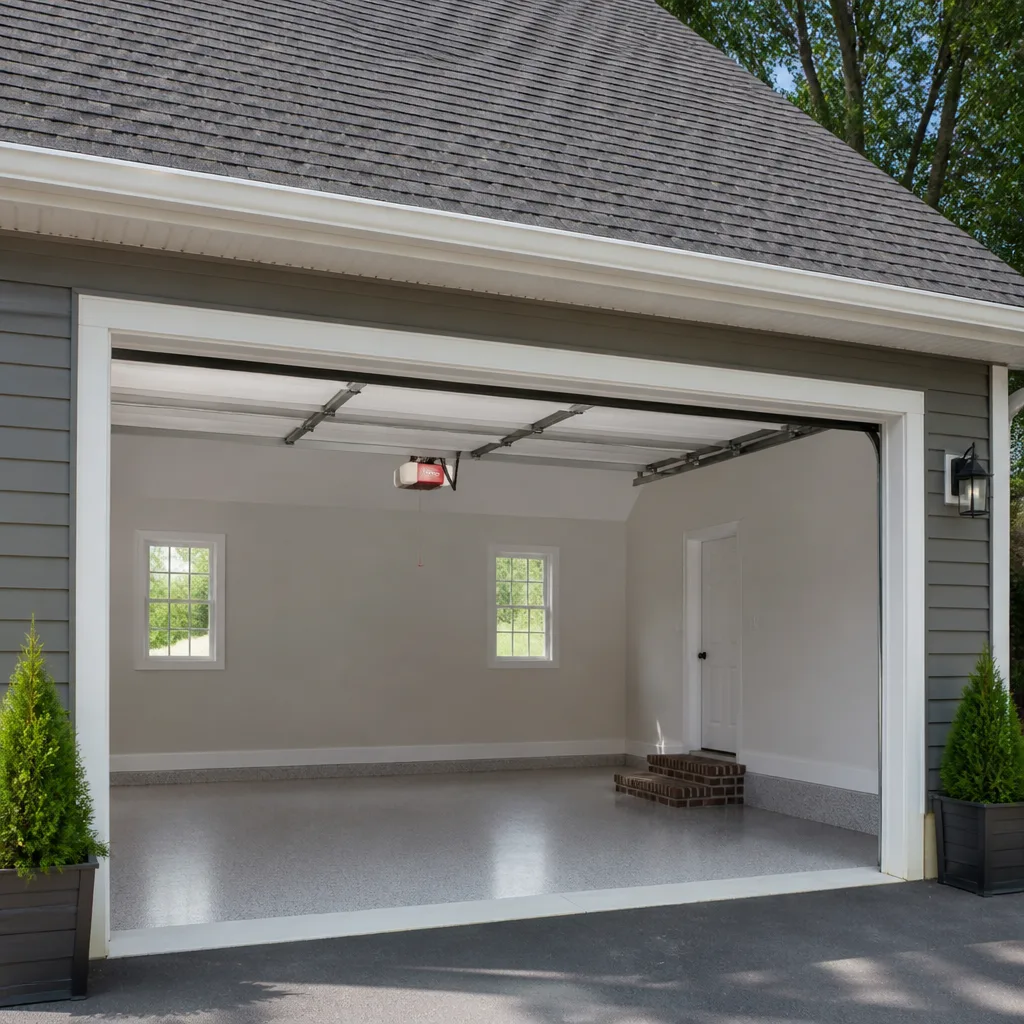 LiftMaster openers
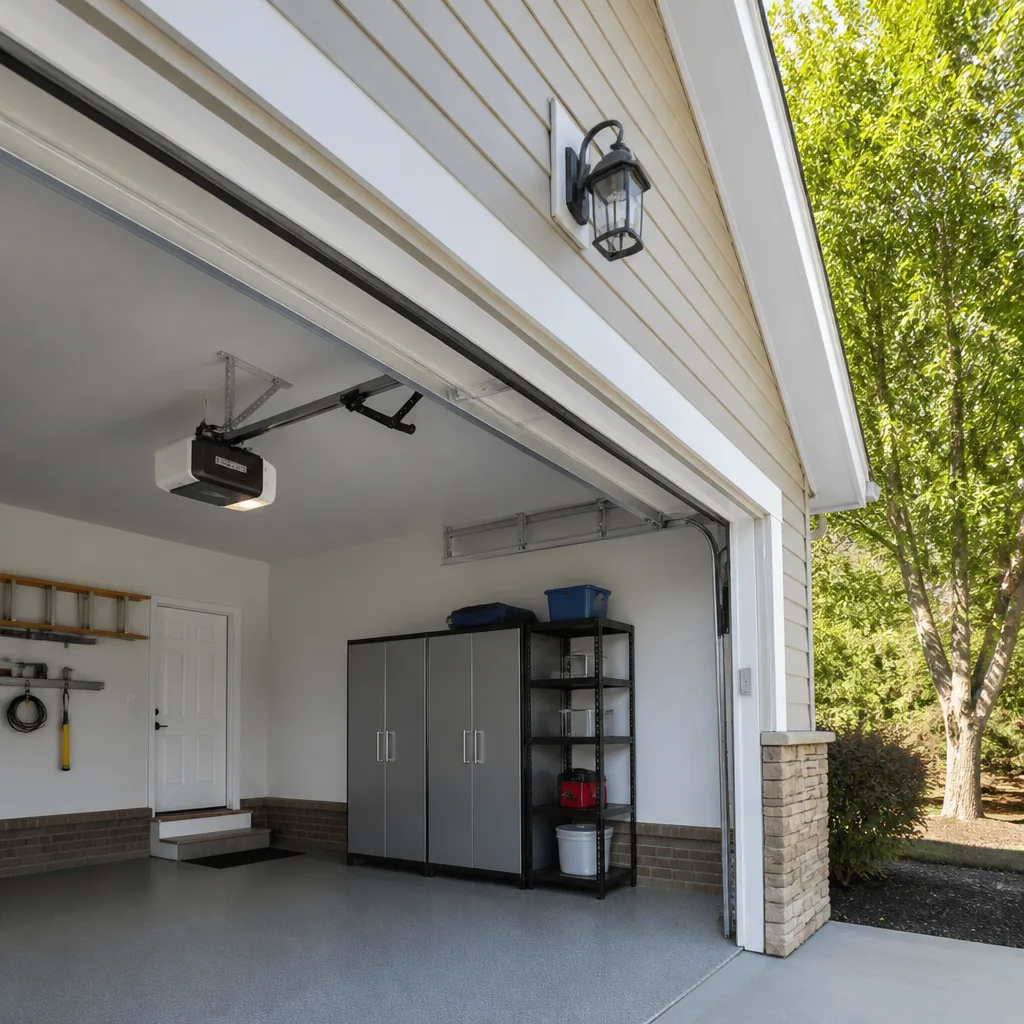 Chamberlain openers
Full 25-point door and opener safety check with every visit - springs, cables, rollers, tracks, and your LiftMaster or Chamberlain opener included
You get a price before we start. It does not change when the pro arrives.
Get your free estimateDIY vs Professional Garage Door: The Upper East Side Homeowner’s Decision Guide
Most garage door advice splits into two useless camps: “never touch it, call a pro” or “a garage door is just a big spring, you’ve got this.” Both miss the real question. The DIY-versus-pro decision for a garage door isn’t about how handy you are. It’s about which specific tasks carry injury risk or failure risk high enough that no skill level makes self-service sensible. A torsion spring stores enough energy to injure someone badly when it releases the wrong way. A bottom seal or a keypad reprogram? Genuinely a 20-minute job for most people. This guide draws that line task by task, so Upper East Side homeowners can decide with clear eyes instead of fear or false confidence.
Quick Answer
On a garage door, safe DIY territory covers low-tension, non-structural work: replacing a bottom seal, aligning photo-eye sensors, reprogramming a remote or keypad, and lubricating moving parts. Spring, cable, panel, track and opener-internals work carries real injury or failure risk and belongs with a trained garage door technician. For anything on the “do not touch” side of that line, the rational choice is professional service, not because you can’t learn it, but because the cost of getting it wrong is far higher than the cost of getting it fixed.
Styles & brands we work with
- Raised-panel steel
- Carriage house
- Modern flush
- Full-view glass
- LiftMaster openers
- Chamberlain openers
Table of Contents
- Where the DIY Line Actually Falls
- Why Torsion Springs Aren’t a Skill Problem
- The DIY Tasks That Genuinely Pay Off
- NYC Building Code and Insurance After a DIY Repair
- The “I’ll Start It and Call If It Gets Complicated” Trap
- Why Brand Familiarity Changes the Math
- What Professional Garage Door Work Typically Costs in Upper East Side
- How to Prep for a Professional Visit
Where the DIY Line Actually Falls
Picture a garage door system as two zones. Zone one is everything at the surface: seals, weatherstripping, sensors, remotes, keypads, lubrication, cosmetic hardware. Zone two is everything that holds the door’s weight and controls its motion: springs, cables, drums, hinges under load, rollers under tension, tracks holding a balanced panel, and the opener’s internal gears and force settings.
The line isn’t arbitrary. It follows the stored energy in the system. A sealed bottom edge holds no energy. A stretched torsion spring holds a great deal of it, and that energy has to go somewhere when the spring is released, whether by a trained technician or by a homeowner with a YouTube tab open.
- Safe for most homeowners: bottom seal replacement, sensor cleaning and alignment, remote and keypad reprogramming, lubrication of hinges, rollers and tracks, tightening visible bolts, wiping down panels.
- Risky, sometimes dangerous: torsion and extension spring replacement, cable replacement, drum and bearing plate work, track realignment after an impact, panel replacement on an attached door, opener gear and logic board replacement.
- Genuinely dangerous: releasing a wound torsion spring, cutting a tensioned cable, or repairing a spring assembly on a single-car door where the spring carries the full load.
Here in the Upper East Side, most homes with garages sit in older buildings, carriage houses and prewar structures with tight clearances. Those tight spaces make spring and cable work harder to reach safely and make a mistake harder to recover from. If your garage is below grade, the clearance is even tighter.
Why Torsion Springs Aren’t a Skill Problem
This is the part of the debate most people get wrong. Torsion spring work isn’t like hanging drywall, where experience narrows the odds of a mistake. The risk exists independent of skill level, because the risk is mechanical. A wound torsion spring is holding the door’s weight in a compressed coil. The moment that coil is released without the proper winding bars and controlled technique, it can whip free at speed. That’s a physics fact, not a scare tactic.
We don’t say this to talk you out of learning. We say it because too many spring jobs get attempted and then abandoned halfway, and a half-wound spring is worse than a broken one. A trained garage door technician knows the winding order, the right bar positioning, and how to keep the door from dropping on a cable that’s still live. Spring repair is a named specialty for us for exactly this reason: it’s the highest-tension, commonly mishandled component in the system, and generalists often avoid it for the same reason.
Two things to check before you ever touch a spring assembly:
- Look, don’t reach. If the spring looks broken, separated or visibly unwound, stop. Don’t try to lower the door by hand while a spring is broken; the door’s weight becomes uncontrolled.
- Call it in. Spring replacement is one of the few garage door tasks where the pro path is the only rational one. Our technicians have up to 9 years of experience and treat spring replacement as a standalone job, not an add-on. That’s a big reason we also handle garage door repair with the same single-trade focus.
The DIY Tasks That Genuinely Pay Off
Not every garage door task needs a service call. Some repairs are cheap, low-risk and quick enough that a homeowner genuinely saves money by handling them. Here’s the list we recommend keeping in your back pocket.
- Bottom seal and weatherstripping: if you can see daylight under the door, or your garage takes on water or drafts, the bottom seal is likely worn. Replacement involves lifting the door slightly, pulling the old seal out of the retainer and sliding the new one in. Twenty minutes, no special tools.
- Photo-eye sensor alignment: sensors should be about six inches off the floor, aimed squarely at each other, with the small LED on each unit lit. If the door reverses for no obvious reason, a misaligned or dusty sensor is the first thing to check. A soft cloth fixes most of it.
- Remote and keypad reprogramming: a new remote, a dead keypad battery or a code you’ve forgotten is a self-serve job if you have the opener’s manual. LiftMaster and Chamberlain systems use a learn button on the motor housing; Genie and Raynor are similar but not identical, so check your specific model.
- Lubrication: a silicone-based lubricant on hinges, rollers and the spring coils (not a heavy grease) quiets most of the noise complaints we hear on the Upper East Side.
- Visible bolt tightening: a socket wrench on the hinge bolts and track brackets is fine. Don’t attempt to loosen anything holding the springs.
If you’re handy with a smart-home setup, a connectivity problem with a LiftMaster or Chamberlain opener is often solved by re-pairing the Wi-Fi module. If the opener itself doesn’t respond to any input, that’s a different job, and garage door opener repair is where the brand-specific knowledge actually matters.
NYC Building Code and Insurance After a DIY Repair
Garage doors in New York City fall under the Department of Buildings, and the rules for residential attached or below-grade garages are stricter than in much of the country. We won’t quote a code section here; the specifics change and vary by building. What matters for the DIY-versus-pro decision is a general truth: an unpermitted repair that changes the door’s structural behavior, its attachment to the building, or its life-safety hardware (auto-reverse, force limits, sensors) can create a problem that outlives the repair itself.
On the Upper East Side, that plays out in a few common ways:
- Attached garages in townhouses and prewar buildings often share a fire separation wall with the home. Any modification to the door, frame or operator hardware has to respect that separation. A misdrilled bracket or a loosened panel is a real problem, not a cosmetic one.
- Below-grade garages in some buildings sit inside a mechanical footprint. Auto-reverse sensors and the door’s force settings are life-safety equipment, not preferences, and a homeowner adjusting the force limit to make the door “close properly” can create a genuine hazard.
- Insurance policies frequently ask whether repairs were done by a licensed trade. We can’t say what any specific insurer will require, but it’s worth checking with yours before a DIY job that touches structural or life-safety components.
Every professional visit is done by a local pro who is licensed and insured as their state requires, and the work is scoped and priced in writing before it starts. For code specifics on your building, ask the city’s building department. For the door itself, that’s a conversation for a garage door technician.
The “I’ll Start It and Call If It Gets Complicated” Trap
This is the decision failure we see most often, and it doesn’t cost what people think. The problem isn’t the original repair bill; it’s the recovery. A door left half-disassembled, a spring unwound but not removed, a track bent while trying to free a stuck roller, or an opener that’s been powered off mid-cycle and now can’t find its limits: these are the states that turn a defined job into a diagnostic puzzle.
What actually happens when a homeowner stops mid-repair on a garage door:
- The door’s weight is now uncontrolled. A partially released spring means the door may be too heavy for the opener to lift and unsafe to lower by hand.
- The system’s balance is off. Once a spring or a cable is partially moved, the door no longer balances the way the opener expects, and the opener’s force settings become a guess.
- New parts get damaged. A bent track or a warped panel from a partial job can turn a single-part replacement into a multiple-part one.
- The diagnostic time goes up. Instead of “replace worn spring,” the job becomes “figure out what state the door is in and restore it.” That’s more time on site.
In our experience, the customers who call before starting are almost always happier with the outcome than the ones who call three hours in. When a door won’t move at all and a partial DIY job has made things worse, that’s the moment to call. We answer 24/7, with fast dispatch from 7am to 7pm, Sunday through Friday, and a call outside dispatch hours is booked into the next opening. When the door won’t move, we move fast.
Why Brand Familiarity Changes the Math
Garage door systems are not interchangeable. A LiftMaster opener’s force settings, a Chamberlain’s Wi-Fi module behavior, a Genie safety sensor’s fault codes and a Raynor door’s spring configuration all follow different logic. For a homeowner deciding DIY versus pro, that matters in two ways.
- For the DIY side: if you can identify your exact model and find the manual, the easy tasks get easier. Reprogramming, sensor alignment and lubrication work best with model-specific instructions.
- For the pro side: brand fluency is what makes professional work faster and cleaner. A technician who knows the brand you already have diagnoses in one visit instead of two, and sources correct parts the first time instead of a substitute.
We’re factory-familiar with eight major residential brands: LiftMaster, Chamberlain, Genie, Clopay, Amarr, Wayne Dalton, Craftsman and Raynor. That matters most with the smart-home lines (LiftMaster and Chamberlain dominate that space), where connectivity and app control introduce a layer of setup that generic technicians often have to research on site. Garage doors are all we do, so every technician who arrives is a garage door technician, not a generalist squeezing a door repair between other jobs. If you’re weighing a new system rather than a repair, garage door installation is the counterpart conversation, and it’s a measured, scheduled job rather than a same-day one.
What Professional Garage Door Work Typically Costs in Upper East Side
Upper East Side garage door pricing sits above national averages, mostly because of access, building type and the labor time per job. Here’s the honest shape of the numbers, as typical estimates rather than quotes. The written estimate sets the final price, and the price is agreed before any work starts.
| Job | Typical estimated range | Notes |
|---|---|---|
| Torsion spring replacement (one spring) | $280-$420 | A matched pair is usually replaced together, so a pair runs about twice that. |
| Photo-eye sensor replacement | $120-$220 | Includes alignment and force testing. |
| Opener repair (gear, board or module) | $180-$340 | Brand-specific parts; LiftMaster and Chamberlain the most common. |
| Track realignment | $150-$300 | Price climbs when a bent track has forced a panel out of alignment. |
| Cable replacement | $180-$300 | Usually done as a pair. |
| Bottom seal replacement | $90-$180 | The DIY case in this guide is usually cheaper than the pro list price. |
Compare those numbers to the DIY risk they represent. A bottom seal at $150 is worth a DIY attempt if you’re comfortable; a spring at $280-$420 is worth a professional every time, because the alternative is an injury or a partial job that costs more to unwind. The estimate is free and there’s no surge pricing for a same-day call: the price is per job, set in writing.
How to Prep for a Professional Visit
If you’ve decided the job belongs with a technician, a few minutes of preparation shortens the visit and often keeps the price at the low end of the range.
- Clear the garage floor and the approach. A foot of open space on all sides means the technician can work safely without moving your things.
- Note the brand and model of the door and opener. If you can’t find the label, a photo of the opener housing is enough. This is where brand fluency kicks in.
- Write down what’s actually happening. “Reverses halfway up,” “grinds on the way down,” “won’t respond to remote but works from wall switch.” Specific symptoms speed diagnosis.
- Check for a manual override. If the opener has a manual release, note whether the door is being released by hand or with a tool.
- Have building access sorted. Upper East Side carriage houses, townhouses and mixed-use buildings sometimes have fob-restricted garage entrances or tight alley approaches. Flag that when booking.
Common Mistakes to Avoid
- Attempting a torsion spring with pliers or a screwdriver instead of winding bars. This is the single most common hazard we hear about, and it’s the most likely to cause serious injury. The spring will not hold if the tooling is wrong.
- Adjusting the opener’s force limit to force a stubborn door closed. A door that won’t close is usually telling you the spring, cable or track is in trouble. Boosting the force means the opener is now overpowering a mechanical fault, and the auto-reverse protection is compromised.
- Mixing parts by guesswork. A spring that “looks the same” can have a different wire gauge or cycle count, and a mismatched spring shortens the life of the whole assembly. In Upper East Side buildings with older doors, the original spring specs are often lost.
- Cutting or clamping a cable “to see what happens.” Cables are under heavy tension. Cutting one at the wrong moment releases the door’s weight with nothing holding it.
- Skipping the safety sensor check after a DIY seal replacement. It’s easy to knock a sensor out of alignment while working at the bottom of the door, and the door will refuse to close a day later.
- Assuming the building will cover DIY damage to a shared garage structure. In attached or below-grade garages, damage to fire separation or to a shared frame is the kind of thing your building’s management or insurer can ask you about.
- Calling a handyman when the brand is unfamiliar. A LiftMaster or Raynor system behaves differently from the generic openers a generalist sees all week, and diagnosis time climbs. A garage door specialist is the right call for brand-specific work.
See the difference
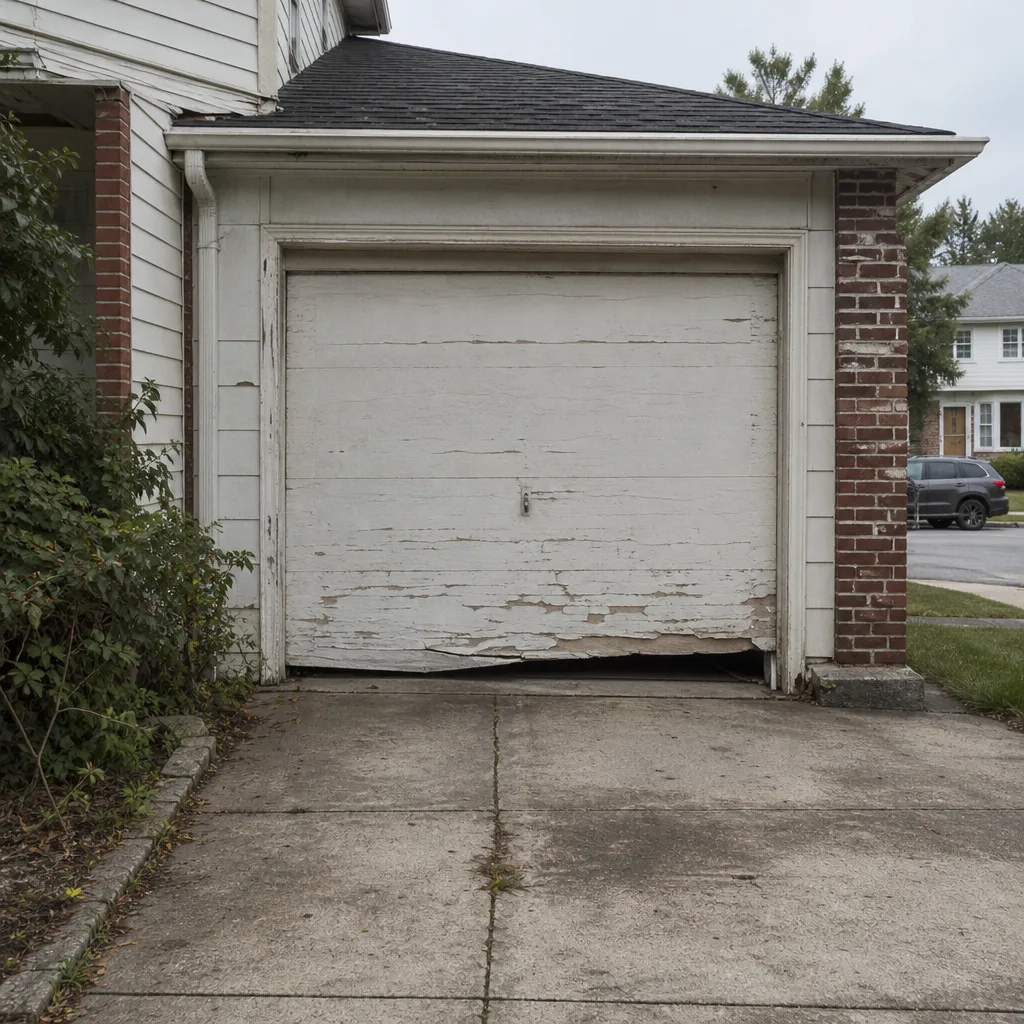 Before
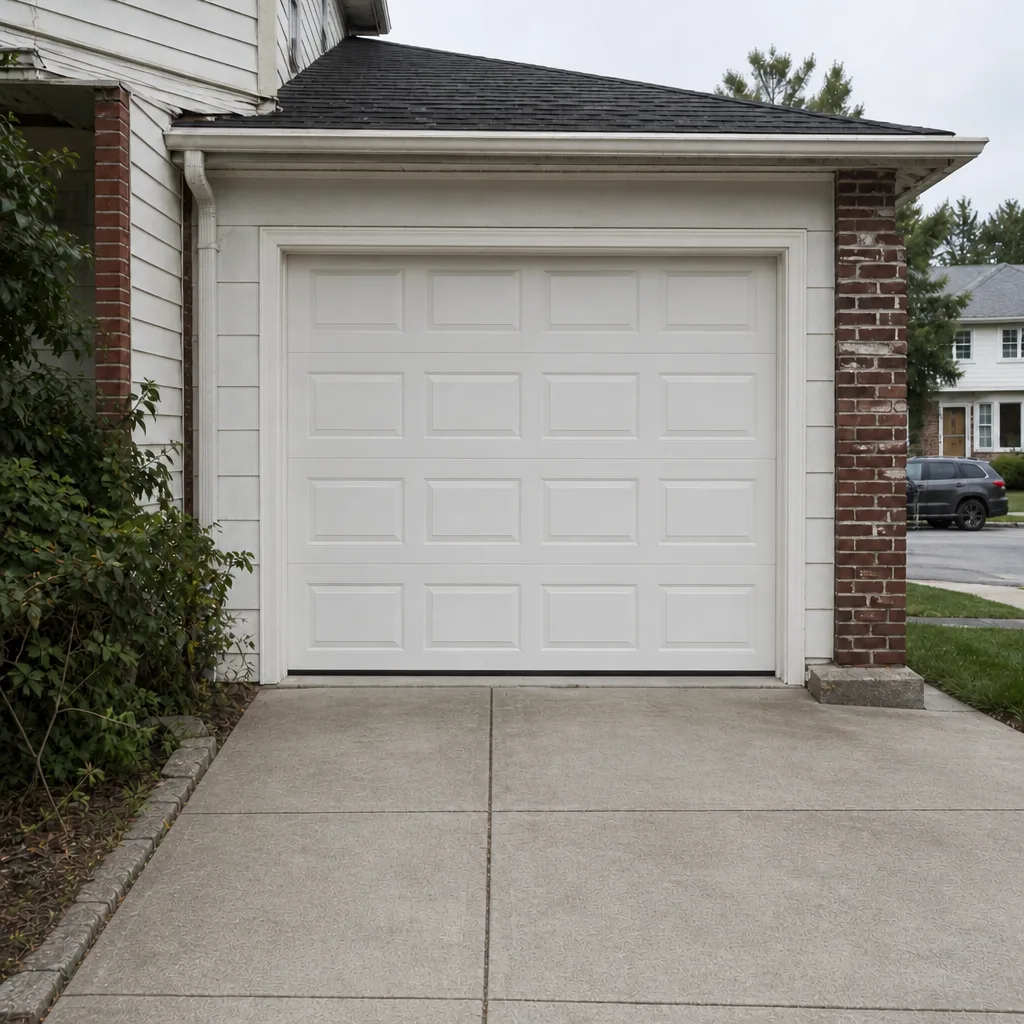 After
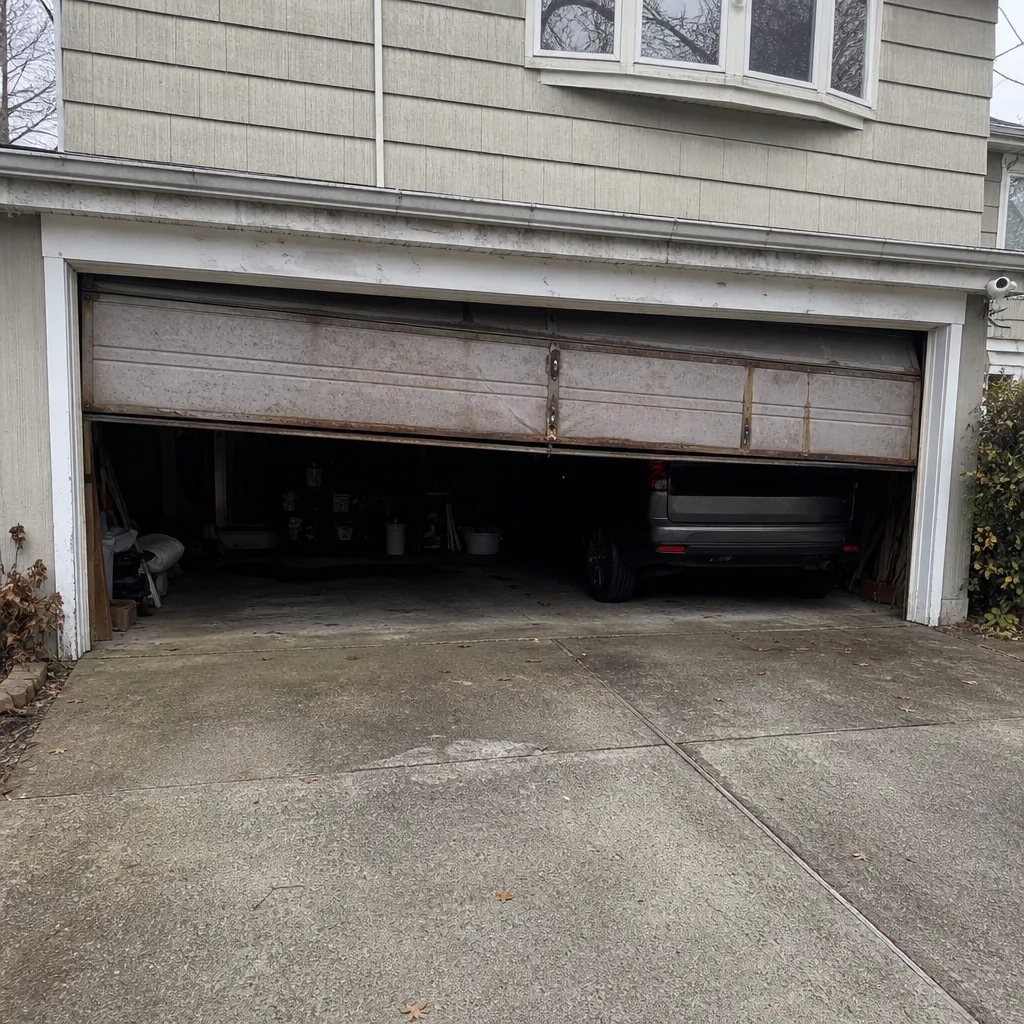 Before
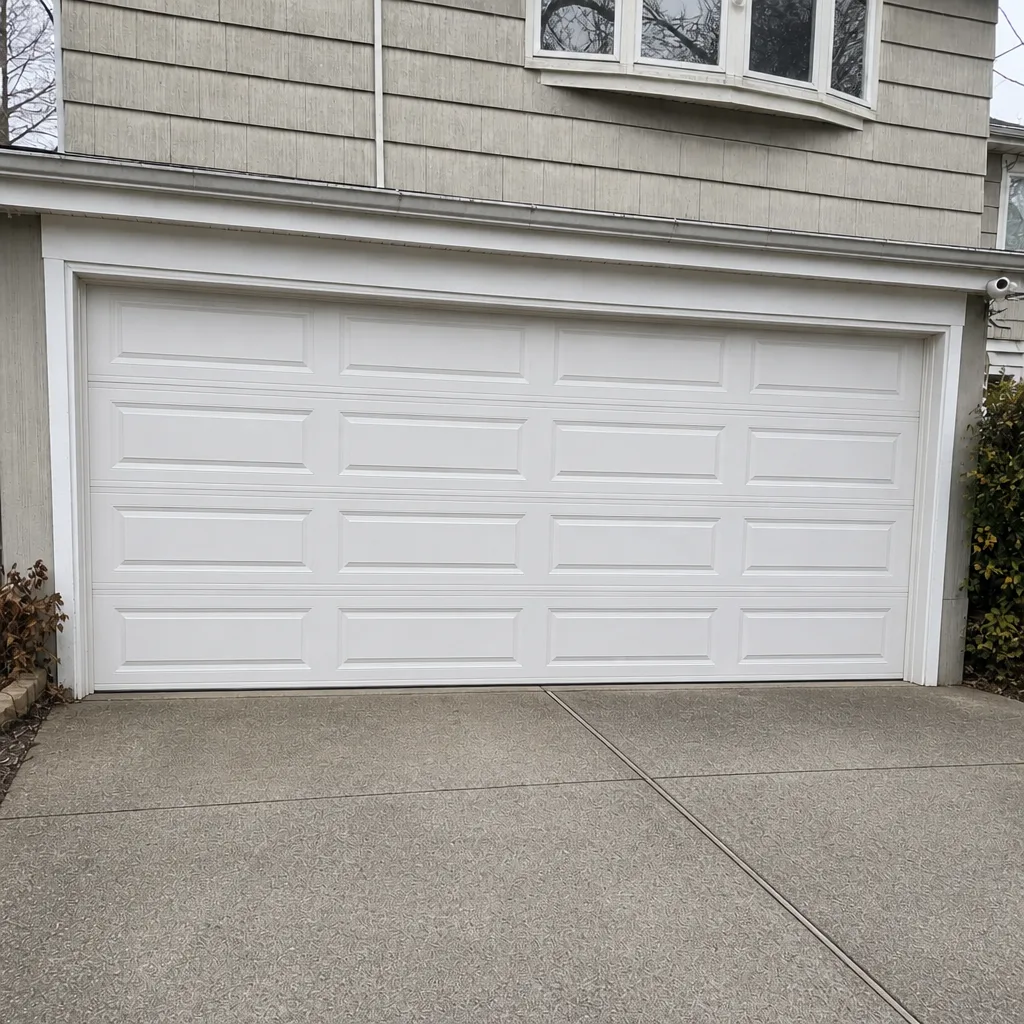 After
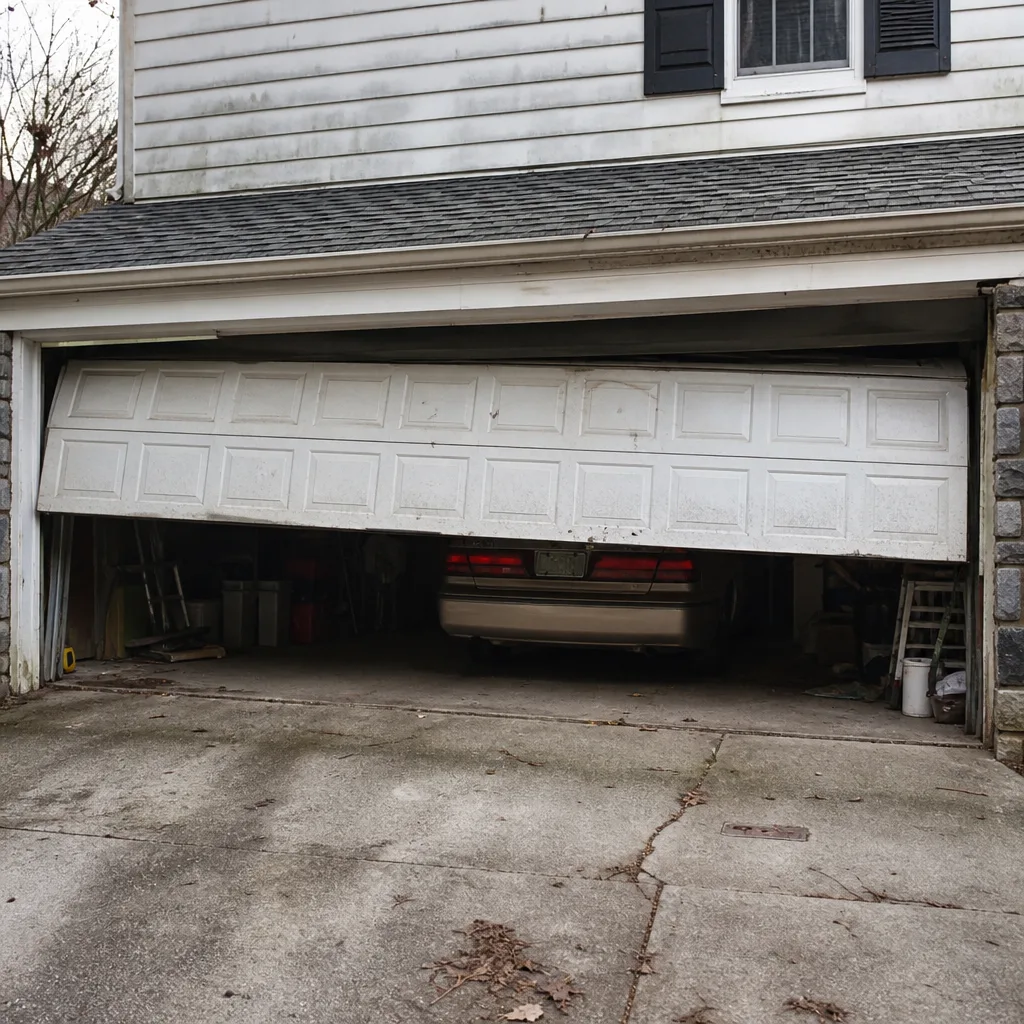 Before
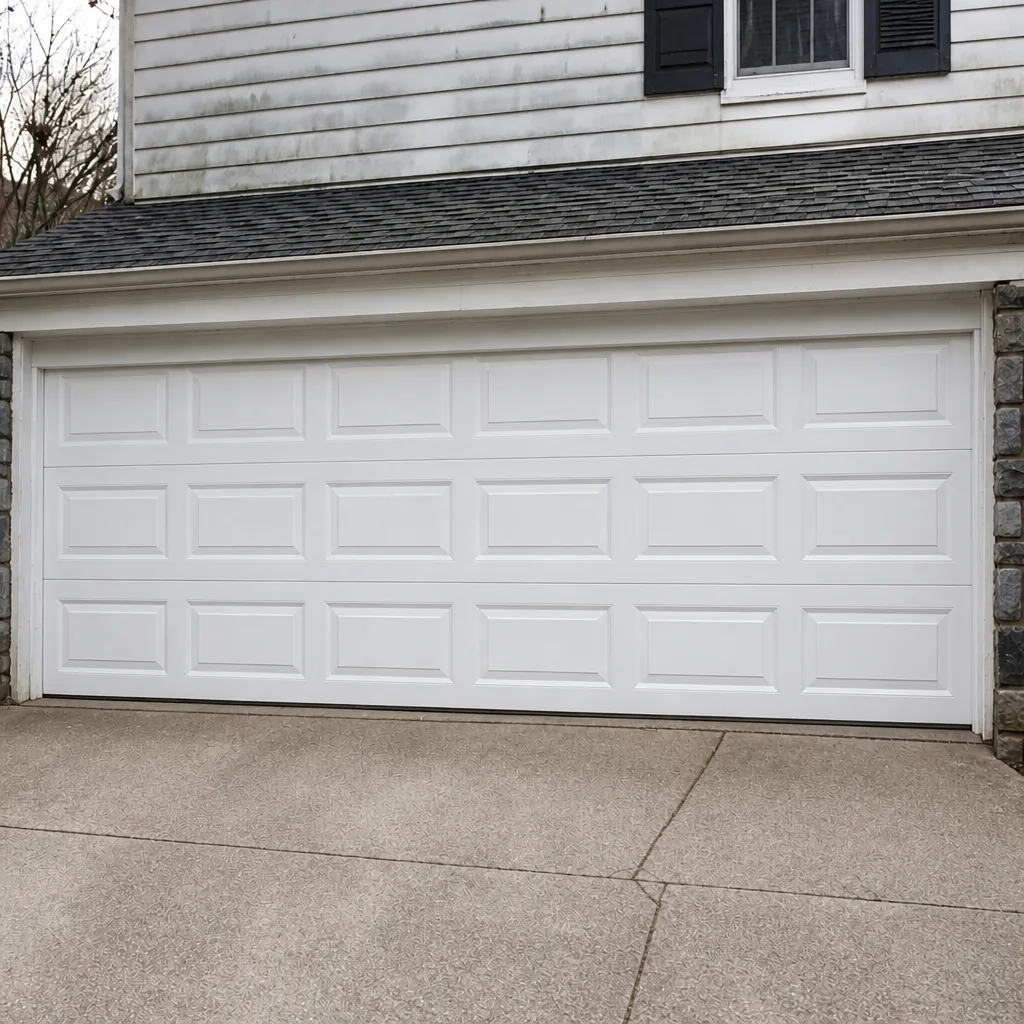 After
When to Call a Professional
Call a professional the moment the job crosses into spring, cable, track, panel or opener-internals territory. Also call if the door has stopped moving, if it reverses unpredictably, if you hear grinding or snapping, if a spring looks broken or unwound, or if a partial DIY attempt has left the system in an unknown state. Any of those is a signal to stop and hand it over. Garage Door Repair Upper East Side offers free estimates in Upper East Side, and our technicians have up to 9 years of experience working across LiftMaster, Chamberlain, Genie, Clopay, Amarr, Wayne Dalton, Craftsman and Raynor systems. We work on the brand you already have, we answer 24/7, and we dispatch from 7am to 7pm, Sunday through Friday. If you’d rather not guess, call (877) 492-1824.
Frequently Asked Questions
No. A torsion spring holds enough stored energy to cause serious injury, and the risk exists regardless of your experience level, because the danger is mechanical rather than a matter of skill. Spring replacement requires winding bars, controlled technique and a way to keep the door’s weight under control. Call (877) 492-1824 for an exact quote on spring replacement; estimates are free.
Bottom seal replacement, sensor cleaning and alignment, remote and keypad reprogramming, and lubrication of hinges, rollers and tracks are all genuinely DIY-friendly. Anything involving springs, cables, tracks under load, panels or the opener’s internal parts belongs with a garage door technician.
Possibly. In attached and below-grade garages, any change to the door’s structural behavior or its life-safety hardware can come up with your building management or insurer. Check with both before a DIY job that touches anything beyond seals, sensors or remotes.
Yes, same-day service is available. We answer 24/7 and dispatch from 7am to 7pm, Sunday through Friday. A call outside dispatch hours is booked into the next opening. Call (877) 492-1824 for an exact quote.
Brand familiarity shortens diagnosis and gets the correct part on the first visit. We’re factory-familiar with LiftMaster, Chamberlain, Genie, Clopay, Amarr, Wayne Dalton, Craftsman and Raynor, and that matters most with smart openers that need app-level setup and secure-code pairing.
Most common repairs run about $120-$340, with torsion spring replacement at $280-$420 per spring and a matched pair at about twice that. The written estimate sets the final price, and the price is agreed before work starts. Call (877) 492-1824 for an exact quote; estimates are free.
No. The written estimate is the price. If a partial DIY attempt has left the system in an unknown state, we’ll scope the full job and quote it in writing before we start, and you can decide from there.
The local pro who performs the work is licensed and insured as their state requires. Every technician we send is a garage door technician, not a generalist, and our team has up to 9 years of experience across the leading residential brands.
The Bottom Line
The DIY-versus-pro question for a garage door isn’t about whether you’re capable. It’s about which tasks carry injury or failure risk that no amount of capability can erase. Seals, sensors, remotes and lubrication are genuinely smart to handle yourself. Springs, cables, tracks, panels and opener internals are where professional service is the rational choice, even for a confident DIYer. On the Upper East Side, tight clearances and older buildings make that line even sharper, and the partial-job trap is the most expensive mistake in the guide. If you want the job done once, without guesswork, we’re here for it. Call (877) 492-1824 for a free estimate. We answer 24/7, fast dispatch from 7am to 7pm, Sunday through Friday. Garage doors are all we do. For an overview of everything we cover, start with Garage Door Repair Upper East Side.
Written by the team at Garage Door Repair Upper East Side.