
Last updated November 21, 2026
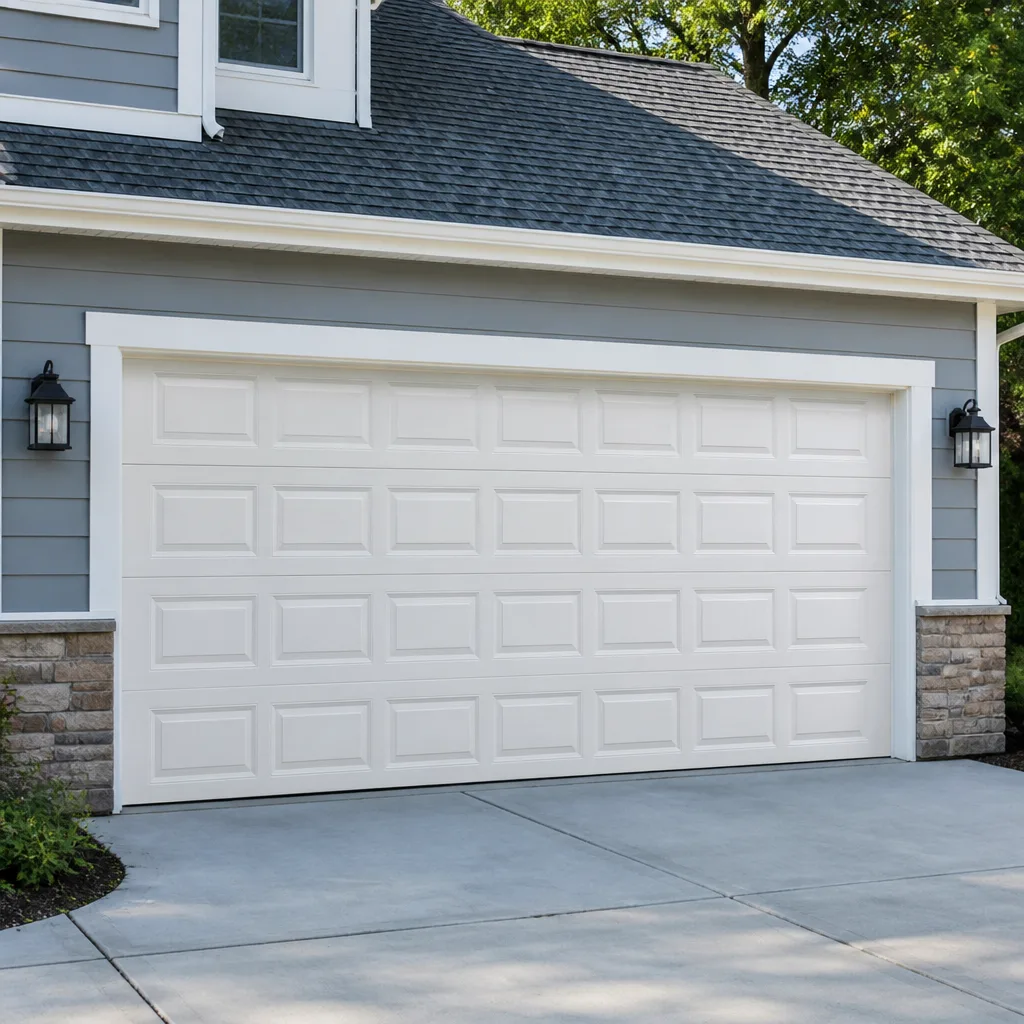 Raised-panel steel
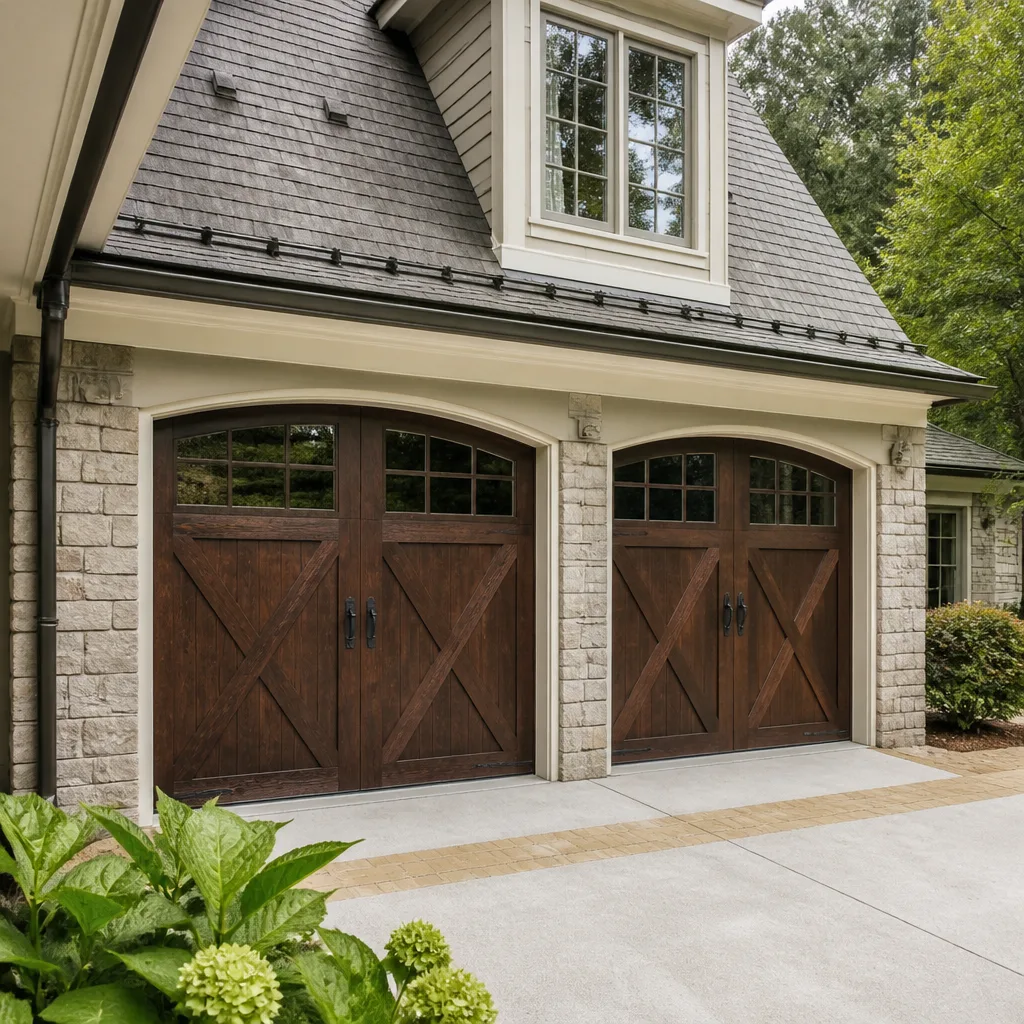 Carriage house
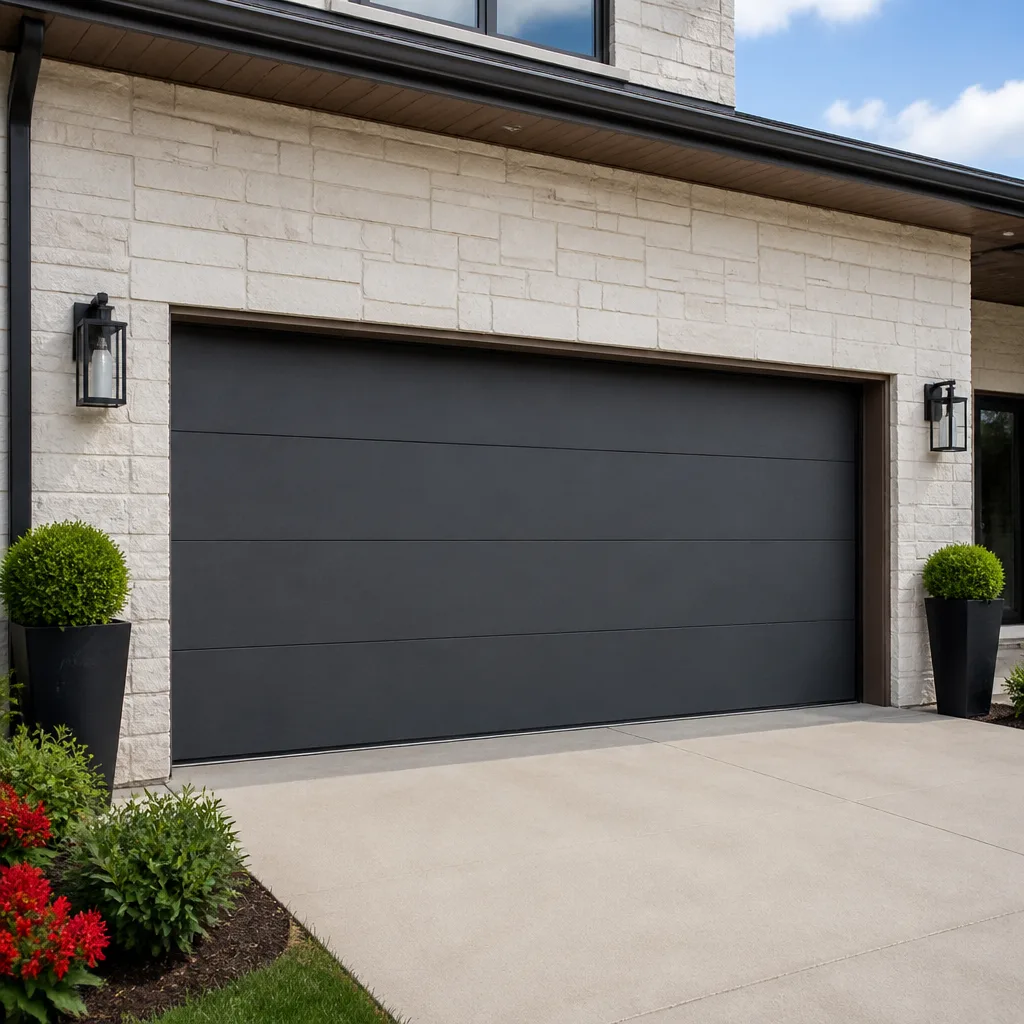 Modern flush
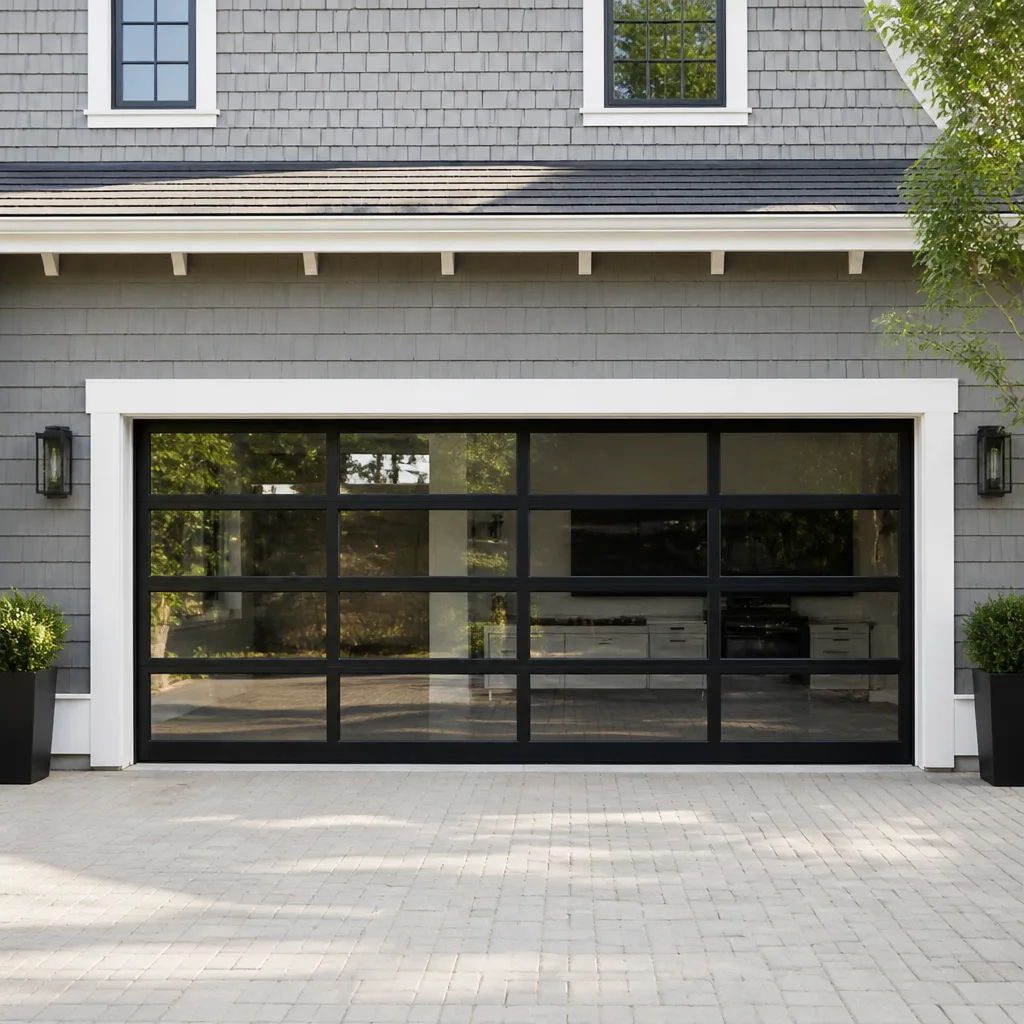 Full-view glass
 LiftMaster openers
 Chamberlain openers
Full 25-point door and opener safety check with every visit - springs, cables, rollers, tracks, and your LiftMaster or Chamberlain opener included
You get a price before we start. It does not change when the pro arrives.
Get your free estimateGarage Door Repair Maintenance Checklist for Upper East Side Homeowners
Salt brine spread on Manhattan streets each winter is more corrosive than the ice it melts, and it reaches the bottom seal, hinges, and track of any garage door within a few feet of the street. Most homeowners don’t look for that damage until a door stops closing. If you live in a townhouse with a street-level garage, a co-op with a below-grade parking entrance, or a building on a side street where buses and trucks rumble past all day, your door faces a set of stressors that a generic suburban checklist won’t catch. This guide walks through a maintenance routine built for Upper East Side conditions: what to inspect, how often, what you can safely check yourself, and what belongs in the hands of a trained technician.
Quick Answer
A working maintenance checklist for an Upper East Side garage door covers six things: washing brine and road salt off the bottom seal, hinges, and track; checking and tightening vibration-loosened hardware; lubricating rollers, hinges, and springs on a cold-weather schedule; testing the balance and the safety reverse; inspecting cables and the torsion spring for wear; and logging the door’s condition between visits so a technician can spot change over time. Anything involving the torsion spring or the cables should be left to a trained professional. Everything else you can inspect yourself in about fifteen minutes a month.
Styles & brands we work with
- Raised-panel steel
- Carriage house
- Modern flush
- Full-view glass
- LiftMaster openers
- Chamberlain openers
Table of Contents
- Why Upper East Side Doors Age Faster Than Suburban Ones
- Salt and Brine: The Inspection Points Most Homeowners Miss
- Vibration and Traffic: The Hardware Problem Nobody Checks
- Lubrication on a Cold-Weather, Low-Use Schedule
- Torsion Springs and Cables: The Item Everyone Skips
- How to Document Your Door’s Condition Between Visits
- A Seasonal Schedule for Upper East Side Garages
- Common Mistakes to Avoid
Why Upper East Side Doors Age Faster Than Suburban Ones
The maintenance advice you’ll find online is usually written for a two-car garage in a driveway, where the door sits thirty feet back from the road and gets used twice a day. An Upper East Side garage is a different animal. Many are at street level or below grade, set right at the sidewalk line on blocks like Carnegie Hill, Yorkville, or along the cross streets between First and Third. That proximity to the roadway is the single biggest factor in how fast a door degrades here.
Three things happen to a city door that mostly don’t happen to a suburban one:
- Road treatment reaches it directly. Winter brine and rock salt get splashed, tracked, and blown onto the bottom seal, the lower hinges, and the track. Salt doesn’t just sit there; it pulls moisture against bare steel and accelerates rust at the exact points that carry the most load.
- Heavy traffic shakes it loose. Buses, box trucks, and delivery vans rolling over the cross-street asphalt send low-frequency vibration through a building’s foundation and into the door frame. Bolts and hinges that would stay tight for years in a quiet suburb work themselves loose here.
- It gets used less, not more. Plenty of Upper East Side households keep a car for occasional trips, which means the door cycles a handful of times a week rather than many times a day. Low-use doors aren’t “safer” – they let lubricant dry out, springs sit in one position, and small problems go unnoticed for months because nobody’s watching the door move.
A door that rides up and down fifty times a day tells you when something’s wrong. A door that moves four times a week keeps its problems to itself. That’s the core reason this checklist leans on scheduled inspection rather than “wait until it makes a noise.” In our experience, the doors that fail hardest are the ones nobody looked at for a year.
Salt and Brine: The Inspection Points Most Homeowners Miss
Salt damage doesn’t announce itself. It starts as a chalky white film and a rough spot on painted steel, then moves into pitting and flaking, and by the time you see rust running down the door panel the metal underneath has already thinned. A quick inspection a few times each winter catches it early.
Check these points in order, working bottom to top:
- The bottom seal (weatherstrip). Run a gloved hand along the rubber or vinyl seal at the base of the door. It should feel supple and sit flat against the floor. Salt makes it brittle and cracks it at the corners. A hardened seal lets water and cold air in, and it stops sealing against the threshold.
- The bottom section of the door panel. Look for white bloom, pinholes, or bubbling paint along the lowest 12 inches. That’s the splash zone. If you find active rust, don’t sand it and forget it; the metal needs treating and repainting before it spreads.
- The lowest hinges. The hinges nearest the floor take the most brine. Look for rust at the knuckle and around the screw heads.
- The vertical track, bottom two feet. Salt collects in the curve where the track meets the floor and where the rollers ride. Grit and corrosion there cause a grinding sound and uneven travel.
- The threshold and the floor drain area. In below-grade garages, brine pools at the threshold instead of draining away. That’s where pitting starts on the track flange.
Rinsing the bottom seal, hinges, and lower track with fresh water after a heavy brine application helps more than most people realize, as long as you dry the metal afterward and don’t spray up into the spring assembly. For anything past surface film – flaking paint, pitted track, a seal that’s cracked through – call in a professional. That’s garage door repair territory, and the sooner it’s handled the less it costs.
Vibration and Traffic: The Hardware Problem Nobody Checks
Every time a loaded truck crosses a street near your building, the frame the door is mounted to absorbs some of that energy. Over months, that translates into loosened fasteners. This is one of the quietest failure modes in city garages, and it’s the one most often missed because nothing looks wrong until something rattles or the door drifts off track.
Here’s what to inspect and what to leave alone:
- Hinge screws and bolts. With the door fully closed, check every hinge plate for looseness. A screw that backs out a quarter turn lets the hinge shift, which throws the roller alignment off and puts side load on the track. Snug them by hand with the right driver; don’t over-torque and strip the hole.
- Track brackets and jamb fasteners. The brackets that hold the vertical and horizontal track to the wall should be firm. If a bracket is loose, the track can bow, and a bowed track drags on the rollers.
- The opener’s ceiling mount and rail bolts. Vibration loosens the hanger brackets and the bolts that join the rail sections. A wobbly opener rail misaligns the trolley and wears the drive gear. On a belt-drive LiftMaster or a chain-drive Craftsman, a loose rail also gets noisy fast.
- Roller stems in their hinges. Look for rollers that sit cocked in the hinge rather than seated square. That usually means a worn hinge or a loosened fastener nearby.
What you should not do is tighten the lag bolts that anchor the torsion spring assembly or the cable drums. Those carry stored energy, and adjusting them incorrectly is how people get hurt. If the spring anchor plate or any part of the shaft assembly looks loose, stop and call a technician. That’s a spring-and-hardware job, not a homeowner one.
If you have a Wayne Dalton or Raynor door with a proprietary track system, pay particular attention to the manufacturer’s specified fastener points rather than tightening every bolt you see. Different systems tolerate different amounts of adjustment, and a technician who knows the brand will know which fasteners matter.
Lubrication on a Cold-Weather, Low-Use Schedule
Lubrication advice online usually says “twice a year.” For an Upper East Side door that gets used a few times a week and sits through cold winters, twice a year is often not enough, and the type of lubricant matters as much as the frequency. Cold thickens grease, and a thick, gummy lubricant on a low-use door turns into a drag that strains the opener.
Use a purpose-made garage door lubricant – a light lithium or silicone-based product, or a dedicated door lube. Avoid heavy chassis grease and avoid WD-40 as a long-term lubricant; it cleans and displaces water but doesn’t leave the film rollers and hinges need.
Here’s a sensible schedule:
- Late fall (before the first hard freeze). Lubricate hinges, rollers, and the torsion spring coils lightly. Cold weather is when a dry, stiff door strains hardest, so this is the most important application of the year.
- Mid-winter if the door gets salty. A light touch-up on the lower hinges and rollers after the worst brine weeks.
- Spring (after salt season). Clean off salt residue first, then re-lubricate. Lubricating over grit just traps the grit.
- Midsummer. A quick reapplication, especially if the door has been sitting unused for weeks. Doors that don’t move don’t redistribute lubricant.
Where to apply it: the hinge knuckles, the roller bearings (not the roller surface against the track), the torsion spring coils, and the opener’s rail and trolley. Wipe off excess. A dry cloth pass along the track itself is usually better than lubricating the track; tracks should be clean and dry, not greasy, because grease on a track collects grit and turns into a grinding paste.
If your opener is a smart, Wi-Fi-enabled unit – most modern LiftMaster and Chamberlain systems – check the app’s cycle count and error log while you’re at it. Those logs tell you how hard the opener is working, and a rising error count usually points to a lubrication or balance problem before the door actually fails.
Torsion Springs and Cables: The Item Everyone Skips
We’ll say this plainly: torsion springs and cables are the most dangerous components on your garage door, and they’re the item most homeowners either skip entirely or try to handle themselves. A torsion spring stores an enormous amount of energy. When one fails, it lets go with a bang, and if you’re standing under it or your hand is near the winding cone, the consequences are serious. This is not a part to learn on.
What you can do is inspect – visually, from a safe distance, without touching:
- Look for a visible gap in the spring coil. A broken torsion spring splits into two pieces, and often one hangs loose. If you see a gap, the door is now being held up by the opener and the cables alone. Don’t operate it. Call for garage door repair Upper East Side and keep everyone clear of the door.
- Check for stretch or sag in the cables. The lift cables should run taut and even on both sides. A cable that’s slack on one side or has frayed strands is a safety issue, not a maintenance item. Stop using the door.
- Listen for the signs of a failing spring. A booming sound from the garage, a door that suddenly feels very heavy when you lift it by hand (with the opener disconnected only if you’re confident doing so), or a door that slams down the last foot all point to spring trouble.
- Watch for a door that’s out of balance. Disconnect the opener and lift the door halfway by hand. It should stay put. If it drifts down or up on its own, the spring tension is off, and that needs a technician.
What you should not do is attempt to wind, unwind, or adjust a torsion spring, or to reattach a cable. This is the one part of door maintenance where “I’ll just try it” is genuinely dangerous. A trained technician has the winding bars, the right springs, and the knowledge of how much tension your specific door system needs. That’s why spring repair is a named specialty for us, not a general handyman task – it’s the most mechanically dangerous and most commonly mishandled door repair there is.
What about knowing when a spring is near the end of its life? Springs are rated by cycle count, not by age. A door that cycles a few times a week will outlast a high-traffic one on the same spring, but rust and salt exposure shorten life. If your door has original springs and you notice the door feeling heavier or lifting unevenly, have them inspected by a professional. A technician can measure the spring’s condition and tell you whether it’s due. That’s information a homeowner can’t reliably get from a visual check.
How to Document Your Door’s Condition Between Visits
This is the part of maintenance most homeowners skip, and it’s the part that makes the biggest difference. A technician arriving at a door sees its current state. What they can’t see is whether the rust on the bottom panel is new this winter or has been spreading for three. If you keep a simple record, you hand them a timeline – and a timeline catches problems while they’re cheap to fix.
A simple log works. Keep a note on your phone or a sheet in a drawer, and record:
- The date and what you checked. A line or two is enough: “March 2 – seal looks cracked at corners, hinges rusting at bottom two.”
- A photo of the bottom seal, the lower hinges, and the track, from the same angle each time. Photos taken months apart show progression in a way your memory won’t. Rust creeping up a panel over a winter is obvious in side-by-side shots.
- Any new sound, hitch, or pause. Note when it started. “Door hesitates about a foot off the floor since early January” tells a technician far more than “it’s acting weird.”
- Opener error codes or app alerts. If you have a connected opener, screenshot any fault codes. They’re a direct readout of what the opener thinks is wrong.
- When the door was last lubricated and what you used. Prevents over-lubrication and lets a technician spot a product that’s attracting grit.
Bring that log out at your next service visit. A good technician will use it. We’ve seen a photo from six months earlier point straight at a track that was starting to bow – caught early, it’s a minor fix; caught after the door drifts off it, it’s a bigger job.
Documenting isn’t a substitute for a professional inspection. It’s a way to make every professional visit more productive, because the technician is diagnosing a trend, not just a snapshot.
A Seasonal Schedule for Upper East Side Garages
Here’s the whole checklist condensed into a year you can actually follow. Adjust the timing for your building, but the sequence is what matters.
Late fall (before winter):
- Lubricate hinges, rollers, spring coils, and the opener rail.
- Test the safety reverse by placing a small object under the closing door.
- Check the balance of the door with the opener disconnected.
- Photograph the bottom seal, hinges, and track for your log.
Through the winter and after brine season:
- Rinse the bottom seal, lower hinges, and track of salt residue; dry afterward.
- Reapply a light coat of lubricant to the lower hardware.
- Re-tighten loose hinge and bracket fasteners as you find them.
- Log any new rust, cracks in the seal, or change in the door’s movement.
Spring (after salt season):
- Clean off remaining salt residue before re-lubricating.
- Repaint any surface rust on the lower panel with a zinc-based primer before topcoat.
- Inspect the torsion spring and cables visually. Call a technician at anything unusual.
- Update the photo log.
Summer:
- Re-lubricate, especially after a period of low use.
- Test the safety reverse again.
- Check the opener mounts and rail bolts for vibration loosening.
- Review your log and book a professional inspection if anything has changed.
One professional inspection a year catches what a monthly self-check can’t: spring wear, cable condition, opener gear wear, and track alignment. That’s the difference between a door that lasts and a door that fails on the morning you need it.
Common Mistakes to Avoid
- Treating a suburban checklist as-is. If you follow a generic online list, you’ll skip the salt inspection, the vibration check, and the low-use lubrication – the three things that matter most for an Upper East Side garage.
- Lubricating the track. Grease on a track collects grit from city streets and turns into grinding paste. Tracks should be clean and dry; rollers and hinges get the lubrication.
- Ignoring a bottom seal that’s cracking. A hardened, split seal lets in cold air, water, and salt right at the point where the door panel meets the floor. Replacing a seal is a small job; repairing a rusted bottom section isn’t.
- Attempting to adjust a torsion spring or reattach a cable yourself. These are the most dangerous parts of the door. No checklist item is worth that risk. Leave it to a technician.
- Over-lubricating in an attempt to “keep things smooth.” More isn’t better. Excess lubricant attracts grit, and a greasy roller can slip out of its hinge.
- Skipping the balance and safety-reverse test. A door that fails to reverse is a hazard to anyone – or anything – under it. Test it every season, not just once a year.
- Not logging condition over time. Without a record, a technician sees only what’s wrong now, not what’s been getting worse. A simple photo log catches a problem while it’s a minor fix instead of a replacement.
See the difference
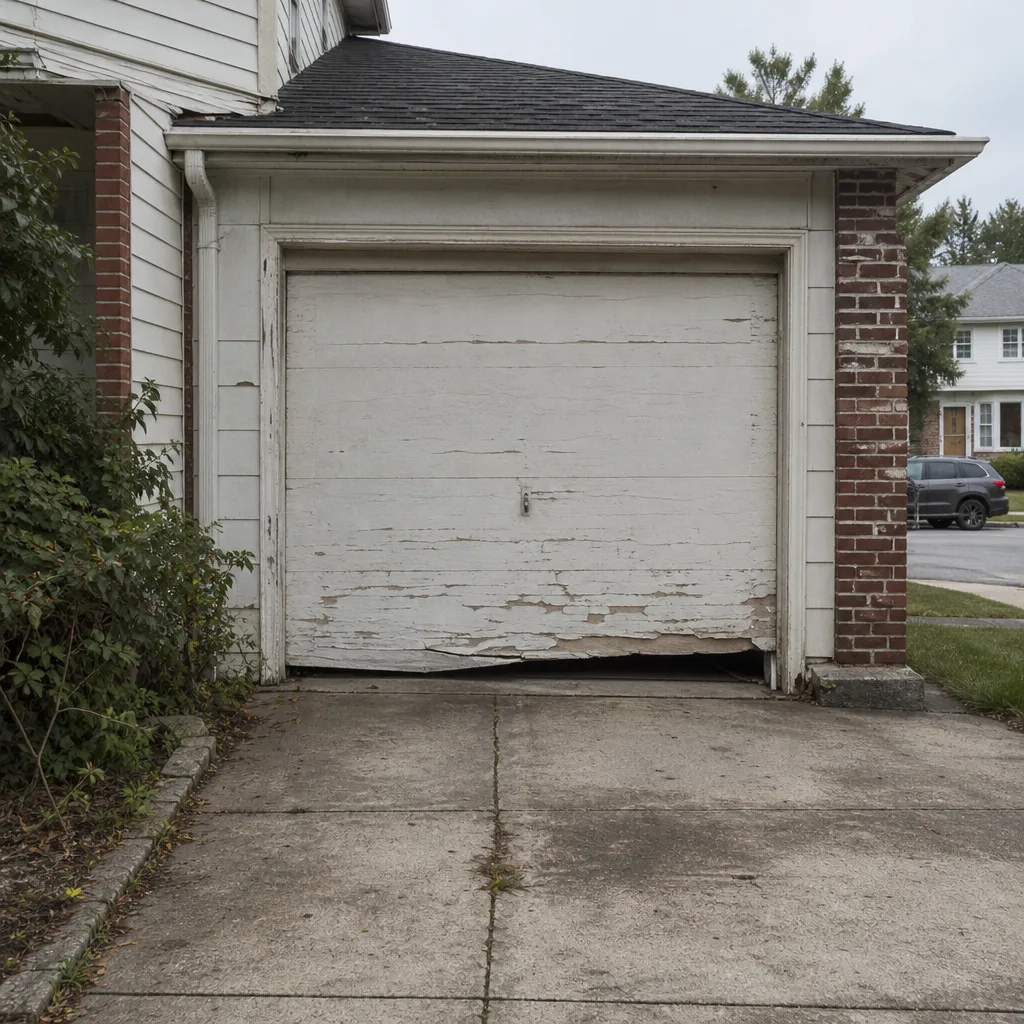 Before
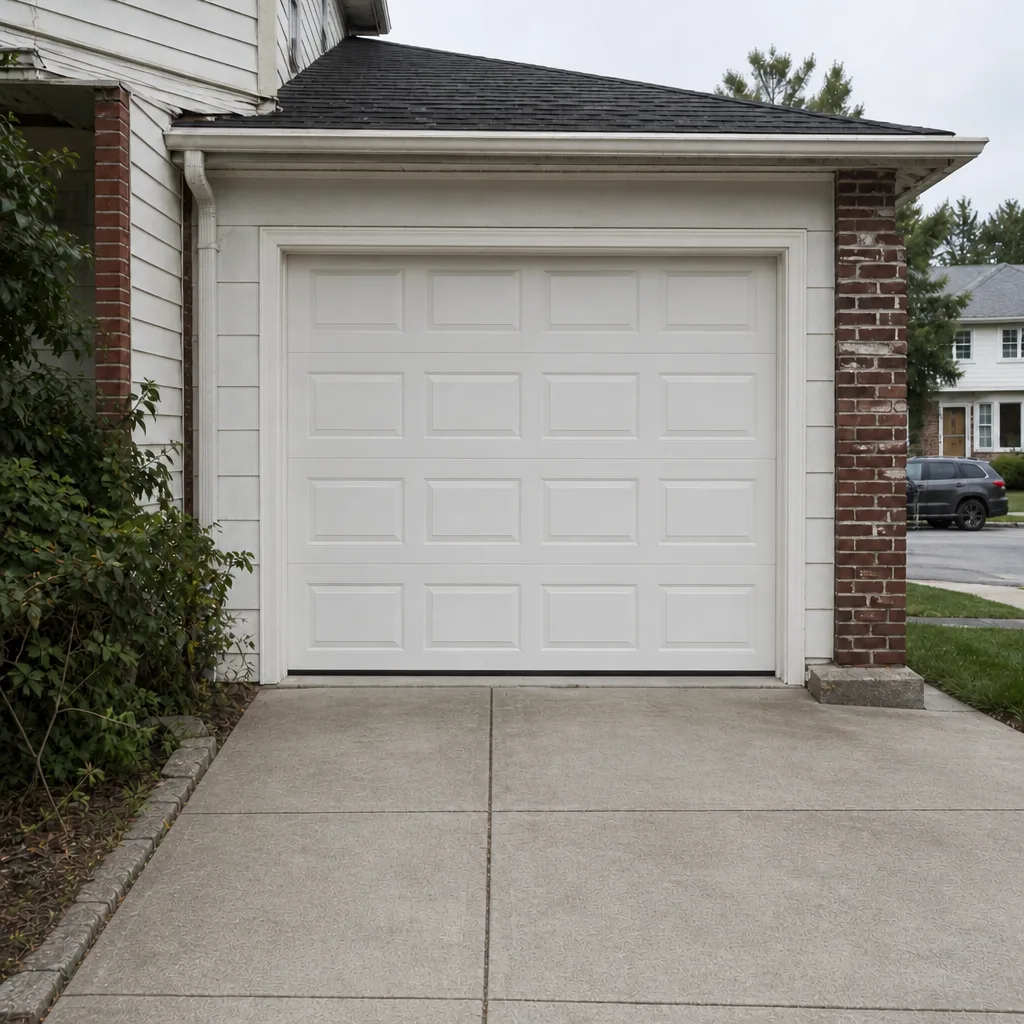 After
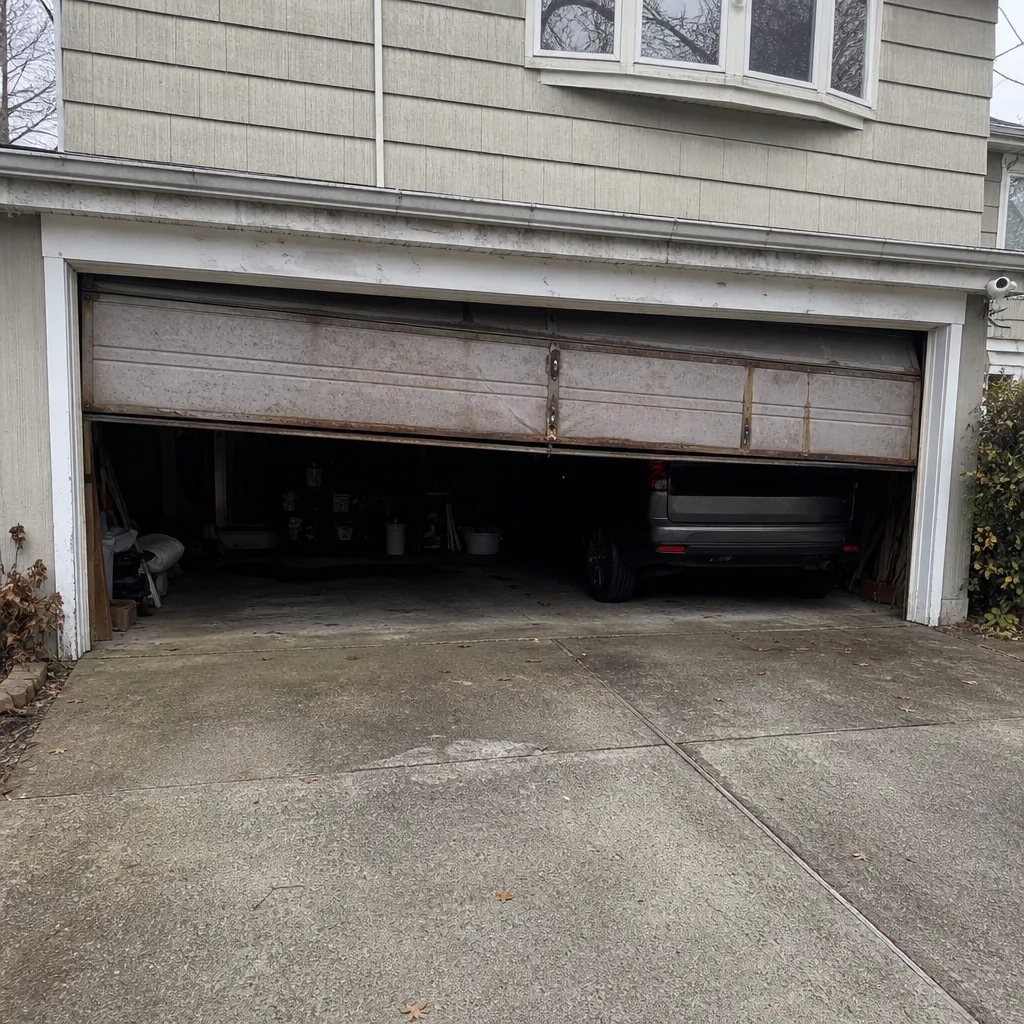 Before
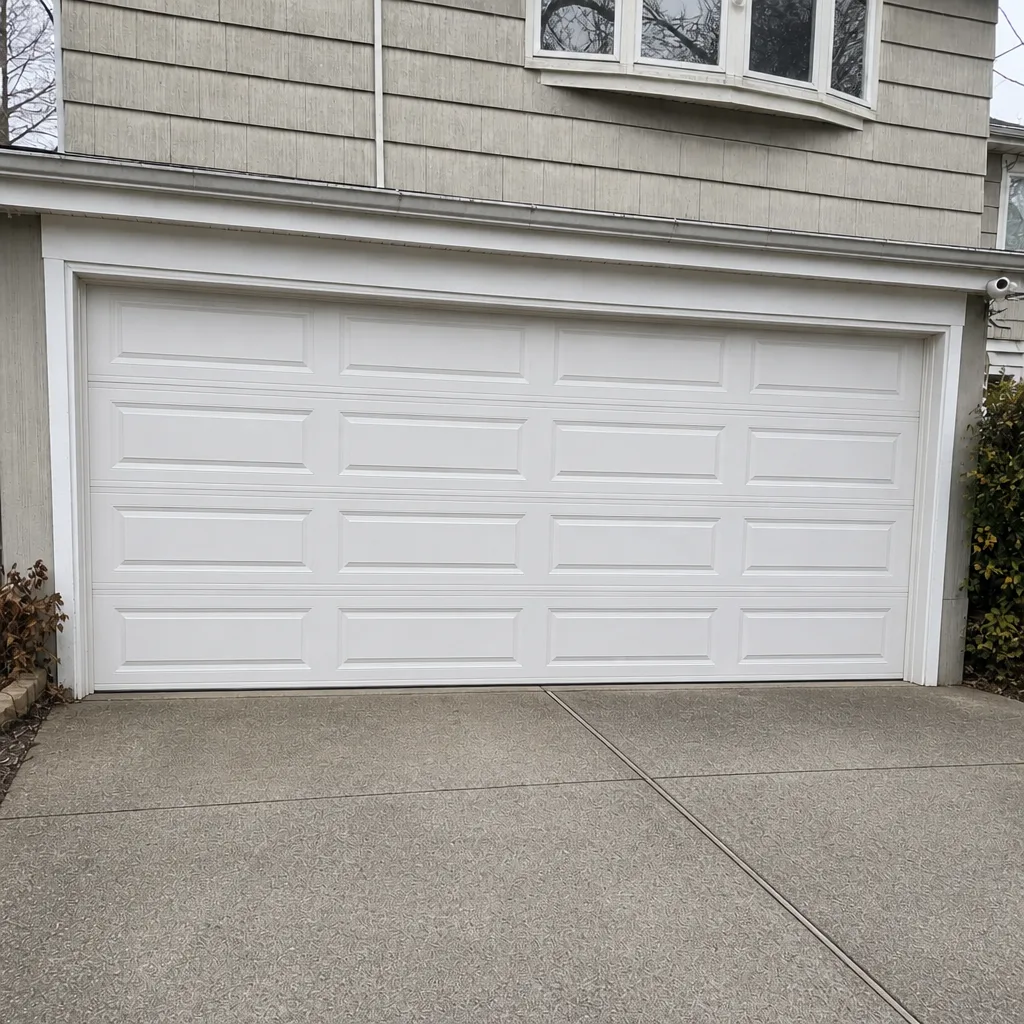 After
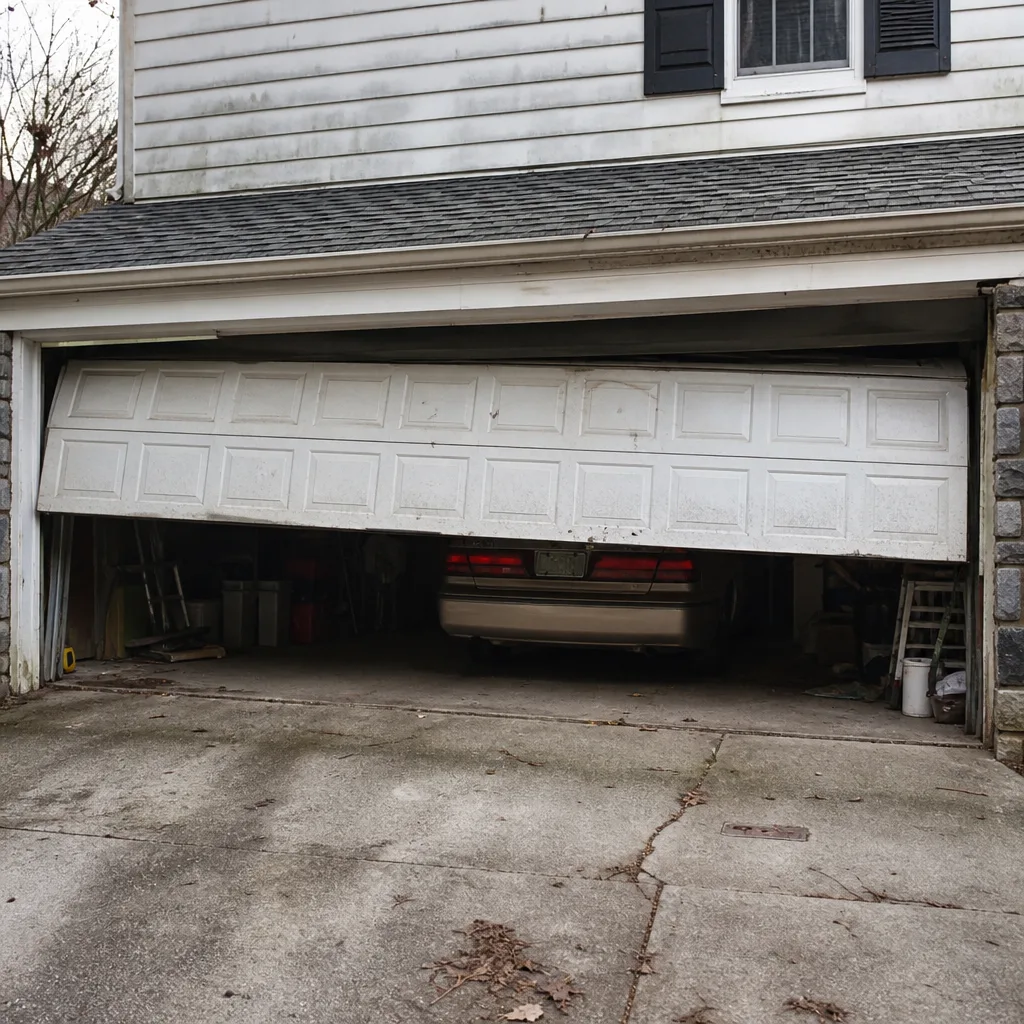 Before
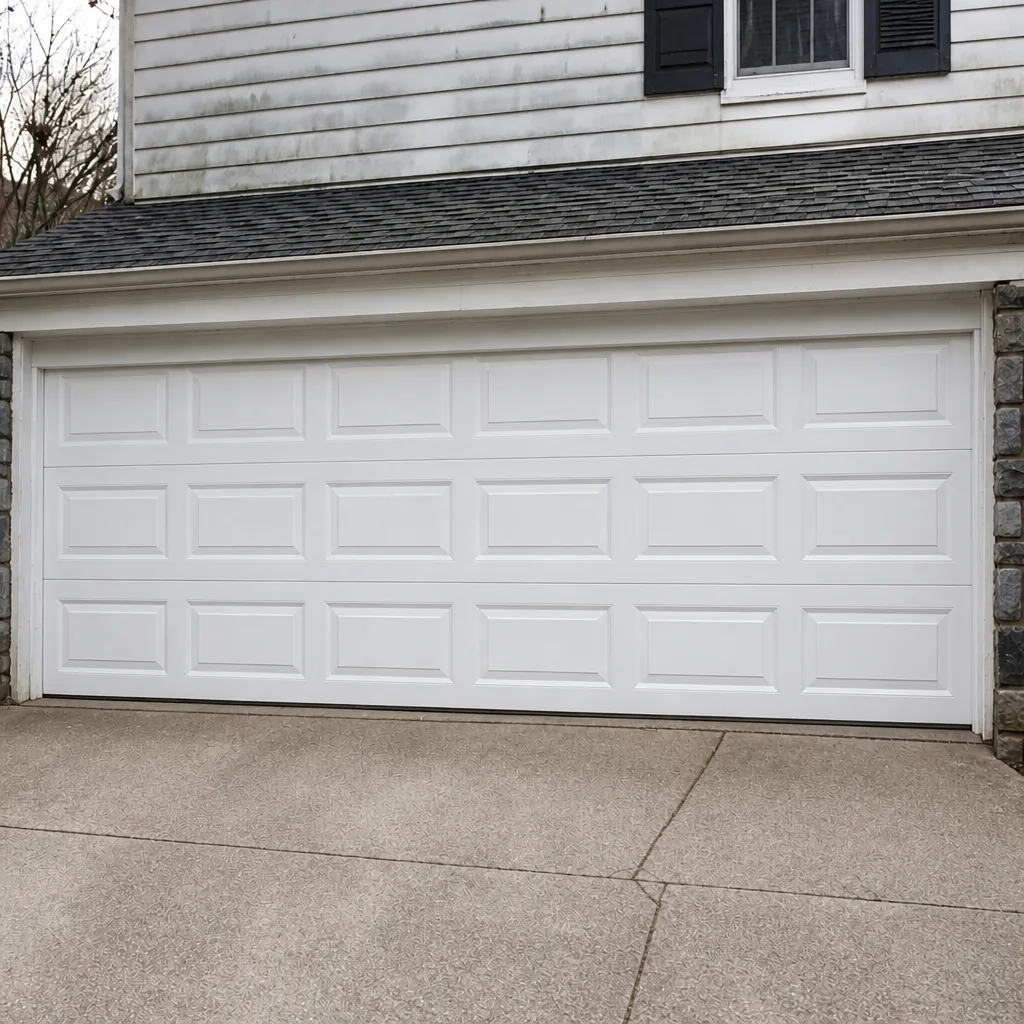 After
When to Call a Professional
Some jobs belong in the hands of a trained technician. Call a professional if you see a broken torsion spring, a slack or frayed cable, a door that’s badly out of balance, a track that’s bowed or off-square, or a door that won’t open or close properly. Also call if you find significant rust or thinning metal on the bottom panel or track, if the opener is straining, hesitating, or throwing error codes, and if your annual inspection is overdue. And call right away if the door fails and you need it secured – the ability to get help when standard hours don’t apply is the reason a dedicated emergency service exists. Garage Door Repair Upper East Side offers free estimates in Upper East Side. Call (877) 492-1824. We answer 24/7, and we dispatch fast from 7am to 7pm, Sunday through Friday.
For heavier work – worn-out openers, failing hardware, or a door at the end of its panel life – we handle garage door installation and replacement from new-door selection through long-term service, so you’re not handed off between companies. If the problem is at the opener, garage door opener repair covers today’s smart, app-controlled systems as well as older hardware.
Frequently Asked Questions
Inspect the door monthly and run a full checklist four times a year, with the late-fall pass being the most important because it’s your last chance to lubricate before the first hard freeze. City conditions – brine, traffic vibration, and low-use doors – speed up wear compared to the suburban schedule most online lists assume, so don’t stretch it to twice a year. Book at least one professional inspection annually. Call (877) 492-1824 for an exact quote on a service visit; estimates are free.
No. Torsion springs and lift cables store enormous mechanical energy, and adjusting or reattaching them without training and the right tools can cause serious injury. You can and should inspect them visually from a safe distance – look for a gap in the spring coil, slack or frayed cables, or a door that’s out of balance – and stop using the door if you find any of those. Spring repair is a job for a trained technician. Call (877) 492-1824 and we’ll get a specialist out to look at it.
Salt damage starts as a chalky white film or a rough spot on the bottom section of the door, then moves into bubbling paint and pitting. Check the bottom seal, the lowest hinges, and the bottom two feet of track for rust, cracking, or a brittle seal. Rinse and dry the lower hardware after heavy brine weeks and re-lubricate afterward. If the seal is cracked through or the panel is pitting, call a professional before it spreads – call (877) 492-1824 for a free estimate.
Constant vibration from buses, trucks, and heavy traffic on Upper East Side streets works loose the screws and bolts that hold hinges, brackets, and the opener’s ceiling mount. Snug the hinge and bracket fasteners by hand while the door is closed, and check the opener rail bolts. Never tighten the lag bolts that anchor the torsion spring or cable drums – those are load-bearing safety components. If the spring anchor or shaft looks loose, call a technician. Call (877) 492-1824 for a free estimate.
Yes, and it needs it more diligently than a door that runs every day. A low-use door lets lubricant dry out, springs sit in one position, and small faults go unnoticed because nobody’s watching the door move. Follow the cold-weather lubrication schedule and check the balance and safety reverse each season. A door that gets used four times a week might not show trouble for months – which is exactly why a scheduled inspection matters. Call (877) 492-1824 to book one; estimates are free.
The price you agree on, in writing, before any work starts is the price you pay. We give a written estimate up front and stick to it – no surprise invoice afterward. If a technician finds something different from what you described, they’ll explain it and get your agreement before doing anything, so nothing gets added to the bill without your say-so. Call (877) 492-1824 for a free estimate.
The Bottom Line
The maintenance checklist that matters for an Upper East Side garage isn’t the generic one. It’s the one written for salt brine on the bottom seal and lower hinges, for traffic vibration working your fasteners loose, and for low-use doors that hide their problems. Inspect monthly, follow the seasonal schedule, keep a simple photo and note log so a technician can spot trends, and never touch the torsion spring or cables yourself. Our technicians have up to 9 years of experience and work on the brands you already have – LiftMaster, Chamberlain, Genie, Clopay, Amarr, Wayne Dalton, Craftsman, and Raynor – so diagnosis is faster and the right parts are sourced without guesswork. Garage doors are all we do. That focus is what keeps a door running quietly through a New York winter.
If any part of your door needs a closer look, or you want a professional inspection to back up your own checks, call Garage Door Repair Upper East Side at (877) 492-1824 for a free estimate. We answer 24/7, with fast dispatch from 7am to 7pm, Sunday through Friday.
Written by the team at Garage Door Repair Upper East Side.