
Last updated November 21, 2026
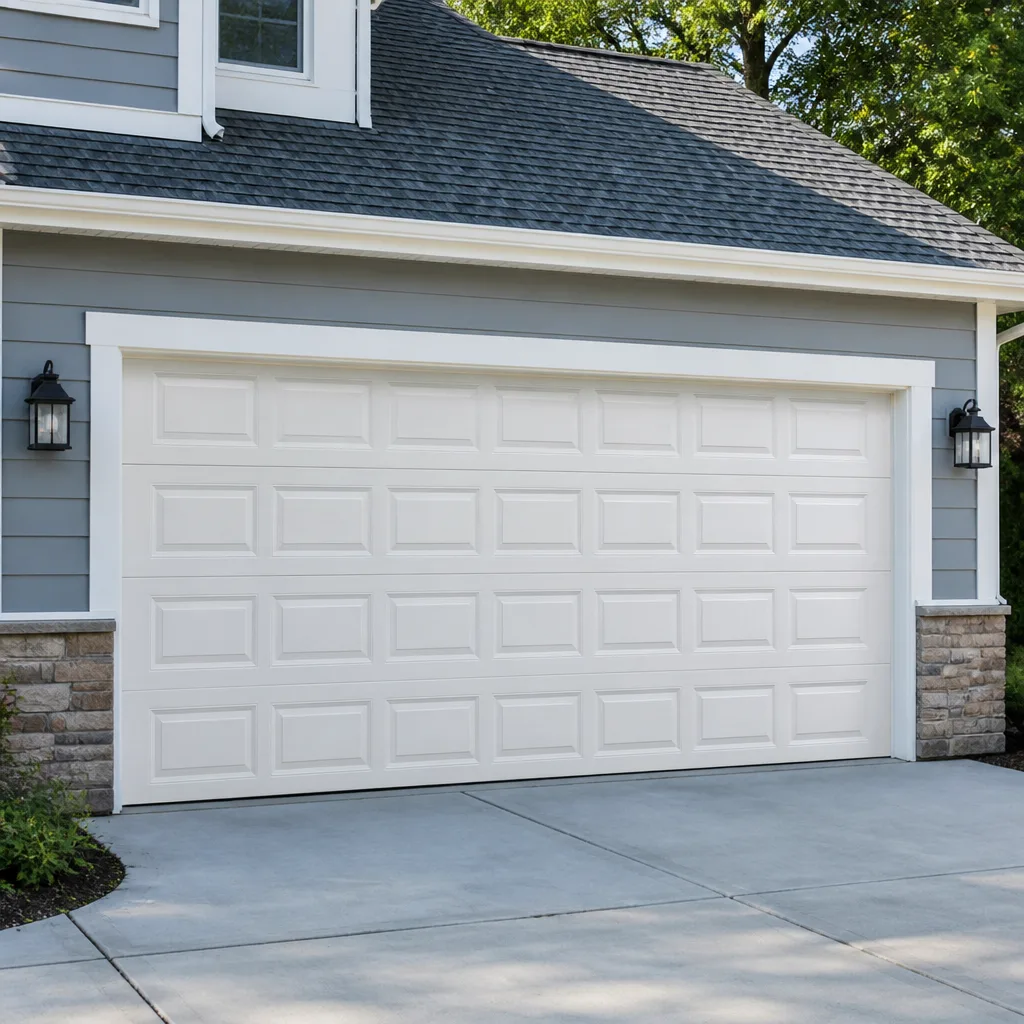 Raised-panel steel
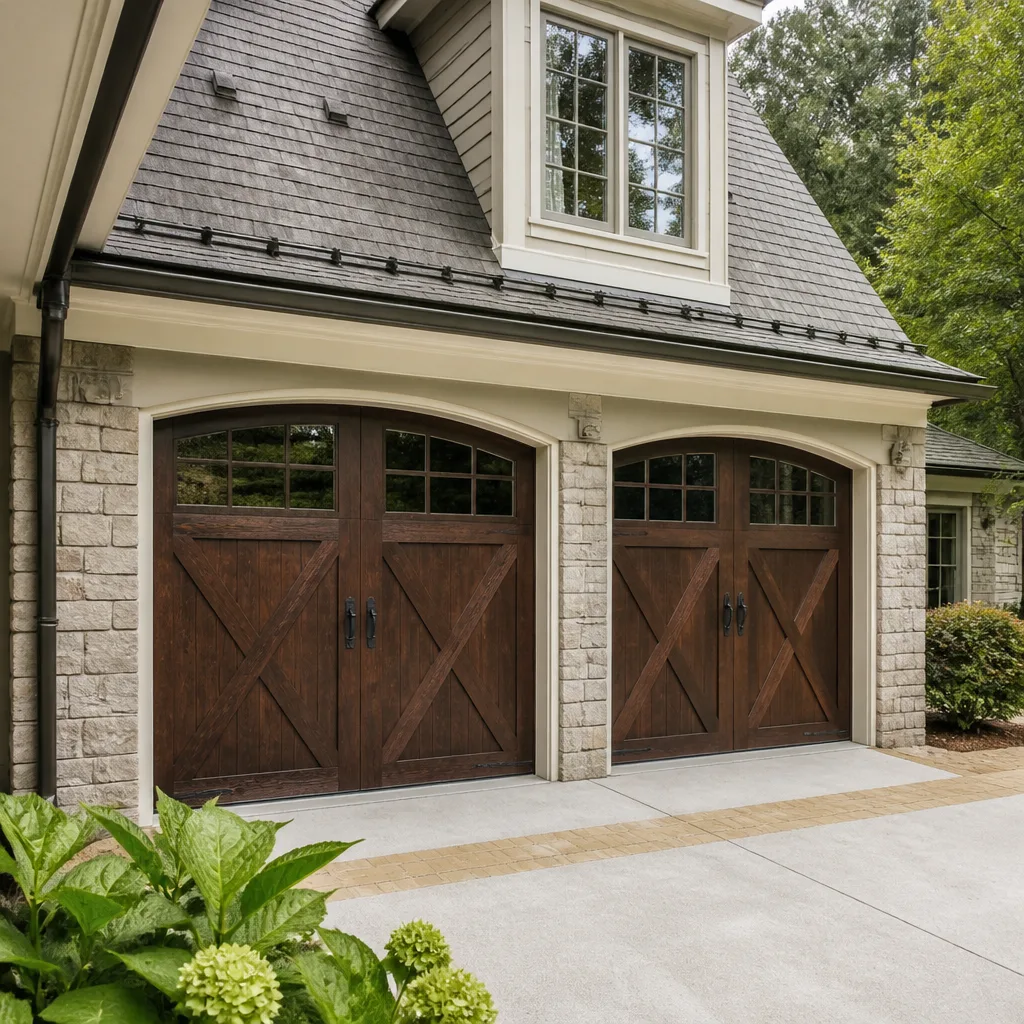 Carriage house
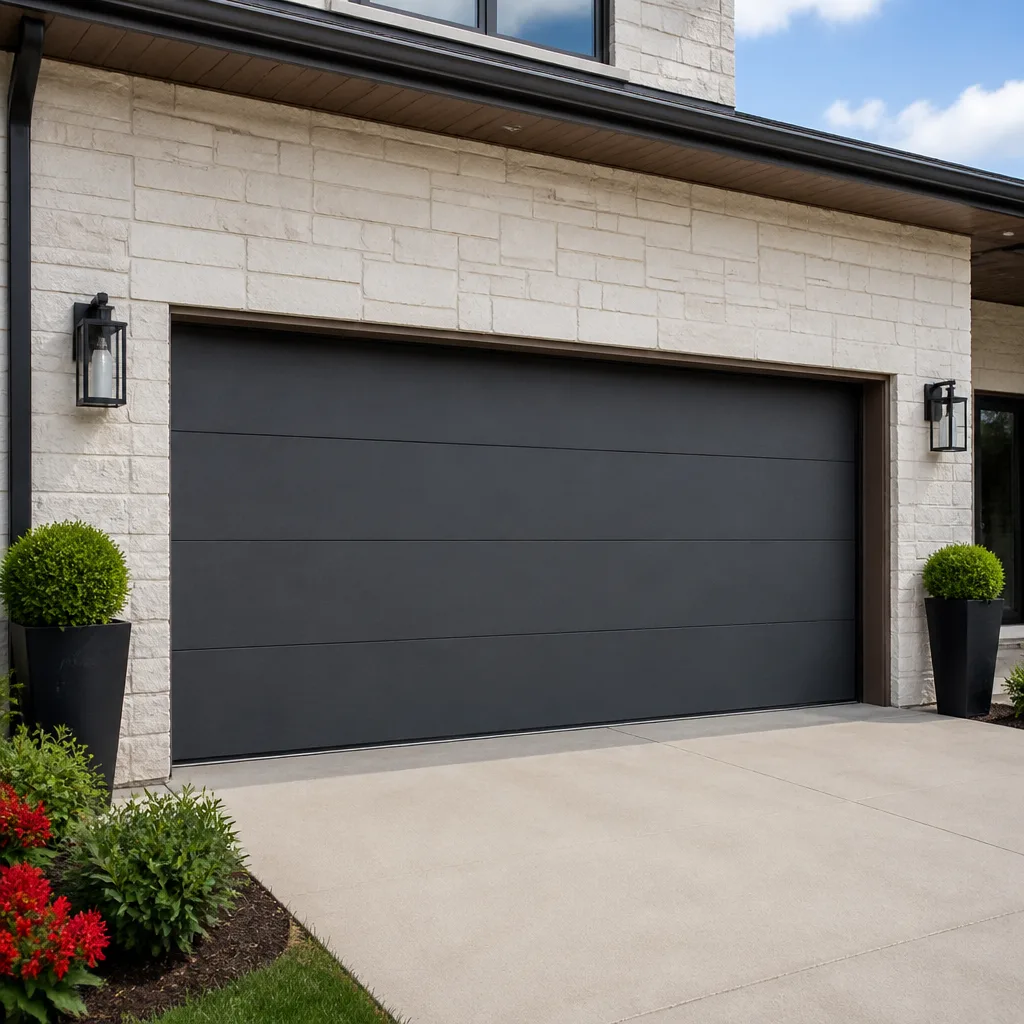 Modern flush
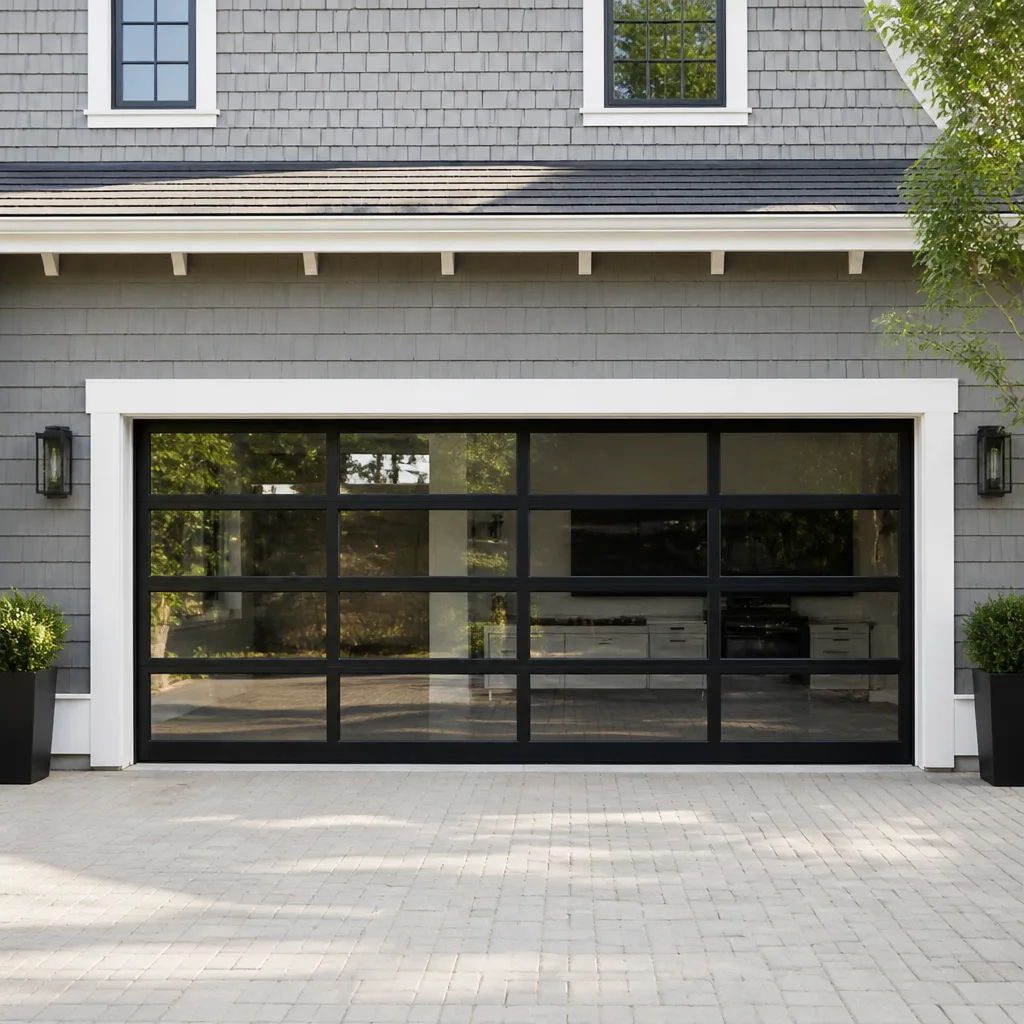 Full-view glass
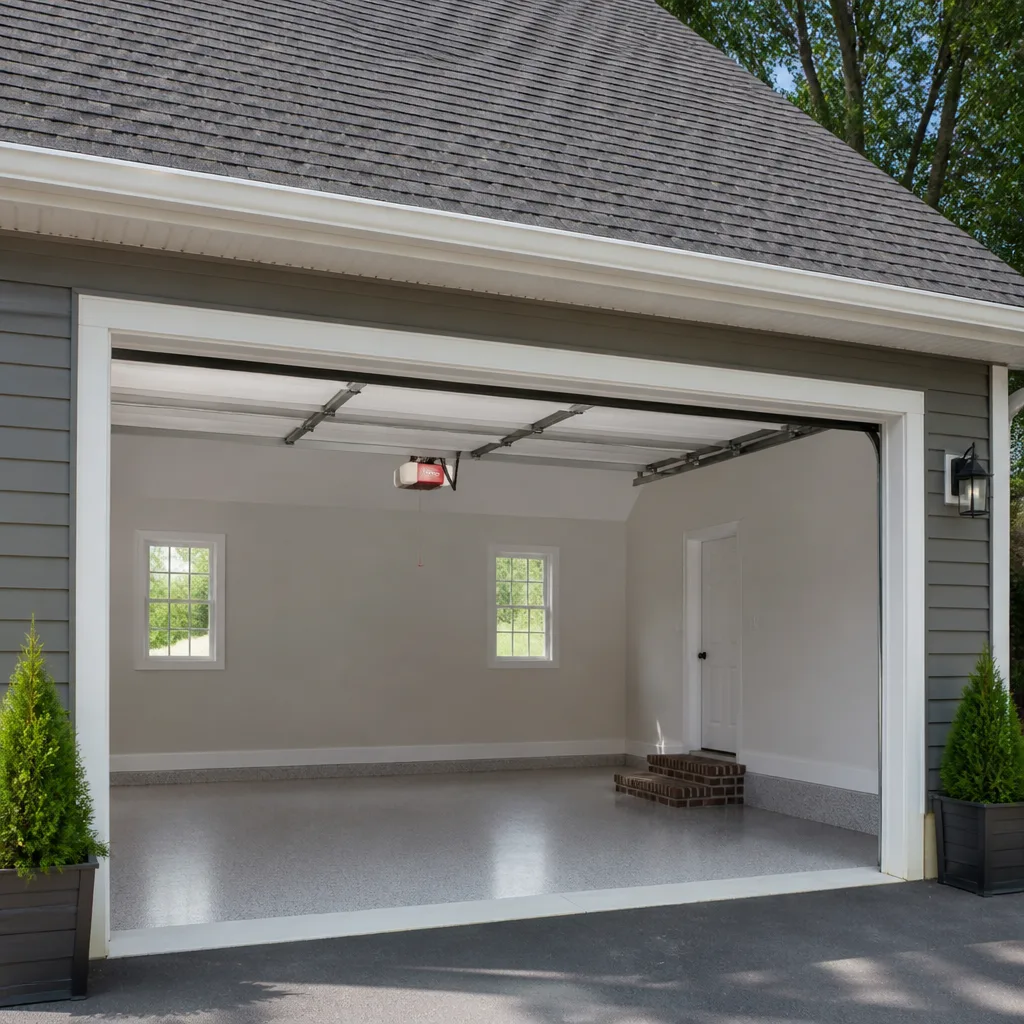 LiftMaster openers
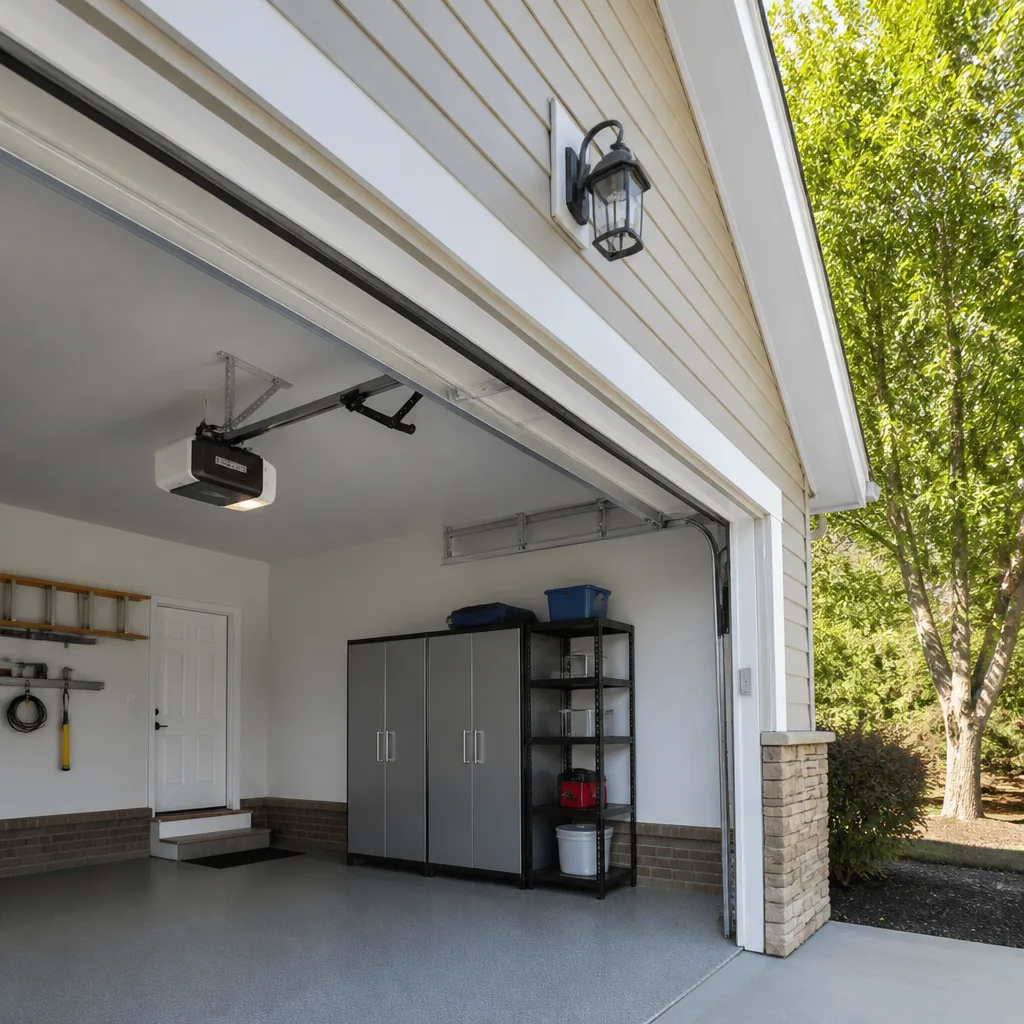 Chamberlain openers
Full 25-point door and opener safety check with every visit - springs, cables, rollers, tracks, and your LiftMaster or Chamberlain opener included
You get a price before we start. It does not change when the pro arrives.
Get your free estimateThe Complete Guide to Garage Doors in Upper East Side
Most garage door guides are written for suburban ranch homes with two-car driveways and a wide apron of concrete in front. The Upper East Side is not that, and treating it like it is leads to wrong parts, failed inspections, and work that has to be redone. Here, a garage door might close off a below-grade parking bay under a brownstone, slide sideways in a townhouse carriage house, or roll up in a tight clearance basement entry with barely an inch to spare. This guide maps the full picture for Upper East Side homeowners and property managers: how the local door types actually differ, what co-op and condo boards will ask of you, where landmark rules shape materials, and how to tell a true specialist from a generalist with a ladder.
Quick Answer
A garage door in Upper East Side is typically a compact sectional, roll-up, or swing-out carriage style built for tight urban clearances, and getting it serviced correctly depends on knowing your specific configuration, your building’s approval rules, and whether your address falls in a landmark district. Most repair work is straightforward once the right technician sees the right setup, and a replacement rarely goes ahead without board sign-off or, on landmark blocks, preservation review. The short version: match the door type to the space, get approvals before you order, and use a garage door specialist rather than a general contractor.
Styles & brands we work with
- Raised-panel steel
- Carriage house
- Modern flush
- Full-view glass
- LiftMaster openers
- Chamberlain openers
Table of Contents
- How Upper East Side Garages Differ From Suburban Setups
- Which Door Types Actually Work in Upper East Side Buildings
- Co-op and Condo Board Approval for Door Replacements
- Landmark Preservation Rules and What They Mean for Your Door
- What a Full-Service Garage Door Specialist Means in the City
- What Garage Door Work Typically Costs in Upper East Side
- Routine Care for Upper East Side Garage Doors
- Repair or Replace? A Decision Framework
How Upper East Side Garages Differ From Suburban Setups
In the suburbs, a garage door is usually a wide sectional slab framed into a two-car opening with generous headroom and visible tracks running back into the ceiling. On the Upper East Side, almost none of that applies. A large share of residential garages here are tucked under townhouses, behind carriage-house facades, or carved into a below-grade level where the ceiling is low, the sides are close, and the entire mechanism has to work in a fraction of the space a suburban door enjoys.
Those constraints change everything about how a door is built and repaired. Three patterns come up again and again:
- Side-mount torsion systems. Where there’s no ceiling height for a standard shaft across the top of the opening, some townhouse doors use a side-mounted torsion setup. Servicing these requires knowing the different geometry and the different spring configuration – it isn’t a straight swap with a ceiling-mounted unit.
- Below-grade entries. Parking bays under brownstones and larger buildings often sit at a lower level, where moisture behaves differently and the door has to seal against a wall that isn’t perfectly square. Tight tolerances mean a door that’s a fraction off will rub or bind.
- Narrow clearance bays. Single-car openings squeezed between structural walls leave very little room for track, hardware, or a technician’s hands. Compression and fit matter more here than raw door size.
What this means practically: the door you’ll find on an Upper East Side building usually isn’t a stock width pulled off a shelf, and the diagnosis has to start with the actual opening. When we look at a door here, we measure the opening, identify the spring type and mounting, and check the headroom before we quote anything. If a technician arrives assuming a standard residential layout, they’ll often order the wrong spring, the wrong track, or the wrong operator – and you pay for that guesswork in repeat visits. Garage doors are all we do, so we start from the constraints rather than the catalog.
Which Door Types Actually Work in Upper East Side Buildings
Not every door style fits a city garage. The choice usually comes down to how much space you have above and behind the opening, whether the door faces the street, and how the building is allowed to look from the sidewalk. Here’s how the main types shake out for Upper East Side homes.
Sectional doors
The most common choice for below-grade and under-building bays, because the panels travel up and back on tracks rather than swinging out. They seal reasonably well against weather, work with standard LiftMaster and Chamberlain openers, and are easy to insulate. The constraint is headroom: a low ceiling may require a low-headroom track configuration.
Roll-up doors
Roll-up doors coil tightly above the opening and need almost no depth behind them, which makes them a fit for very shallow below-grade spaces and narrow clearance bays. They’re simple and dependable, though the visual style is more utilitarian and may not suit a visible carriage-house facade.
Swing-out carriage doors
On townhouses and converted carriage houses, swing-out doors that open like barn doors can be the right period-appropriate match. The trade-off is that they need clearance in front to swing, and they’re heavier to automate. Many Upper East Side carriage doors are operated manually or with careful hardware rather than a modern sectional operator.
Before you commit to a type, answer three questions: how much headroom do you have above the opening, how much depth behind it, and does the door face a landmark-visible street. If you’re replacing an existing door, that type is usually the sensible base unless it’s the source of the problem. Our installation work starts with a free measure of the actual opening, because ordering a door to a nominal size is how replacements end up not fitting in buildings like these.
Co-op and Condo Board Approval for Door Replacements
If you own in a co-op or condo, the garage door is rarely purely your call – especially if it faces a shared driveway, connects to a common area, or is visible from the street. Boards care about exterior appearance, structural changes, and the building’s uniform look, and most have a process for reviewing any alteration that touches a shared or street-facing element.
In practice, a replacement door usually moves through a sequence like this:
- Ask for the alteration policy. Get the board’s or managing agent’s written rules on exterior changes and any approved-contractor list before you shop for a door.
- Submit a description. Provide the door type, material, color, and whether the mechanism is changing. A photo or spec sheet helps the board picture the result.
- Confirm insurance and licensing. Boards often ask for proof that the contractor is licensed and insured as the state requires before work is scheduled. The local professional we connect you with carries that documentation.
- Wait for written approval. Don’t order or install until approval is in hand – ordering early is the most common way residents lose time and money on a replacement.
- Schedule after sign-off. Once approved, the measure-confirm-order-install sequence can proceed cleanly.
Condos vary more than co-ops; some treat a door as unit property, others as a limited common element. If you’re a property manager coordinating for a building, it’s worth mapping the approval chain early so the door and the paperwork land together. A garage door specialist who’s used to city buildings will know which documents boards typically want and can provide specs quickly.
Landmark Preservation Rules and What They Mean for Your Door
Parts of the Upper East Side sit within historic districts, and on those blocks an exterior change like a new garage door may fall under preservation review. The rules aren’t meant to make the work impossible, but they do shape what materials, colors, and styles are acceptable on a street-facing element. The single most useful step is to confirm your building’s status before you choose a door.
How to check and proceed:
- Find out whether your block is in a historic district. Your building department, your managing agent, or the local preservation body can confirm the designation.
- Match the existing character. Where a facade is protected, a period-appropriate carriage style or a color and material that matches neighbors is far more likely to be approved than a bright modern panel.
- Ask about the permit. Most cities require a permit for structural or exterior changes, and the rules vary, so ask your city’s building department what applies to your address before ordering.
- Keep the paperwork with the job. Preserve approval letters and inspection records – they help if the door is ever revisited.
Aesthetics aren’t the only concern. On a protected facade, a door that reads clearly as “new and out of place” tends to draw scrutiny, while a door whose style fits the block usually moves through review more smoothly. In our experience on Upper East Side blocks, the replacement jobs that go well are the ones where the type, material, and finish were chosen with the block’s look in mind, not just the spec sheet.
What a Full-Service Garage Door Specialist Means in the City
In a dense urban market, “full-service” gets thrown around loosely. The distinction that matters is whether the person arriving actually works on garage doors for a living, or is a general contractor who also handles doors between roofing and plumbing jobs. That difference shows up in diagnosis speed, in whether the right part gets sourced the first time, and in who’s accountable if it doesn’t.
A dedicated specialist brings a few things a generalist doesn’t:
- Brand fluency. We’re familiar with the systems homeowners here actually have – LiftMaster, Chamberlain, Genie, Clopay, Amarr, Wayne Dalton, Craftsman, and Raynor. Knowing the brand means fewer surprises when we open the opener housing or look at the spring assembly.
- Correct parts sourcing. Springs, tracks, and operators are matched to the door, not guessed. On a tight clearance bay, an approximate part is a return visit.
- Named spring specialty. Spring repair is the highest-tension, highest-risk repair on any door, and it’s a task many generalists avoid or under-skill. We handle it as a standalone specialty.
- Smart-opener knowledge. Homeowners with connected, app-controlled systems need someone fluent in LiftMaster and Chamberlain smart lines, not just legacy hardware.
Full-service here also means the whole arc: from new door selection through installation and long-term service with one point of contact. When the door won’t move, we move fast – emergency garage door repair is a real, active offering, not an upsell. You can reach us through garage door repair for everyday issues, but diagnosis starts from what’s actually on your building. Garage doors are all we do, and that’s the difference between a specialist and a pickup truck full of assorted tools.
What Garage Door Work Typically Costs in Upper East Side
Upper East Side garage door work is priced per job, and the ranges below are typical estimates for the city market rather than fixed prices. The written estimate you receive after a visit sets the final price, and it’s quoted and agreed before any work starts. Because city configurations vary so much – side-mount springs, tight bays, low headroom – a phone estimate is only a starting point; the measure or inspection confirms it.
| Service | Typical estimated range |
|---|---|
| Spring replacement (one spring) | $180-$340 |
| Spring replacement (matched pair, usually replaced together) | About twice the single-spring price |
| Opener repair | $120-$280 |
| New opener installation (LiftMaster or Chamberlain smart line) | $300-$650 |
| Sectional door installation (standard single-car) | $900-$2,200 |
| Custom or carriage-style door installation | Quoted after measure |
A few things drive cost up or down here. Single-spring and matched-pair spring jobs are the most common repair, and a pair is usually replaced together because matched springs wear at the same rate. Custom or period-appropriate carriage doors are quoted after a measure because the material and mechanism vary widely on townhouses. Remember that a spring price is for one spring; a pair costs roughly double that, and a written estimate spells out which one you’re getting.
The question we hear most after the breakdown is whether the invoice will match the quote. It will – the price is quoted and agreed before any work starts. If we find something extra mid-job, we stop and re-quote rather than adding it silently. For an exact estimate on your Upper East Side door, call (877) 492-1824. Estimates are free.
Routine Care for Upper East Side Garage Doors
You can head off most city garage door trouble with a short, regular check. Because Upper East Side doors often work in tight, sometimes damp below-grade spaces, the wear points to watch are slightly different from a suburban door’s.
- Listen for balance. A door that bangs, jerks, or needs a hand to help it up is telling you the spring or cable is tired. Don’t try to adjust the spring yourself – call a technician.
- Clear the tracks. Grit and debris accumulate faster in below-grade entries. Keep tracks free of grit and check that rollers move freely.
- Watch for moisture. Damp below-grade spaces can affect hardware. Look for rust on springs and hinges and mention it when you call.
- Test the opener safety feature monthly. On LiftMaster and Chamberlain systems, check that the door reverses when it meets an obstruction, and replace the battery in the wall control if it’s a smart unit.
- Check the seal. Weatherstripping on below-grade doors is what keeps out drafts and water; if it’s cracked, it’s a quick fix and prevents bigger problems.
The spring is the one component you should never touch beyond a visual check. A torsion spring holds enough tension to cause serious injury, and the professionals who service these safely are the ones trained for it. If anything about the door’s movement feels off, call (877) 492-1824. We answer 24/7. Fast dispatch from 7am to 7pm, Sunday through Friday.
Repair or Replace? A Decision Framework
The repair-versus-replace call is usually clearer than it feels when you work through it in order.
- Repair if the problem is one component. A single failed spring, a dead opener, a bent track, or a bad seal is almost always a repair, and often a same-day one.
- Replace if the door structure is failing. If panels are rusted through, the frame is warped, or repeated repairs are piling up, a new door is the better spend.
- Consider the whole system. A sound door with an aging opener is a partial upgrade: keep the door, replace the opener with a LiftMaster or Chamberlain model that matches how you use it.
- Factor in the approval chain. On a co-op, condo, or landmark block, replacement needs board or preservation sign-off first, which can add time – so start the process early if replacement is the direction.
- Get a measure before deciding on a custom door. A free measure tells you what actually fits, which is the honest basis for a section or carriage-style decision.
One practical note: in city buildings, the replacement door may need a custom size, so a wrong ordering decision is costly. That’s why we measure and confirm specs before anything is ordered. If you’re near a repair call, start there – garage door opener repair is the fastest route when the opener is the culprit.
Common Mistakes to Avoid
- Ordering a door to a nominal size. City openings are often not standard. Guessing the width and mounting before a measure is the fastest way to waste a deposit – always measure first.
- Skipping the board before buying. On a co-op or condo, ordering before board sign-off can mean a door you can’t install. Get written approval first.
- Ignoring landmark designation. Replacing a door on a protected block without checking preservation rules can mean the work gets flagged. Confirm your block’s status before choosing materials and color.
- DIY spring work. Torsion springs hold serious tension. This is a job for a trained technician, not a homeowner with a ladder – it’s the most common way people get hurt.
- Hiring a generalist for a brand-specific system. A technician unfamiliar with LiftMaster, Chamberlain, or your door’s brand can misdiagnose and mis-order parts, creating repeat visits.
- Treating spring pairs as singles. Replacing one spring on a matched pair leaves the older one to fail soon after. Replace matched springs together.
- Letting moisture go unchecked below grade. Damp parking bays rust springs and hinges. A quick visual check now saves a repair later.
See the difference
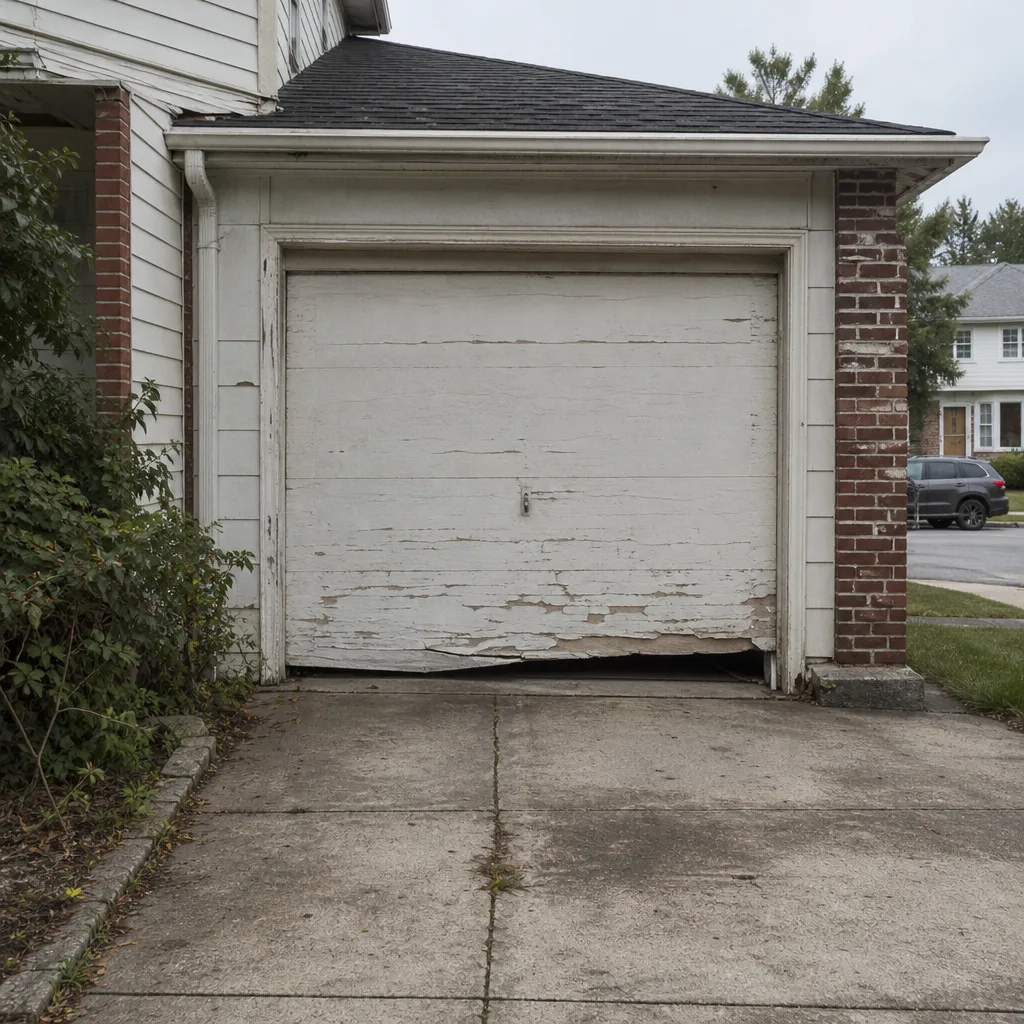 Before
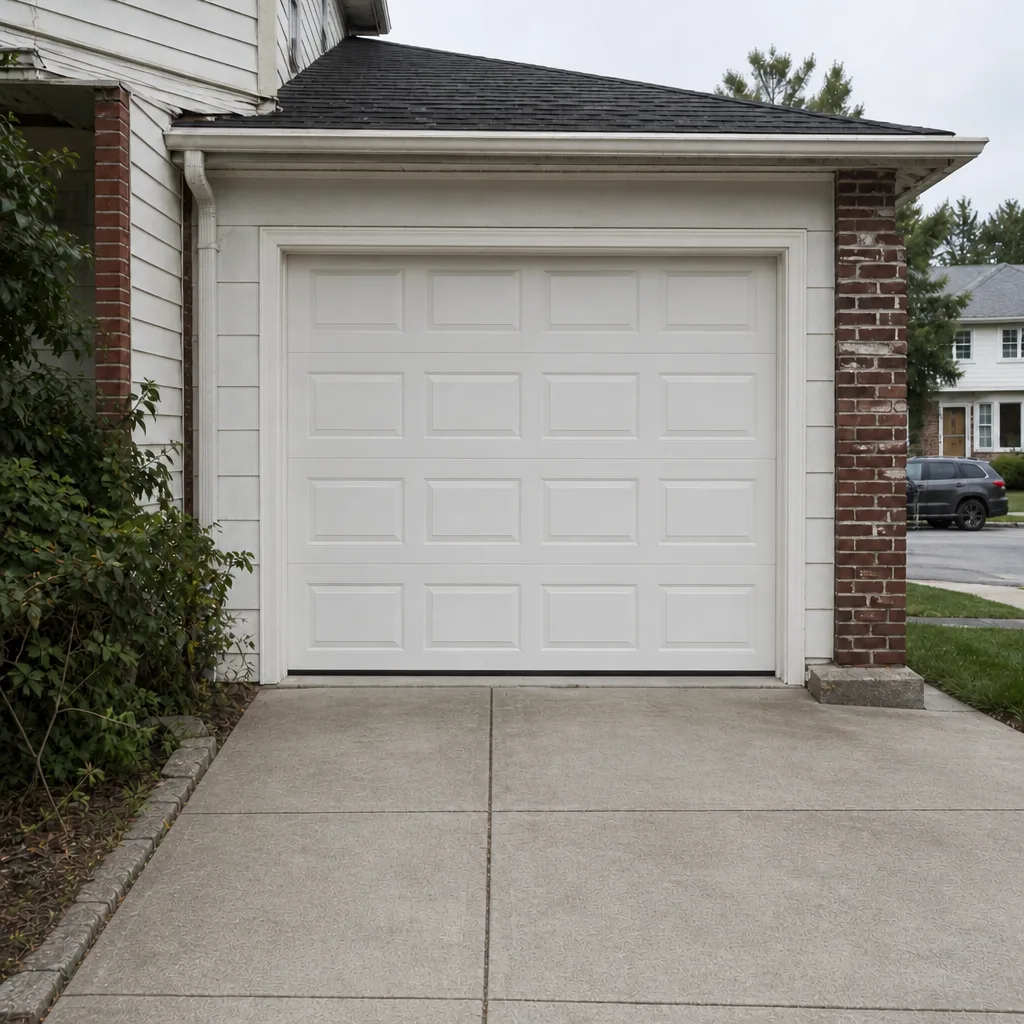 After
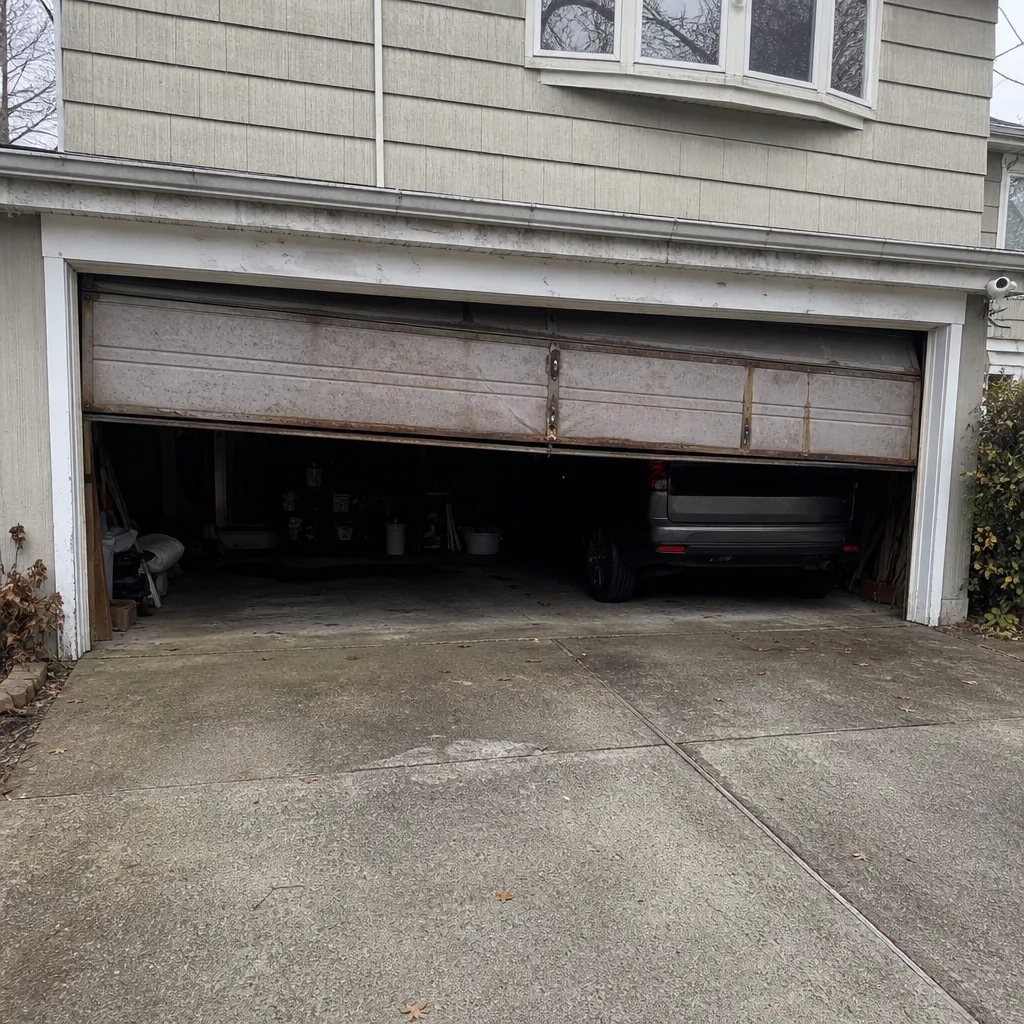 Before
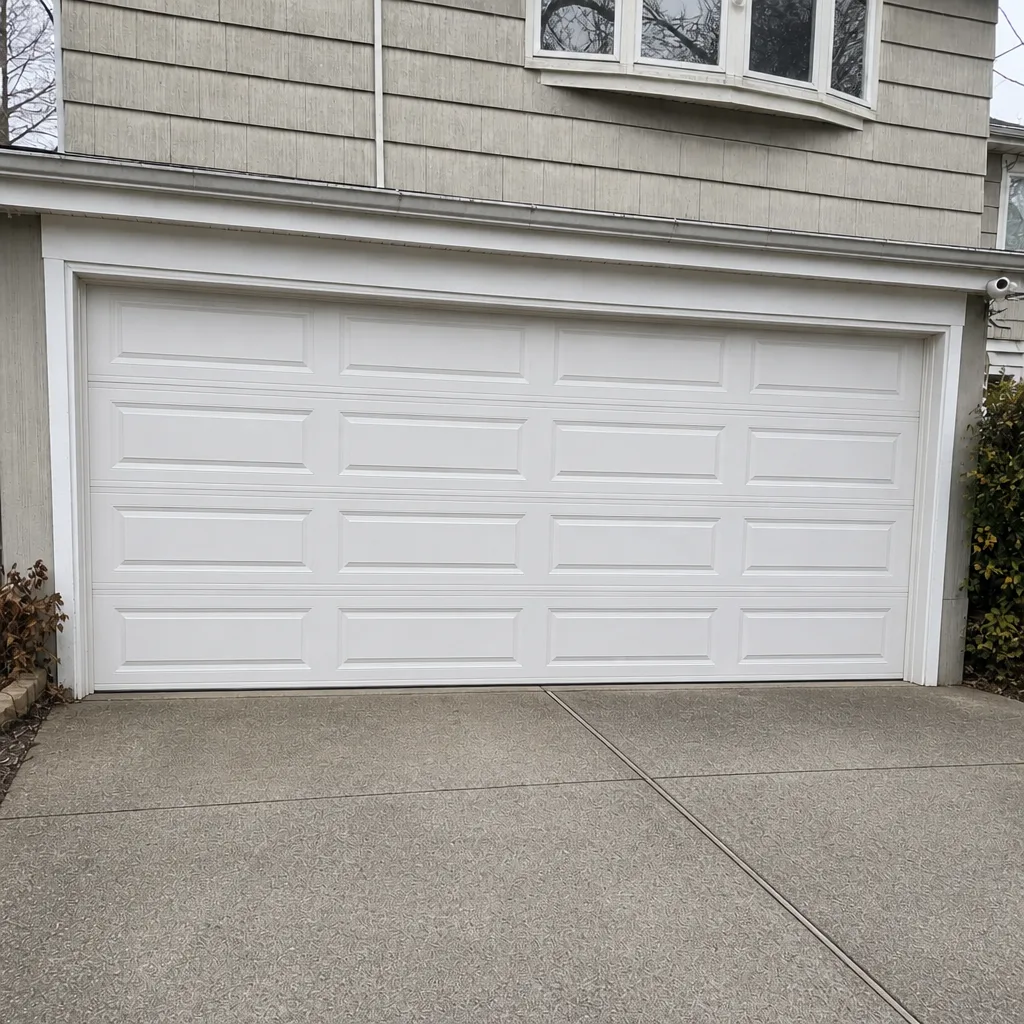 After
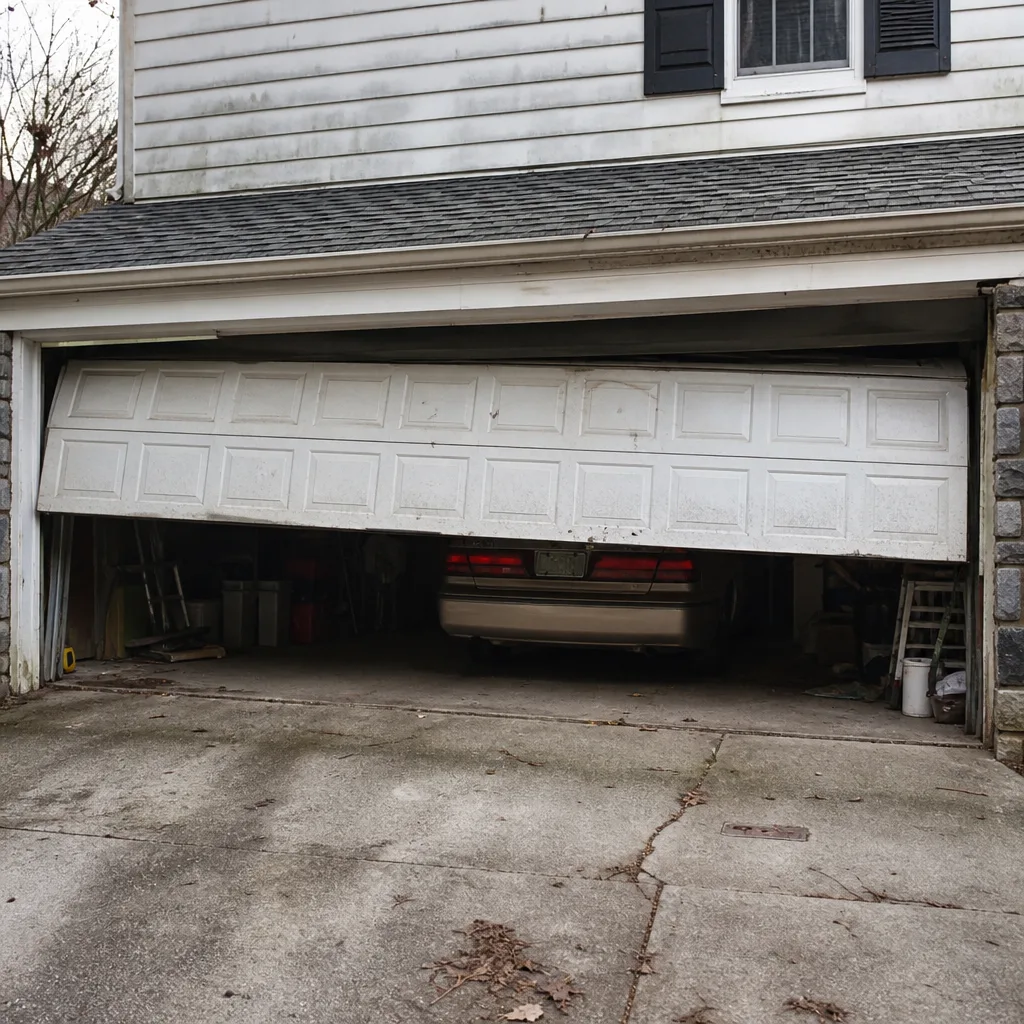 Before
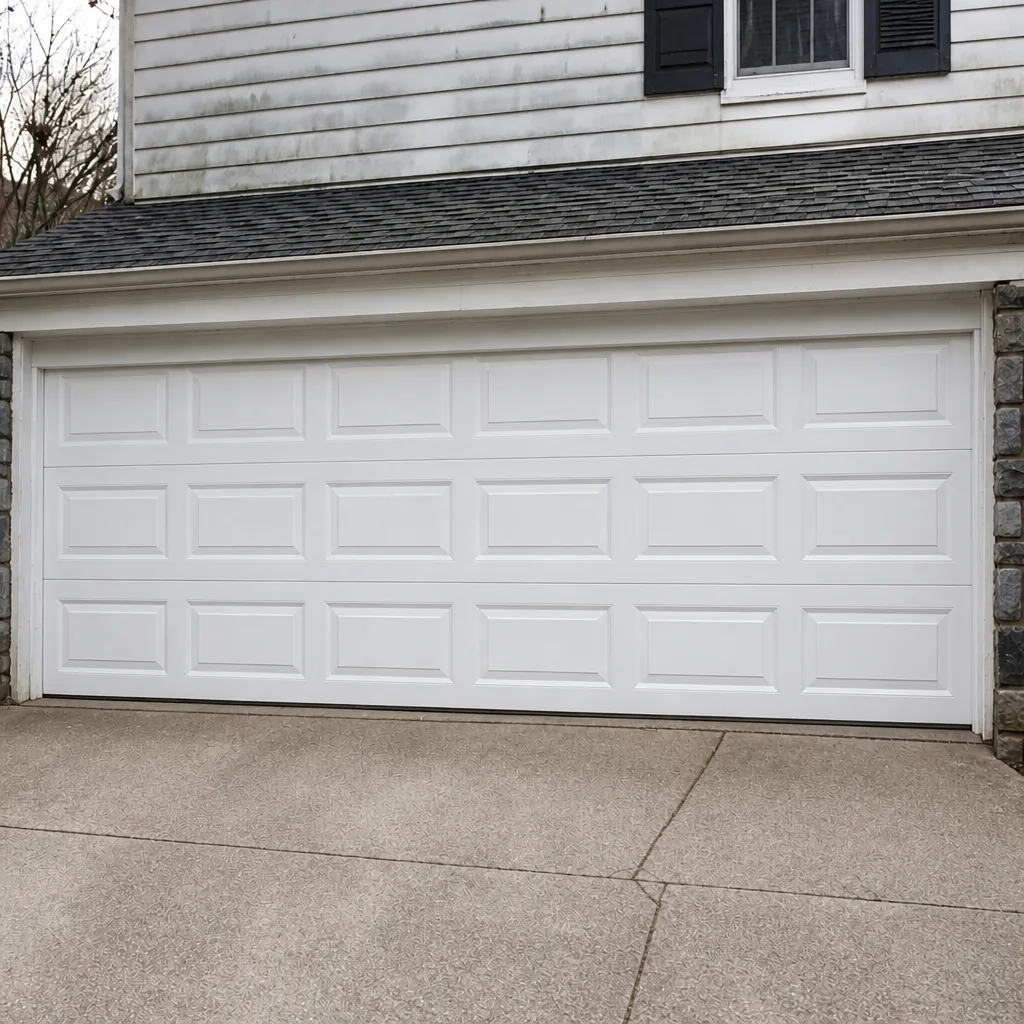 After
When to Call a Professional
Some situations call for a professional without delay: a door that won’t open or close, a snapped spring, a door that’s come off its track, a garage door that opens unevenly or drops fast, or an opener that runs but won’t move the door. Anything involving the spring, cable, or track alignment belongs in trained hands – these components store serious force. If the door is your building’s only vehicle access, a failure is a security and access issue, not just an annoyance, and we treat it that way. Emergency garage door repair is a genuine, active offering here. Garage Door Repair Upper East Side offers free estimates in Upper East Side – call (877) 492-1824. We answer 24/7. Fast dispatch from 7am to 7pm, Sunday through Friday.
Frequently Asked Questions
Most common repairs in Upper East Side fall into typical ranges of $120-$340 depending on the component – spring replacement for one spring is roughly $180-$340, a matched pair about twice that, and opener repair $120-$280. The written estimate sets the final price, quoted and agreed before work starts. Call (877) 492-1824 for an exact quote – estimates are free.
Yes, same-day service is available on many repair calls. We answer 24/7, with fast dispatch from 7am to 7pm, Sunday through Friday; a call outside dispatch hours is booked into the next opening, Sunday through Friday, 7am to 7pm. Call (877) 492-1824 and we’ll find the soonest slot.
No – the price is quoted and agreed before any work starts, and the written estimate sets it. If something extra is found mid-job, we stop and re-quote rather than adding it silently. Call (877) 492-1824 for a free estimate.
Yes. We’re familiar with the smart, Wi-Fi-enabled LiftMaster and Chamberlain lines as well as legacy systems, along with Genie, Clopay, Amarr, Wayne Dalton, Craftsman, and Raynor. We work on the brand you already have. Call (877) 492-1824 to book an opener diagnosis.
Usually yes, if the door is exterior-facing or touches a shared element. Get the alteration policy in writing and board approval before ordering. Call (877) 492-1824 and we’ll help you gather the specs your board will want.
The local professionals we connect you with are licensed and insured as the state requires, and our technicians have up to 9 years of experience. For an exact quote on any job, call (877) 492-1824 – estimates are free.
The Bottom Line
An Upper East Side garage door is a different animal from a suburban one, and the guide’s core points bear repeating: match the door type – sectional, roll-up, or swing-out carriage – to your headroom, depth, and clearance; clear co-op, condo, or landmark approval before you order; and choose a garage door specialist who knows your brand rather than a generalist. Prices are estimates set by a written quote agreed before work starts, and the spring is the one part you should never touch yourself. When you need help, whether it’s a repair, a new door, or an opener, we’re here.
If your door needs attention, call Garage Door Repair Upper East Side at (877) 492-1824 for a free estimate. We answer 24/7. Fast dispatch from 7am to 7pm, Sunday through Friday. Our technicians have up to 9 years of experience, we work on the brand you already have, and we also handle full garage door installation when repair no longer makes sense.
Written by the team at Garage Door Repair Upper East Side.