
Last updated November 21, 2026
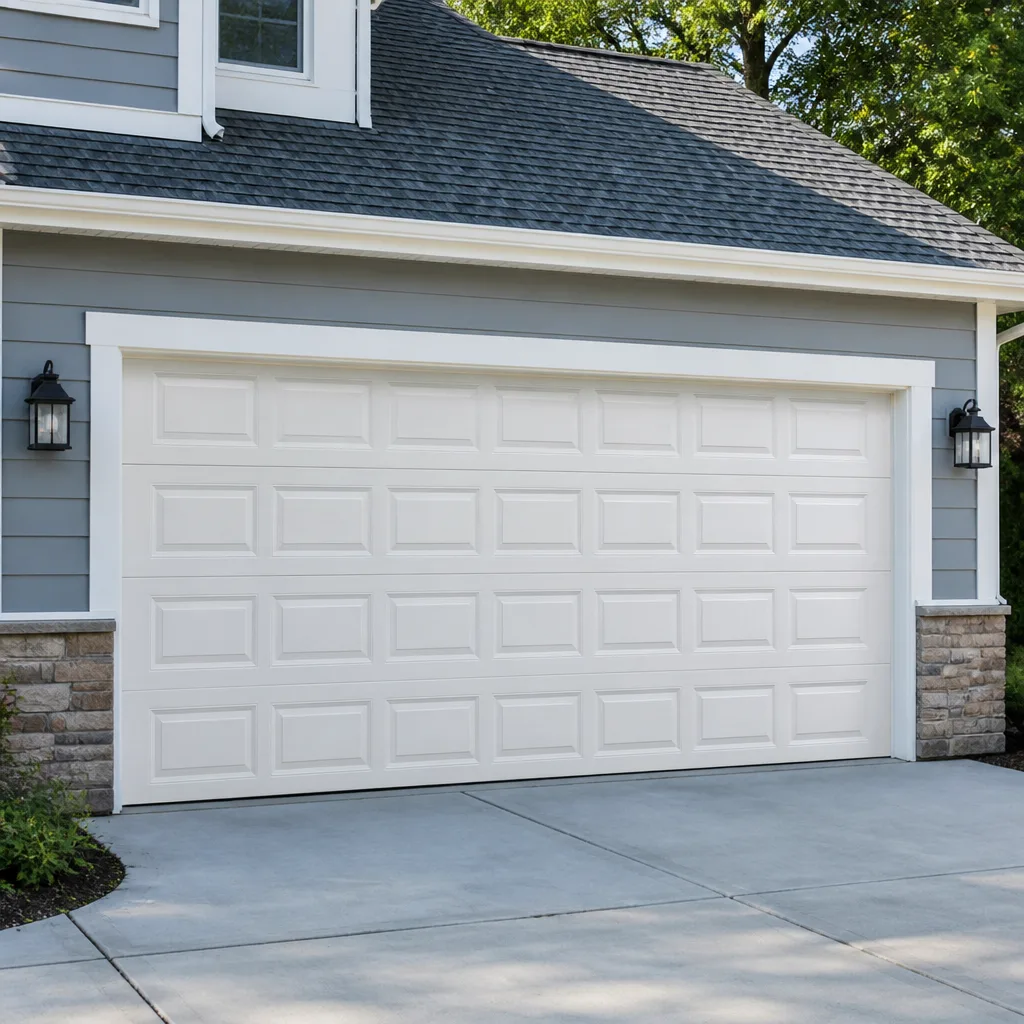 Raised-panel steel
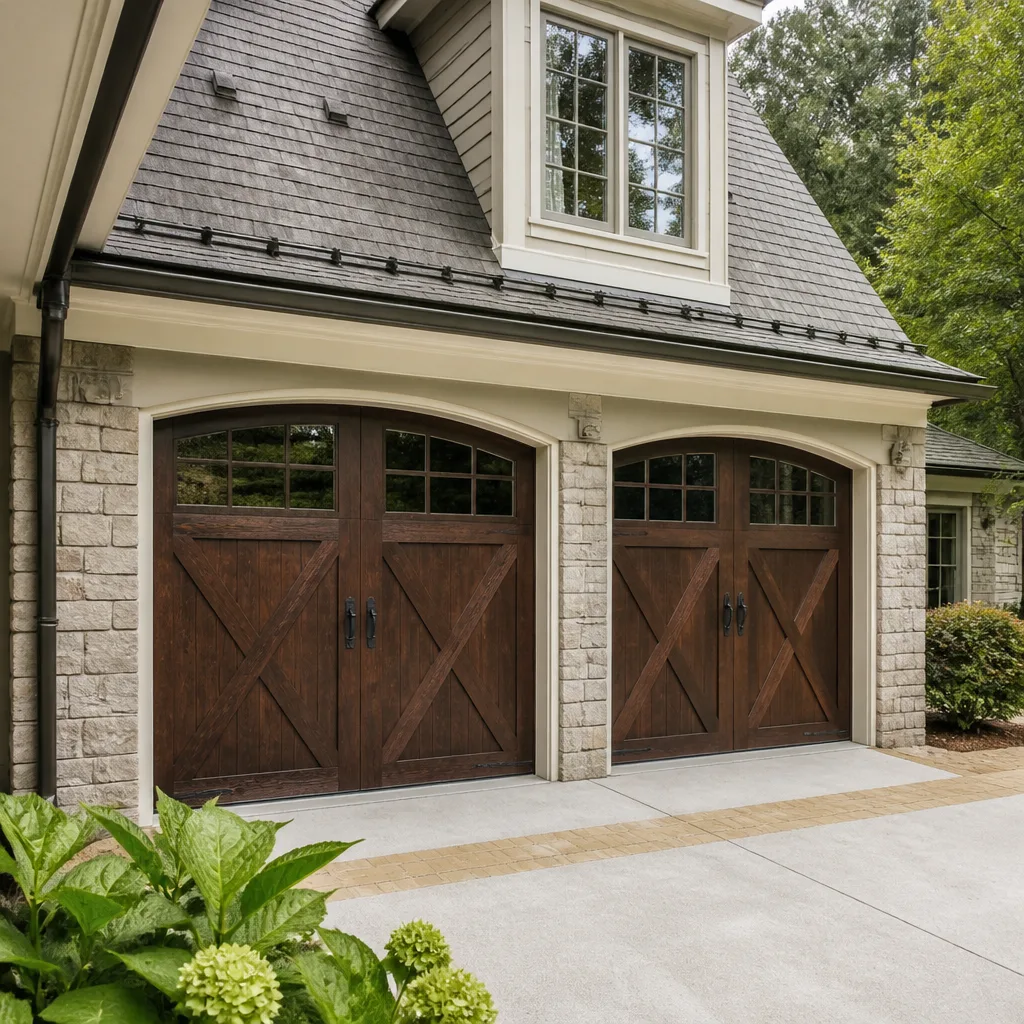 Carriage house
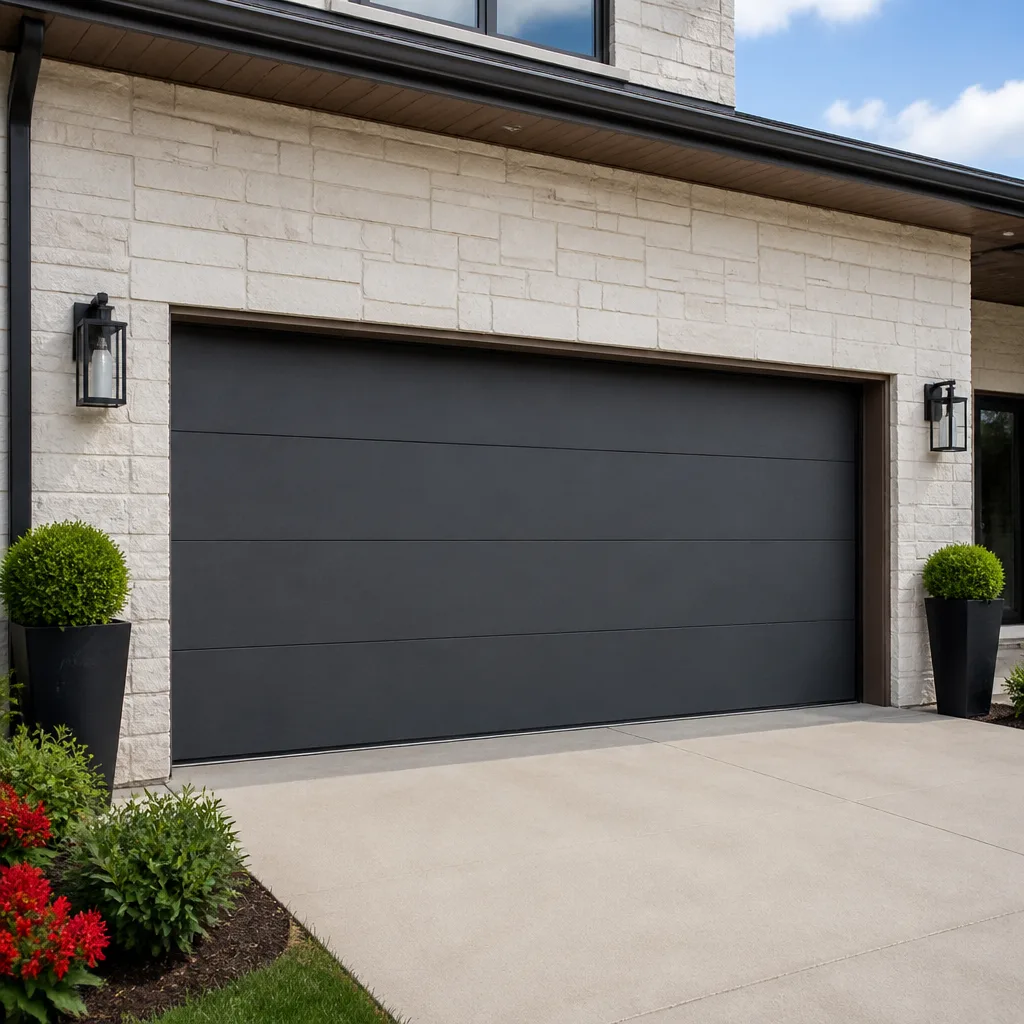 Modern flush
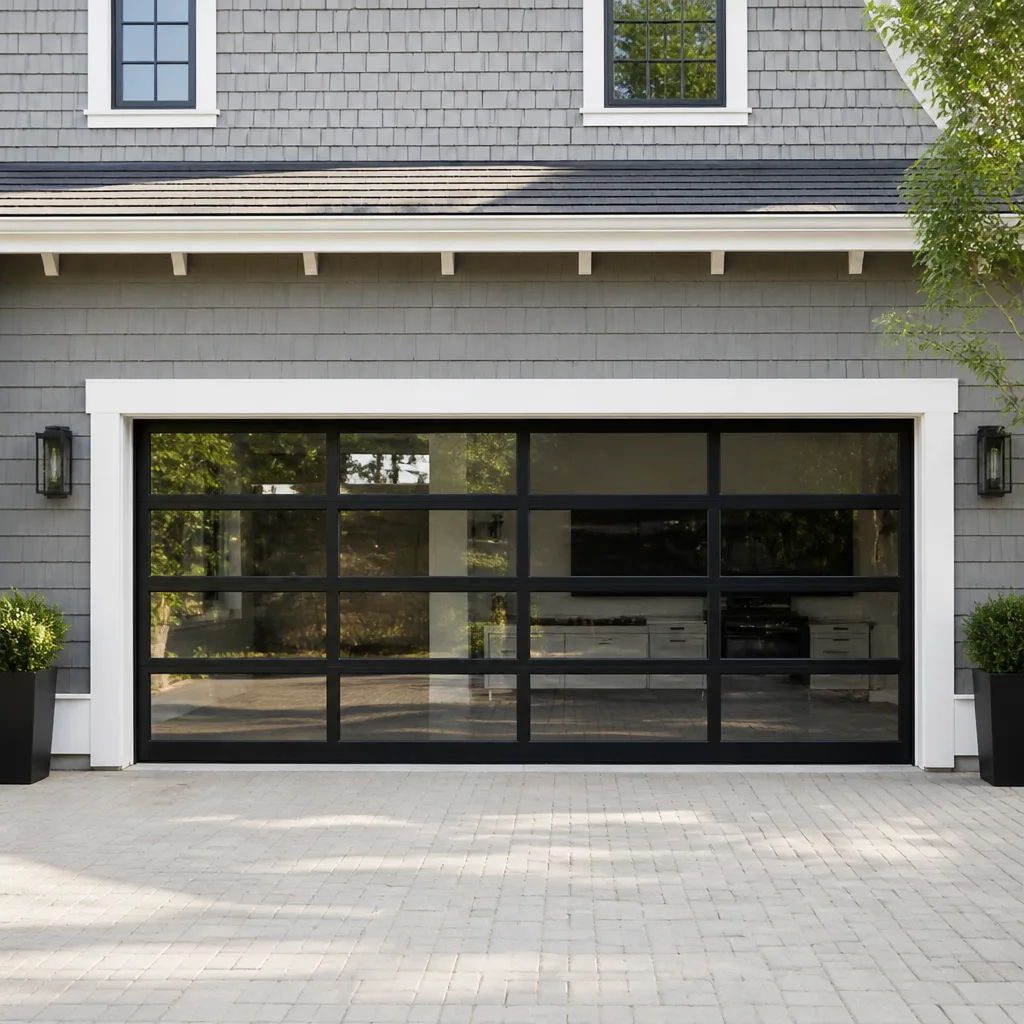 Full-view glass
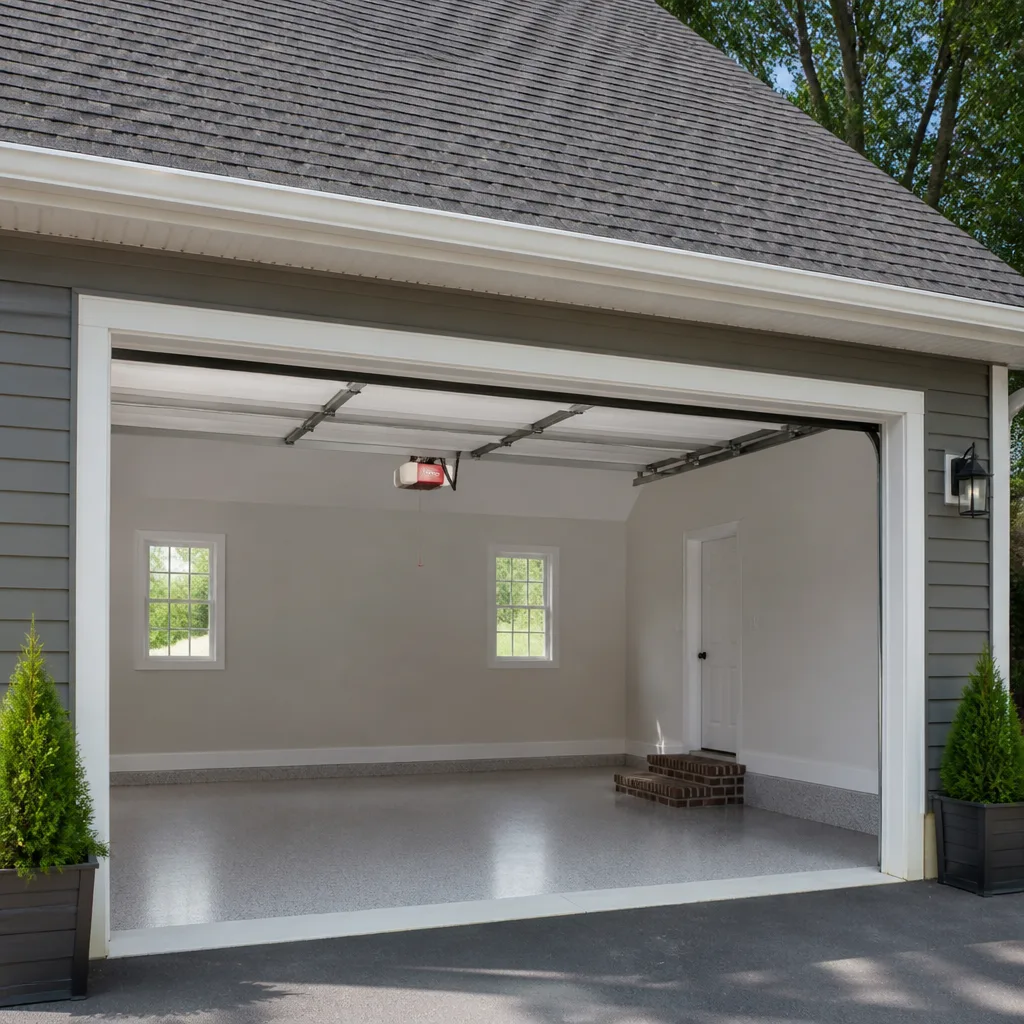 LiftMaster openers
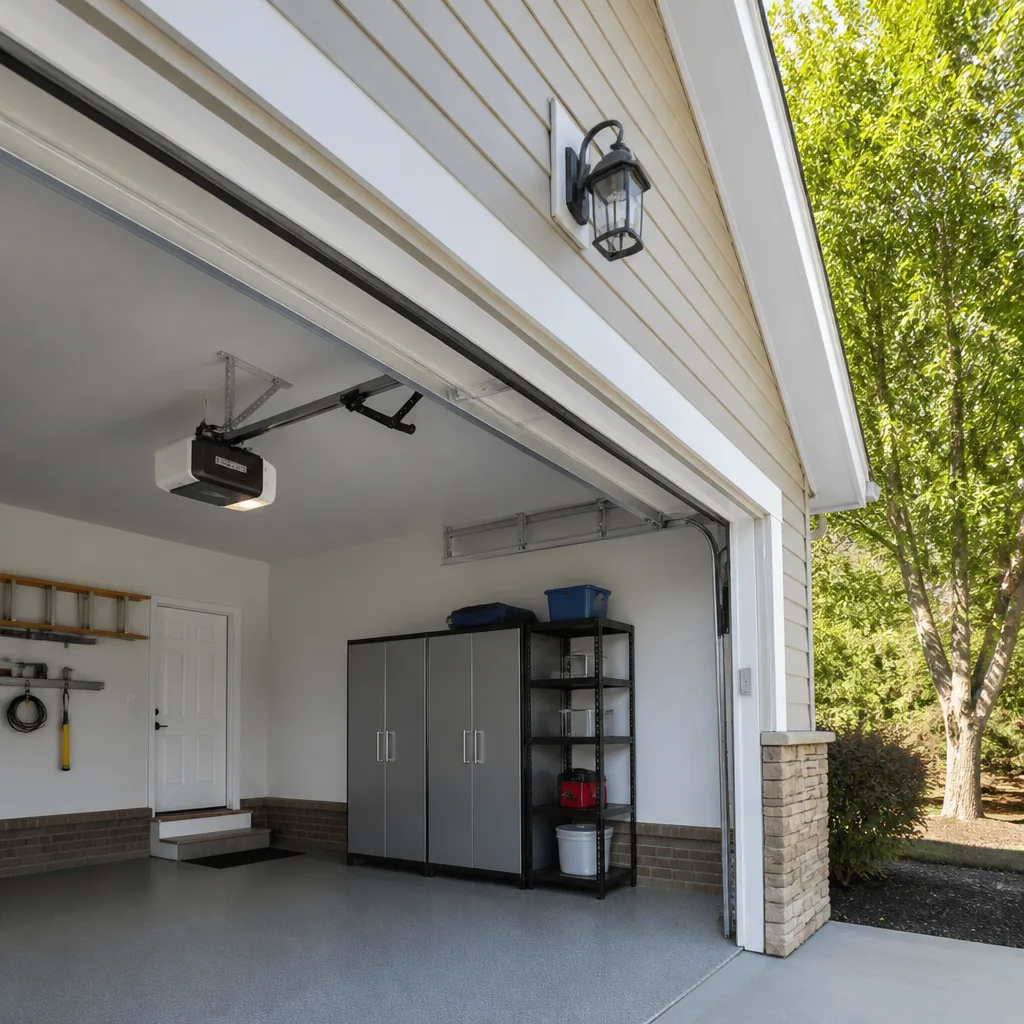 Chamberlain openers
Full 25-point door and opener safety check with every visit - springs, cables, rollers, tracks, and your LiftMaster or Chamberlain opener included
You get a price before we start. It does not change when the pro arrives.
Get your free estimateChoosing the Right Garage Door Brand: A Buyer’s Guide for Upper East Side
Most Upper East Side buyers pick a garage door brand the way they pick a paint color: by flipping through a catalog and going with what looks good. That’s backwards. A brand that gets glowing reviews nationally can still be a poor choice in Manhattan, because the door that fails you is rarely the door that looked wrong. It’s the door whose replacement panel has to ship from a warehouse three states away, or whose opener talks to a control board nobody nearby can source. This guide is about choosing a brand through a different lens: parts availability, service network density, and how well the product handles the specific grind of city use. You’ll finish knowing how to weigh brands on the things that actually decide whether a repair takes a day or a month.
Quick Answer
For most Upper East Side properties, the best garage door brand is the one with local parts and service depth, not the one with the flashiest catalog. Clopay, Amarr, and Wayne Dalton each have broad dealer and parts networks that reach the NYC metro, which matters more than national ad spend when a spring, panel, or opener control board fails. Match the door’s steel gauge and insulation to your garage’s real conditions, and align the door with the opener brand you already have.
Styles & brands we work with
- Raised-panel steel
- Carriage house
- Modern flush
- Full-view glass
- LiftMaster openers
- Chamberlain openers
Table of Contents
- Why Brand Choice Matters More in Upper East Side Than Anywhere Else
- Brand by Brand: How the Major Players Hold Up in the NYC Metro
- Matching Door Construction to How Your Garage Actually Gets Used
- Opener Brand Alignment: Pairing Your Door With LiftMaster, Chamberlain, or Genie
- What a “Lifetime Warranty” Really Covers (And How Claims Work)
- Style Choices That Fit Upper East Side Architecture
- What a New Garage Door Costs in Upper East Side
- Common Mistakes to Avoid
Why Brand Choice Matters More in Upper East Side Than Anywhere Else
A garage door in a suburb spends most of its life going up and down in a low-density environment where the nearest dealer is a short drive away and parts sit on a shelf. An Upper East Side door lives in a different reality. Property lines are tight, garages are often shared or commercial-adjacent, and access for a service call can be as much of a planning problem as the repair itself. When a torsion spring lets go or a panel takes impact, the clock on getting it fixed starts the moment you pick up the phone.
That’s why the usual brand comparison framework – finish options, panel profiles, price tiers – tells you almost nothing useful here. What matters is this:
- Parts availability in the metro. A brand with a regional parts pipeline gets a replacement panel or spring in days. A brand without one turns a repair into a wait.
- Service network density. If the nearest factory-authorized technician is in another state, your “authorized service” is theoretical. We work on the brand you already have, which is why we keep fluency across the major lines rather than betting on one.
- Tolerance for urban use. Less space, more temperature swings, and often more cycles than a suburban door sees. Construction grade has to match.
- Opener ecosystem. The door and the opener have to talk to each other. Brands that pair cleanly with the smart openers common in Upper East Side properties save you compatibility headaches later.
New York’s climate is hard on any exterior building component. Summer humidity pushes wood and steel through expansion and contraction cycles, winter brings freeze-thaw, and the constant traffic of city life means doors cycle more than the manufacturer’s average use case assumes. None of that is a reason to avoid a brand. It’s a reason to choose on construction and service support rather than catalog photography.
If your current door is failing and you need a repair rather than a new brand, the fastest route is a direct call. See our Garage Door Repair Upper East Side page for what we handle, and read on to understand what a replacement decision looks like when you’re ready.
Brand by Brand: How the Major Players Hold Up in the NYC Metro
Here’s the honest evaluation you won’t find in a showroom brochure: we’re judging each brand on how it behaves in service, not how it looks on a spec sheet. We work on all of these, so this isn’t a sales pitch for any single one.
Clopay
Clopay has the deepest dealer and distribution footprint of the major residential lines reaching the NYC metro. That’s the practical advantage: panel profiles, hardware, and replacement components are more likely to be available locally or within a short regional pipeline. For a multi-unit building or a townhouse where matching an existing panel profile matters, that availability is worth a lot. Clopay’s steel options run from basic gauge up to heavier insulated construction, so you can match the door to the conditions instead of compromising.
Amarr
Amarr sits in a similar tier with strong dealer support across the metro and a broad range of panel styles. Where Amarr earns its place is in the range of insulation and construction options within its residential lines, which makes it easier to spec a door for a garage that sees real temperature swings. Parts support is solid. When we source components for an Amarr door, the pipeline is reliable, and that keeps a repair from stretching out.
Wayne Dalton
Wayne Dalton’s line includes some construction options that appeal for their hardware and finish systems, and its network reaches the metro well enough to keep service practical. It’s a reasonable choice for a property where the finish and panel style are the priority and the service pipeline matters. As with any brand, the deciding question is whether the specific model you’re considering has local parts support – not just whether the brand name does.
Craftsman
Craftsman is common on openers and on doors already in place across Upper East Side buildings, and it’s widely recognized. It’s a solid legacy choice, but for a new door purchase, we’d weigh it against brands with deeper local parts distribution for the door itself. Where Craftsman shines is on the opener side: it’s familiar hardware we service regularly, and diagnosing it is straightforward.
A word on how to read any brand comparison: the brand name tells you the manufacturing philosophy. The model within the brand tells you the construction. The dealer and parts network tells you how a repair goes. All three matter, and the third is the one buyers forget.
Matching Door Construction to How Your Garage Actually Gets Used
A garage door brand sells you a product family. What you actually live with is the specific construction: steel gauge, insulation value, and hardware grade. On the Upper East Side, those choices get stressed differently than the manufacturer’s marketing assumes. Here’s how to think through the match.
- Start with cycle count, not square footage. A door that opens and closes ten times a day wears very differently from one used twice a week. Higher cycle counts argue for heavier hardware and better spring sizing, which is where a brand’s build quality actually shows up.
- Match steel gauge to impact exposure. Garages with tight maneuvering room – common in dense Upper East Side blocks – see more accidental contact. A heavier steel gauge dents less and holds its shape longer, even if it costs more upfront.
- Choose insulation for temperature swings, not just comfort. New York’s seasonal swing from humid summer to freezing winter pushes steel and wood through expansion and contraction. Insulated panels reduce the thermal stress on the assembly and keep the door more stable through the year.
- Weigh hardware grade separately from the panel. Hinges, rollers, and torsion hardware wear out before the panels do. A brand with better hardware standards saves you money on the back end.
- Look honestly at use frequency. A door that cycles rarely in a building where the garage is secondary can tolerate lighter construction than a door carrying daily traffic. Be honest about how often it actually moves.
One form of “exposure” that gets overstated in coastal-oriented advice doesn’t apply in the same way to an inland dense urban environment: road salt and street splash concentrate on the lower panels of any door on a busy street, so finish quality at the bottom edge matters more than the door’s overall catalog rating. If you’re unsure which construction spec fits your building, a free measure and written price is the right first step – not a guess from a catalog.
Opener Brand Alignment: Pairing Your Door With LiftMaster, Chamberlain, or Genie
You can buy a perfect door and still end up frustrated if the opener and door don’t pair cleanly. On the Upper East Side, smart and Wi-Fi-enabled openers are common in renovated properties and in buildings where remote access matters to residents. The practical rule: choose the door with an eye on the opener you already have, or plan to replace both as a system.
- LiftMaster pairs cleanly with most major residential door brands, and its smart-home integration is well established. If your property already runs LiftMaster openers, door selection should prioritize fit and finish over compatibility concerns.
- Chamberlain shares a compatibility lineage with LiftMaster in many respects, which makes it a common pairing for new installs and upgrades in Upper East Side buildings. We service both lines regularly, and diagnosis on a Chamberlain opener is rarely a mystery.
- Genie is a solid choice for many residential setups and pairs well with standard door construction. Where alignment matters is on the hardware side – opener mount, rail length, and headroom in tight garages.
Two alignment details decide how smoothly this goes. First, headroom: urban garages rarely have the generous clearance the manufacturer diagram assumes, so the opener rail and door track have to be measured, not guessed. Second, safety reverse: the system has to be set up so the opener reliably reverses on contact and on the safety sensor, which is a configuration question, not a brand question. Whichever opener you have, we handle garage door opener repair across the major lines, and the door itself stays an independent decision.
What a “Lifetime Warranty” Really Covers (And How Claims Work)
“Lifetime warranty” is one of the least useful phrases in the hardware industry, because every brand defines the term differently. What you want to know is not how long the warranty runs, but what it actually covers and how a claim gets filed when something fails. Here’s how to read those documents before you buy.
Across the major brands, the coverage usually breaks down into separate tiers:
- Panel rust. Often the flagship “lifetime” coverage, but frequently conditioned on the finish being intact and proper maintenance. A rust perforation claim is one thing; a surface stain is usually another.
- Finish fading and peeling. Sometimes time-limited rather than lifetime, and often tied to specific finish systems. Read the exclusions, not the headline.
- Hardware failure. Springs, hinges, and rollers are typically limited-term parts with their own schedules, because these are consumables and wear predictably.
- Labor. Almost never included. A parts warranty that covers the panel but not the installation still leaves you paying for the work.
The claim process itself is where local service depth comes back into the picture. A warranty is only as good as the technician network that can inspect the failure, document it to the brand’s standard, and complete the corrective work without weeks of back-and-forth. In practice, a brand with a dense regional service pipeline turns a warranty claim into a service call, while a thin network turns it into a correspondence problem. That’s the practical reason brand evaluation for Upper East Side buyers should weight service presence as heavily as product specs.
Read the warranty as three separate documents: the parts schedule, the finish schedule, and the labor exclusion. If any part is vague, ask your dealer to walk you through it in writing before you sign.
Style Choices That Fit Upper East Side Architecture
Style is the last filter, not the first, but it’s the one that gets all the attention in a showroom. The good news: the major brands cover a range wide enough to match most Upper East Side building types without compromising on construction. What matters is which style fits your specific property and how the door reads from the street.
- Carriage-house overlays for townhouses. The popular pick for brownstone and townhouse conversions, where a carriage-style door echoes the building’s period character. These are overlay or overlay-style panels, so check the construction spec separately from the look.
- Flush panels for contemporary renovations. Clean and minimal, and forgiving for garages with awkward openings that need a uniform sightline. Flush panels pair well with modern smart-openers because the hardware stays out of view.
- Custom sizing for non-standard openings. Many Upper East Side garages were built to dimensions that don’t match a standard catalog size. This is where a brand’s custom-order capability and local fabrication pipeline matter. Measure the actual opening, including any headroom limitations, before selecting a model.
Upper East Side architecture is mixed – townhouses with period detail sit next to modern renovations and mid-rise buildings – so there’s no single “right” style. The practical rule: let the building’s existing character set the panel style, then let construction grade set the brand. When you choose a door, a garage door installation measured to your actual opening will save you from the most common style regret, which is a door that looked perfect in a showroom and fits awkwardly in place.
What a New Garage Door Costs in Upper East Side
Pricing for a new or replacement garage door in Upper East Side depends on size, construction grade, and whether the opener is being replaced at the same time. Below are typical ranges for common residential projects. These are estimates only – the written estimate sets the final price once the opening has been measured.
- New panel or door, standard size, basic construction: typically several hundred to a low four figures installed, depending on gauge and finish.
- Insulated steel door, standard size: typically mid to upper four figures installed, including hardware and track.
- Custom-sized door for a non-standard opening: typically upper four figures to low five figures, driven by fabrication and finish.
- Opener replacement (LiftMaster or Chamberlain line): typically several hundred to a low four figures, depending on smart features and integration.
Two rules keep this simple. The price is quoted and agreed before any work starts – there’s no surprise invoice after the door goes up. And if you’re repairing rather than replacing, the garage door repair cost is assessed per job on a free estimate, not on a flat list. A spring repair is not a door replacement; they’re different decisions, and we’ll tell you which one your door actually needs.
Common Mistakes to Avoid
- Choosing on looks alone. A catalog photo can’t tell you whether the panel profile is available locally or how quickly a replacement part arrives. Pick construction and brand first, style second.
- Ignoring the parts pipeline. A brand that looks great on a spec sheet but has thin local service presence turns a routine repair into a wait. Ask who services the brand in the metro before you commit.
- Mismatching door and opener. A door that doesn’t pair cleanly with your LiftMaster, Chamberlain, or Genie opener adds friction. Align the door with the opener or replace both as a system.
- Trusting the warranty headline over the schedule. “Lifetime” usually means lifetime on selected parts with exclusions on finish, hardware, and labor. Read the schedules, not the cover.
- Skipping the measurement. Urban garages rarely fit standard dimensions, and headroom surprises are common in Upper East Side buildings. Measure the actual opening before ordering.
- Assuming a standard door will fit a non-standard opening. Custom fabrication is the right call when the opening dictates it – trying to force a catalog size costs more in the end.
- Using a generalist for a garage-door job. Garage doors are a specific trade. A specialist diagnoses faster and gets the right part on the first visit, which on a busy Upper East Side block is the difference between one call and three.
See the difference
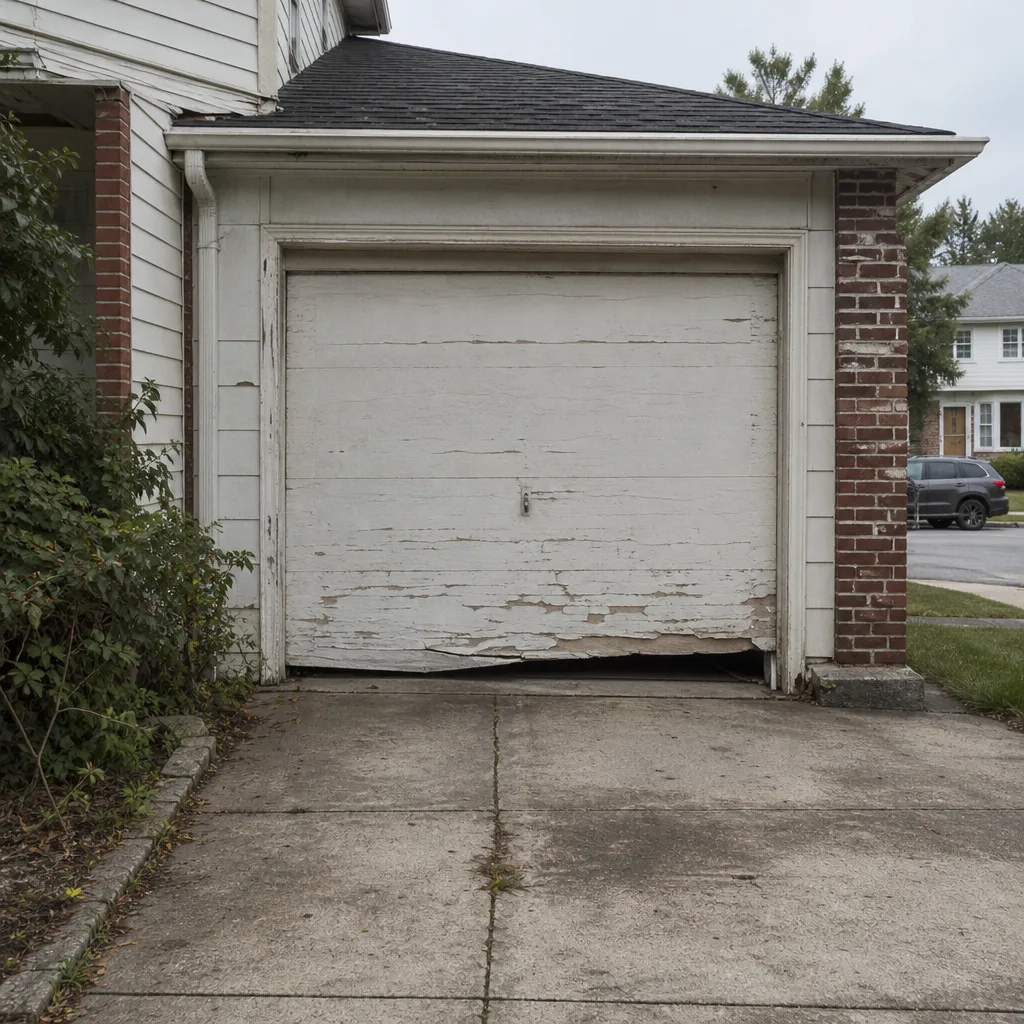 Before
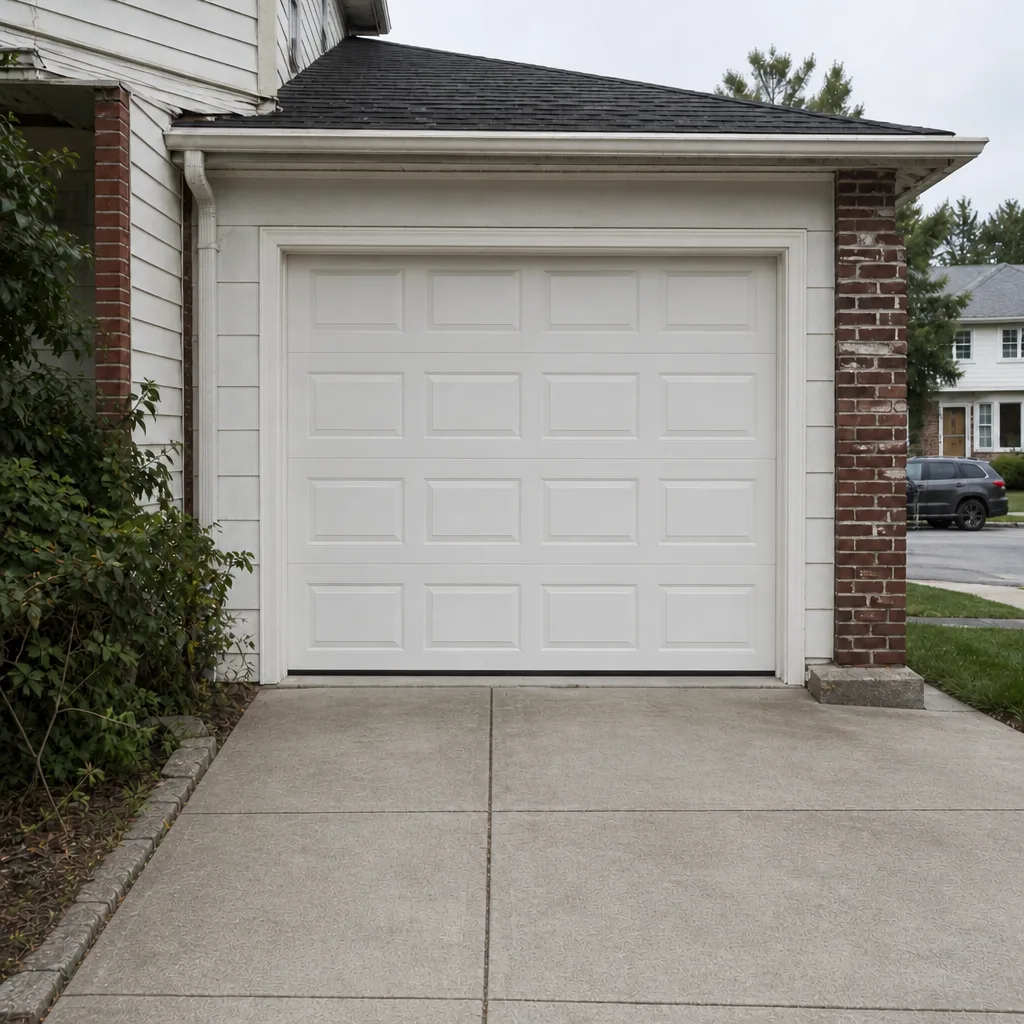 After
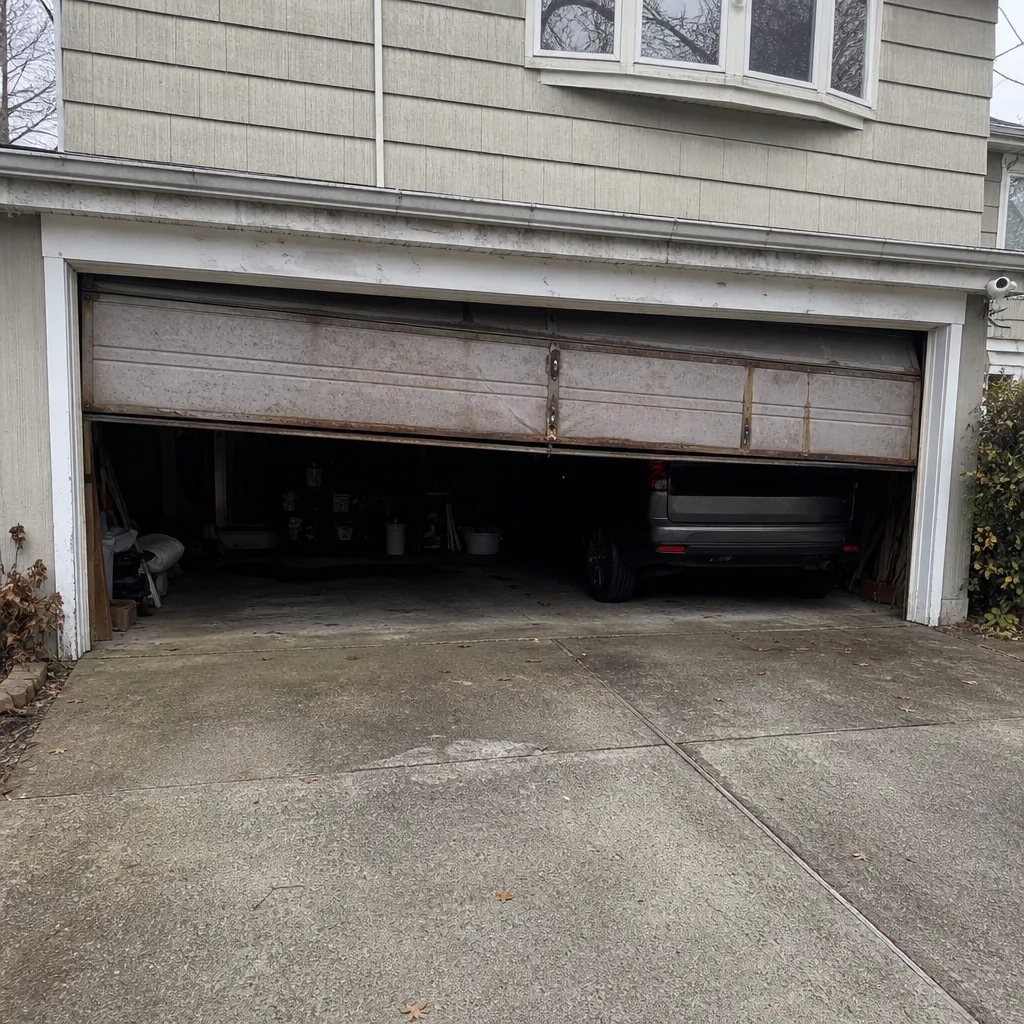 Before
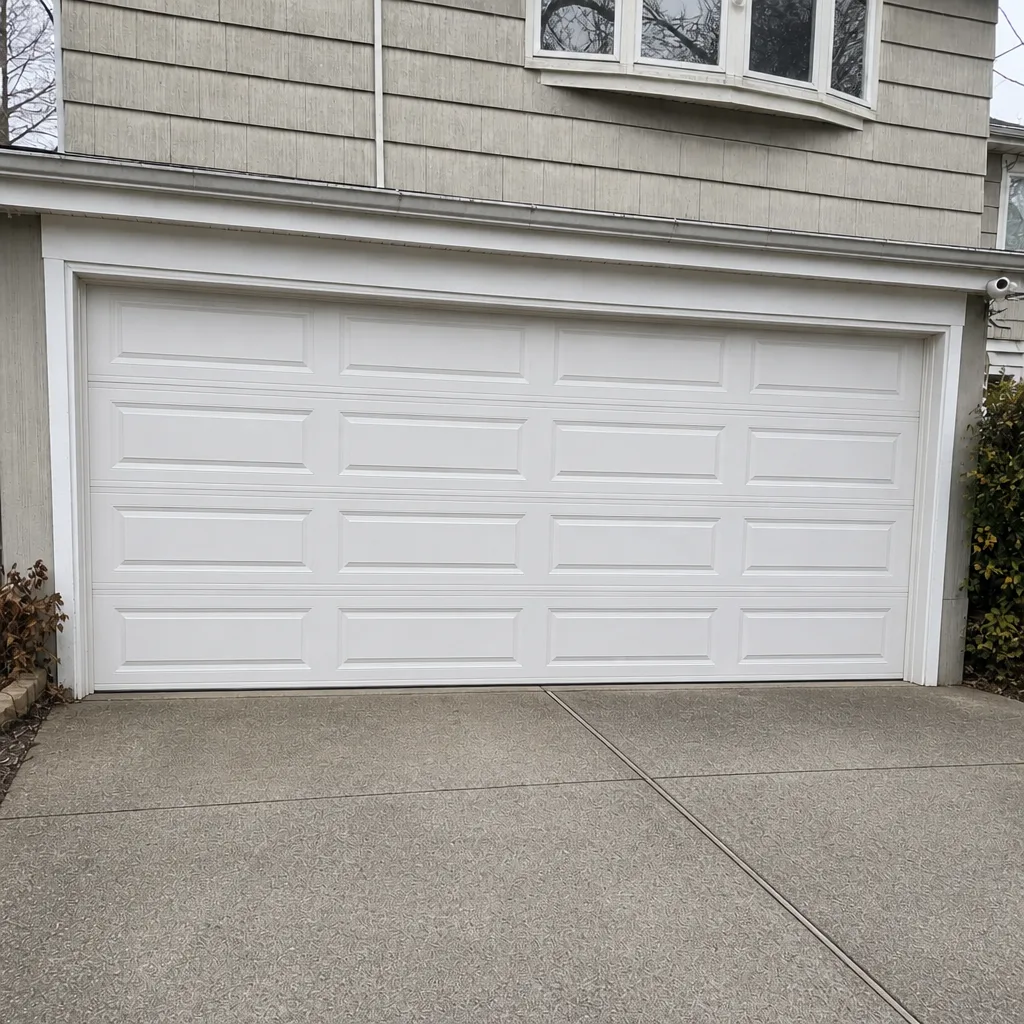 After
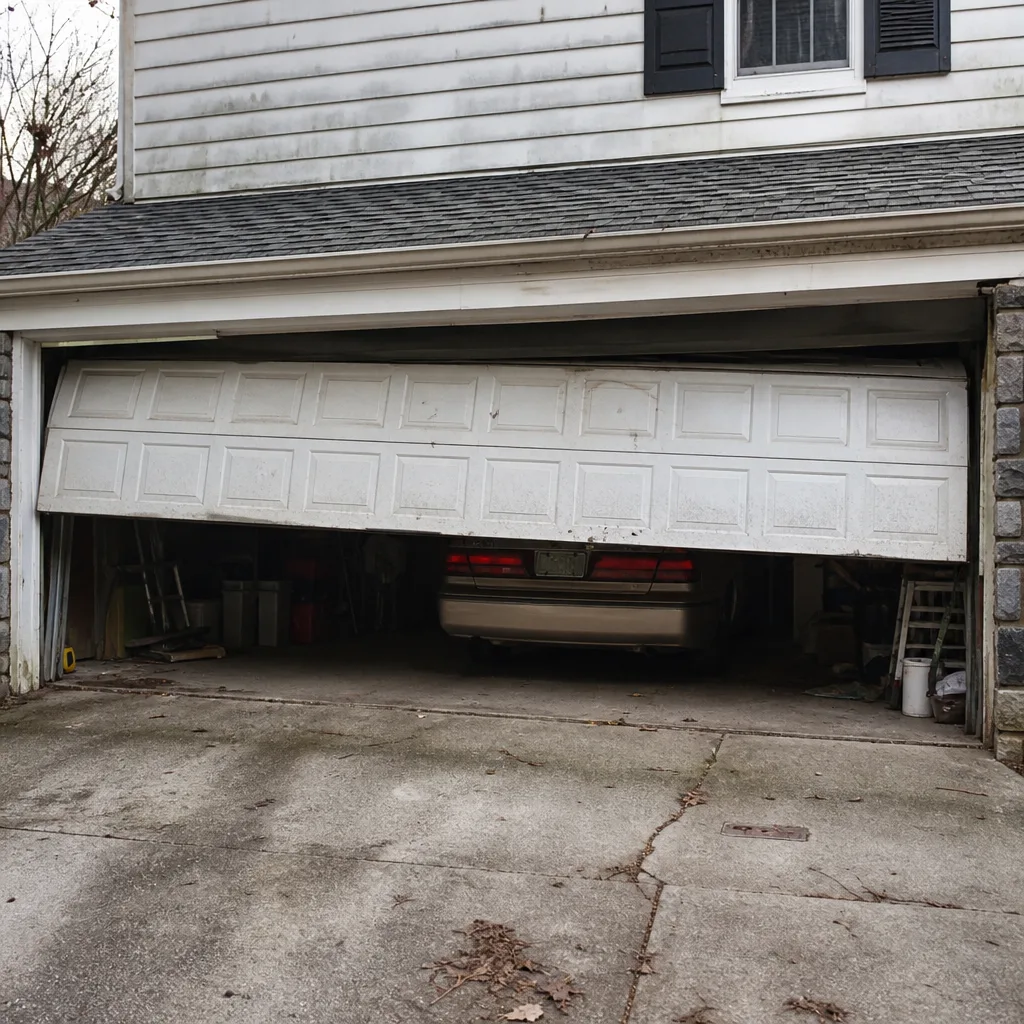 Before
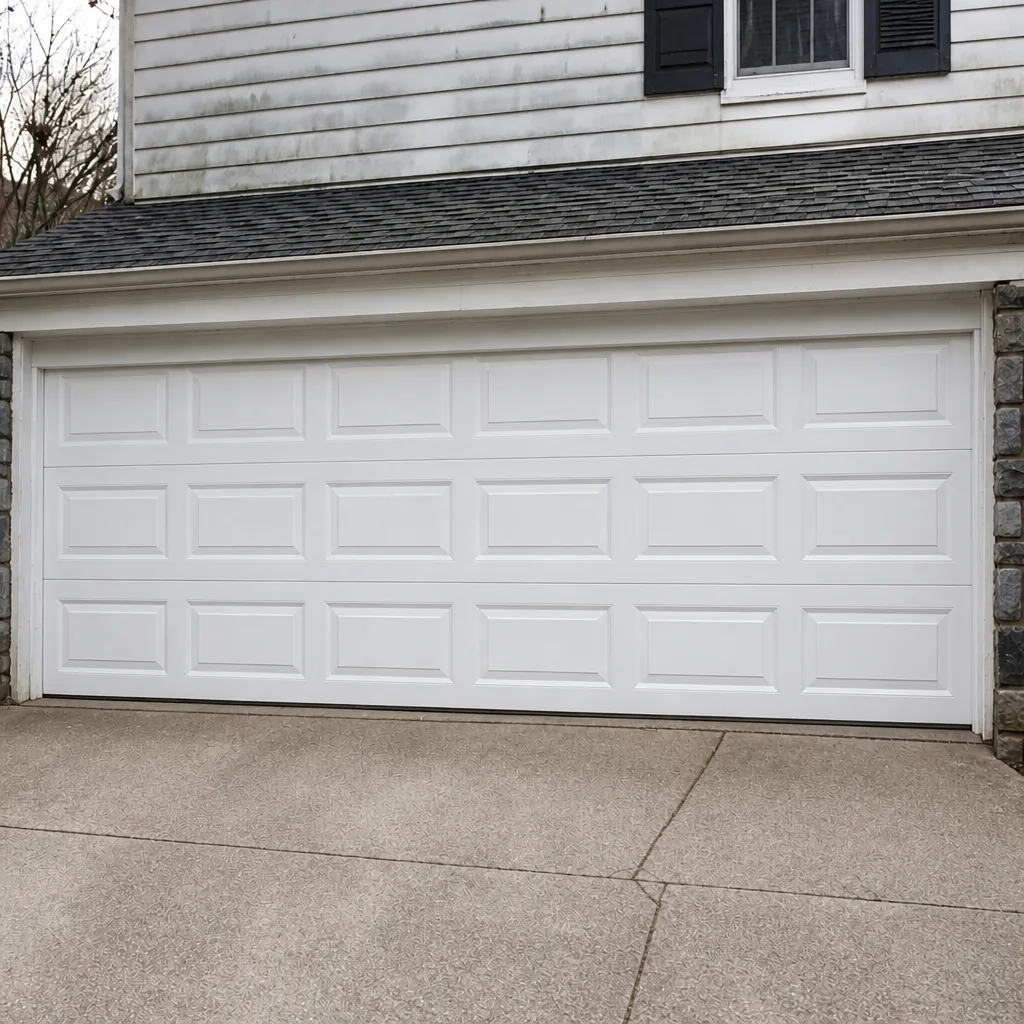 After
When to Call a Professional
Some decisions are clearly ones to make with a specialist on-site: a torsion spring that has snapped (never attempt this yourself – the tension can cause serious injury), a door that no longer moves, a panel that has clearly failed, an opener that won’t reverse, or a garage door that leaves you wondering whether to repair or replace. On the Upper East Side, tight spaces and building access make a measured, in-person assessment more reliable than any phone diagnosis, which is exactly what our free estimate provides. Our technicians have up to 9 years of experience across the major brands, and we can work with the equipment you already have rather than pushing a replacement you don’t need. Garage Door Repair Upper East Side offers free estimates in Upper East Side – call (877) 492-1824. We answer 24/7. Fast dispatch from 7am to 7pm, Sunday through Friday.
Frequently Asked Questions
For most Upper East Side buyers, the best brand is the one with local parts and service depth, not the one with the strongest national advertising. Clopay, Amarr, and Wayne Dalton each have dealer and parts networks that reach the NYC metro, which makes repairs more practical. Call (877) 492-1824 for a free estimate and we’ll walk you through the options for your specific opening.
Yes. A brand with a dense regional parts pipeline turns a repair into a service call, while a brand without one turns it into a wait. We work on the brand you already have, across LiftMaster, Chamberlain, Genie, Clopay, Amarr, Wayne Dalton, Craftsman, and Raynor. Call (877) 492-1824 to find out how we can help with yours.
No – installation pricing is set per job by a written estimate after the opening has been measured, so it reflects your door’s actual size and construction. The price is quoted and agreed before any work starts, so there’s no surprise on the invoice. Call (877) 492-1824 for a free estimate.
In most cases, yes – we can match the new door to the opener you already have and configure the safety reverse and sensors properly. If the opener itself is failing, we can address that too. Call (877) 492-1824 and we’ll talk through what your setup needs.
Check the parts schedule, the finish schedule, and the labor exclusion separately, because “lifetime warranty” covers different things on each. Also ask who locally can inspect and document a claim, since warranty service depends on the regional technician network. Call (877) 492-1824 and we can help you read a claim before you commit.
Often, yes – many Upper East Side garages were built to dimensions that don’t match a standard catalog door, and forcing a standard size usually costs more in the end. A free measure will tell you exactly what your opening needs. Call (877) 492-1824 to schedule one.
The Bottom Line
Choose a garage door brand the way a technician would: parts availability first, service network second, construction third, style last. A well-reviewed door with a thin local support pipeline is a worse choice in Upper East Side than a less flashy door that can be repaired in days rather than weeks. Match steel gauge and insulation to your garage’s real conditions, align the door with the opener brand you already have, and read a lifetime warranty as three separate documents. When the time comes, a measured, written estimate tells you more than any catalog page.
When you’re ready to talk through your door needs, or if the one you have needs attention, call (877) 492-1824 for a free estimate. We answer 24/7. Fast dispatch from 7am to 7pm, Sunday through Friday. Garage doors are all we do, and we work on the brand you already have.
Written by the team at Garage Door Repair Upper East Side.