
Last updated November 21, 2026
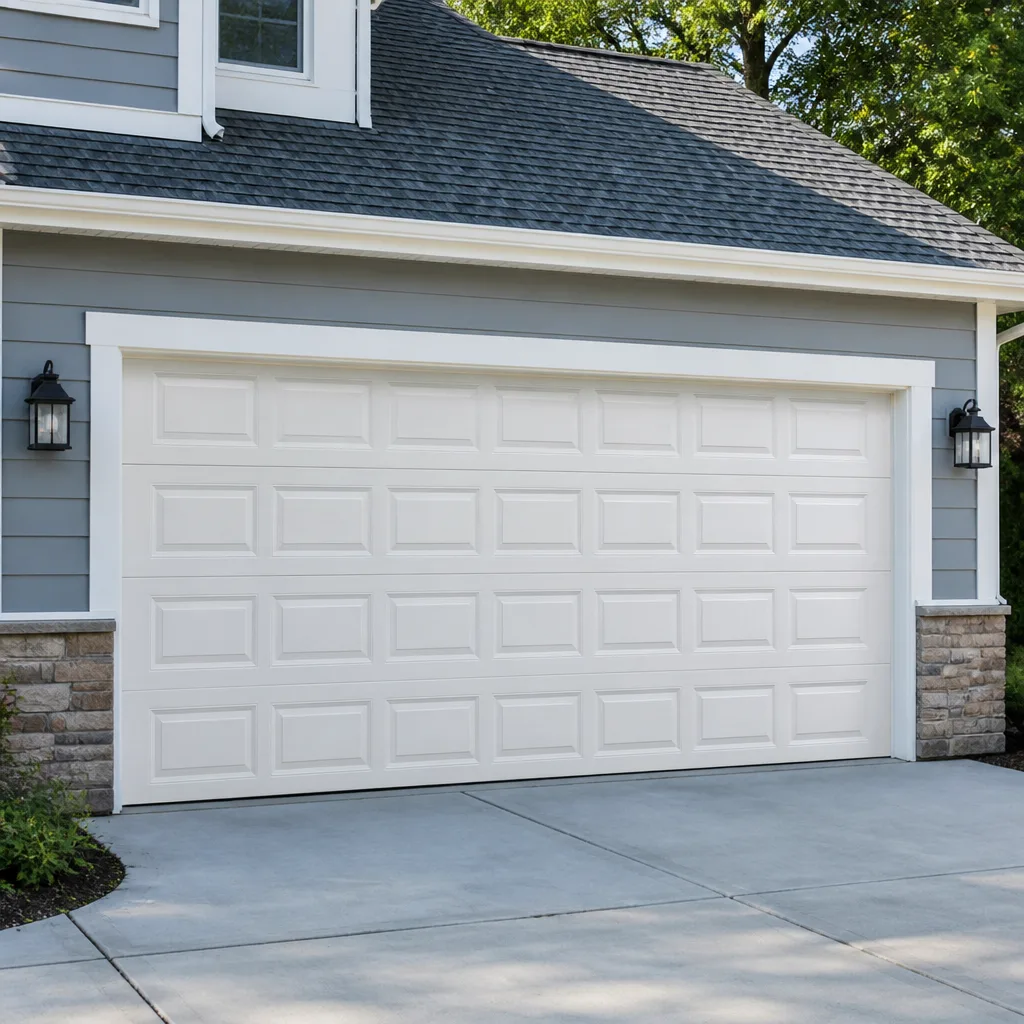 Raised-panel steel
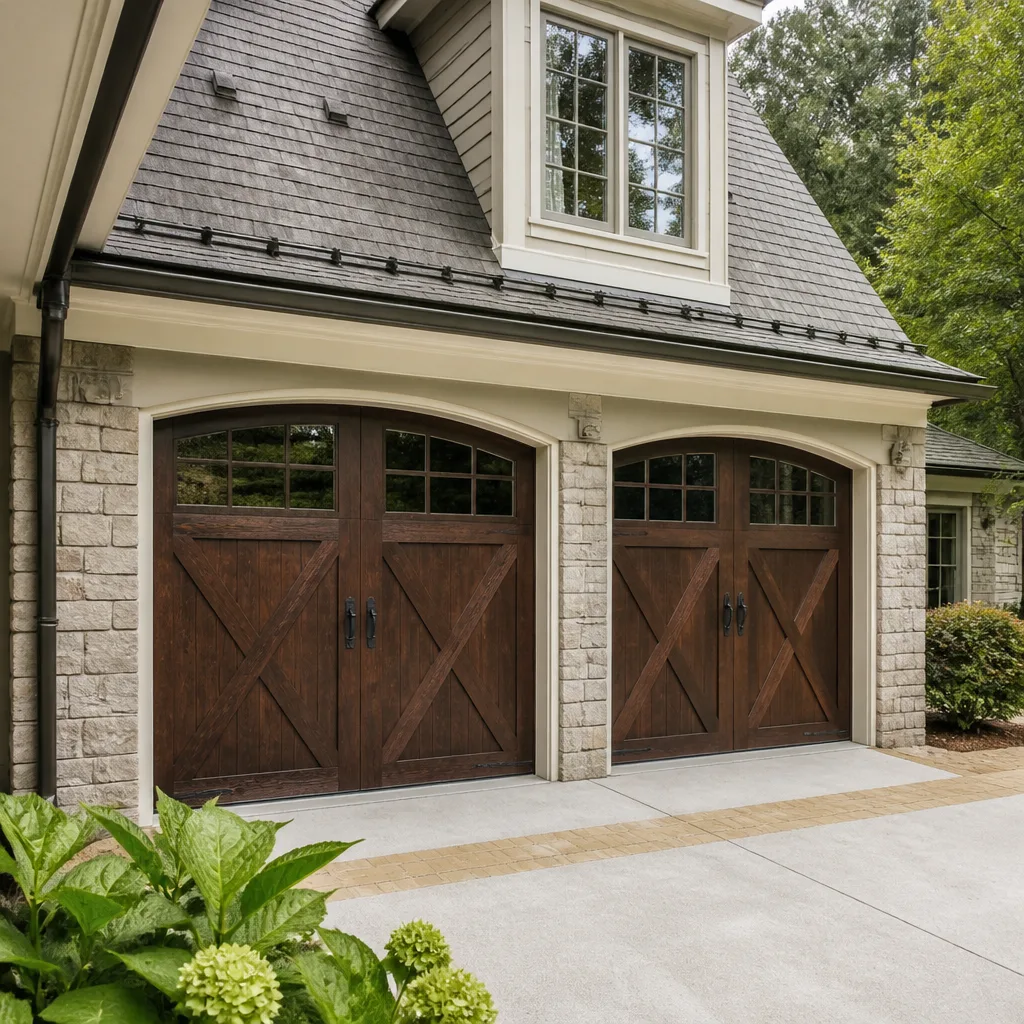 Carriage house
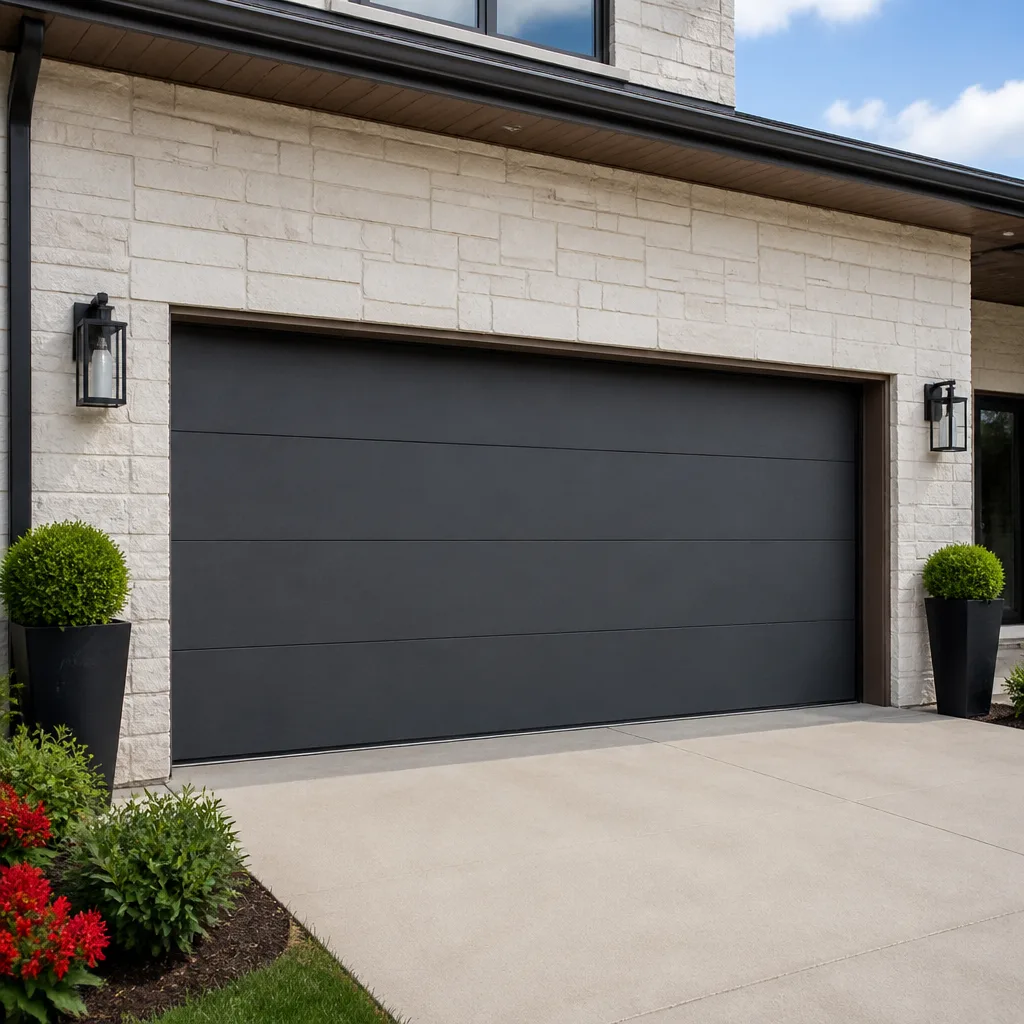 Modern flush
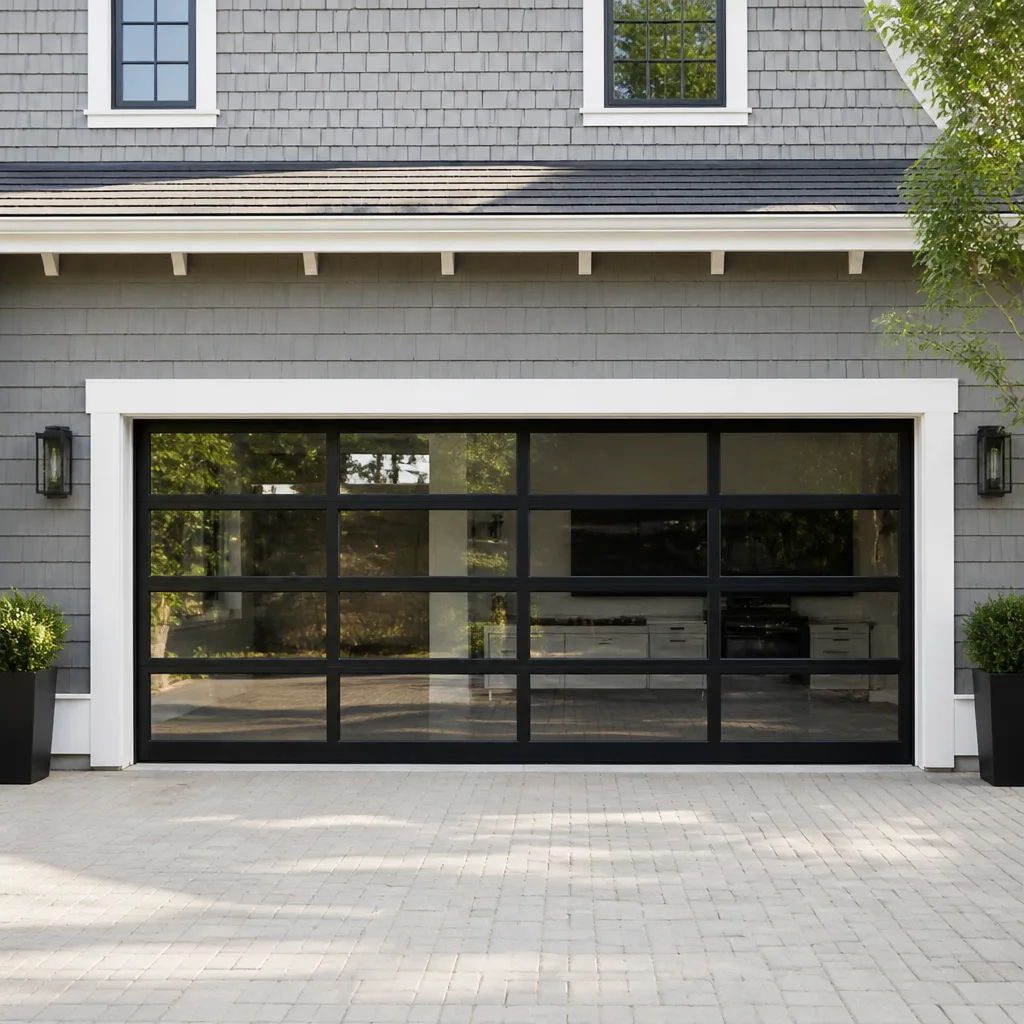 Full-view glass
 LiftMaster openers
 Chamberlain openers
Full 25-point door and opener safety check with every visit - springs, cables, rollers, tracks, and your LiftMaster or Chamberlain opener included
You get a price before we start. It does not change when the pro arrives.
Get your free estimateSeasonal Garage Door Care for Upper East Side: Year-Round Homeowner’s Guide
The first genuinely cold morning of a New York winter is when a lot of Upper East Side garage doors fail, and the timing tricks people. The cold gets blamed. The actual problem is usually a season’s worth of skipped lubrication and a bottom seal that quietly hardened over a mild October. Springs don’t snap because of one cold night; they snap because a tired, dry, or slightly corroded system gets its first real stress test all at once. This guide is about spacing that care out across the Manhattan calendar so nothing gets tested all at once. You’ll learn what each season actually does to a door in this neighborhood, which parts to check and when, and how to adjust an opener that’s fighting the weather.
Quick Answer
Seasonal garage door care in the Upper East Side means lubricating springs, hinges, and rollers in late fall before the first hard freeze, checking the bottom seal and track alignment through winter freeze-thaw cycles, inspecting hardware for corrosion and loosening each spring, managing condensation through humid summer months, and re-checking opener force and travel settings whenever the temperature swings. The single most valuable task is the fall lubrication pass, because a well-lubricated system handles cold stress far better than a dry one. A professional inspection once a year, ideally in fall, catches the wear that homeowners can’t see.
Styles & brands we work with
- Raised-panel steel
- Carriage house
- Modern flush
- Full-view glass
- LiftMaster openers
- Chamberlain openers
Table of Contents
- Why Upper East Side Doors Need Their Own Seasonal Calendar
- Fall Prep: The Window That Matters Most
- Winter: Freeze-Thaw Cycles and What They Do to Your Door
- Spring Inspection Priorities After a New York Winter
- Summer Humidity in Below-Grade and Enclosed Garages
- How to Adjust Opener Force Settings Seasonally
- The Two-Minute Monthly Check
- Elevators and Enclosed Garages: Moisture Management by Building Type
Why Upper East Side Doors Need Their Own Seasonal Calendar
Upper East Side garages don’t see the same winter most of the country does. Our cold isn’t a sustained deep freeze that settles in for weeks. It’s a series of drops and thaws, often dipping below freezing overnight, warming into the forties by afternoon, then dropping hard again before the week’s out. That pattern is more punishing on hardware than steady cold, because every thaw-and-freeze cycle works at seals, tracks, and hinges a little differently than a constant temperature does.
Plenty of seasonal maintenance checklists are written for the suburbs: a detached garage with a wide asphalt apron and a door that faces an open sky. A prewar building on the Upper East Side has a garage tucked below grade, accessed by a tight ramp, often shared by dozens of residents. The door has a job here, and the conditions around it are specific. Our technicians have up to 9 years of experience working in exactly this kind of environment, and the seasonal patterns in our zip do not match what a national checklist assumes.
Late fall on the Upper East Side is a good example. September and much of October can stay quite mild, and it’s easy to think the door doesn’t need anything before the holidays. Then the first real cold snap arrives and the door is still running on dry tracks and a stiff seal. The failure feels abrupt. It isn’t. It’s the prior season’s deferred lubrication coming due.
Summer is the other half of the story. Below-grade garages in Upper East Side buildings hold moisture in July and August. Condensation forms on metal surfaces that stay cooler than the air, and rust gets a head start on springs, hinges, and mounting hardware before anyone notices. The same seasonal logic that applies to upstate properties doesn’t fit a Manhattan garage, and a maintenance schedule built for a farmhouse door won’t map onto yours. What follows is a calendar built for this neighborhood.
Fall Prep: The Window That Matters Most
The most valuable maintenance action in the whole year is the fall lubrication pass. When temperatures are still in the fifties and sixties and the door is being used normally, you lubricate the spring coils, hinges, and roller stems so the system enters the colder months with a fresh film of lubricant. Do this too early and some of it evaporates onto the roller stems before the freeze arrives; do it too late, after the first cold snap, and you’ve already missed the window that matters most.
Time it for the mid to late fall on the Upper East Side. Watch the forecast. A week before the first stretch of overnight lows in the thirties is roughly the right time. If you’re not sure, do it in mid-October.
Fall prep at a glance:
- Lubricate the torsion springs. A light coat on the coils reduces friction between the turns. Springs are the highest-tension part of the system, and a dry coil binding on itself accelerates wear. We recommend a proper garage door lubricant, not WD-40 or another penetrating oil.
- Clean and lube the roller stems. Not the rollers themselves, the stems. A drop of lubricant at the point where the roller stems pivot lets them spin freely when cold.
- Check the bottom seal. Run a hand along the weatherstripping on the bottom of the door. If it’s cracked, torn, or gone stiff, replace it before the cold makes it more brittle. A failing bottom seal lets cold air and moisture into the garage, and moisture is what finds its way into hinges.
- Tighten the hinge bolts. Vibration loosens them over the year. A snug bolt holds the door’s alignment better going into winter.
- Inspect the tracks for debris and dents. A clean track with no pinched corners lets the door open and close smoothly even when the lubricant is thicker.
- Test the opener’s force setting. We’ll explain how to check and adjust it in the next section. If your opener is a LiftMaster or Chamberlain unit, the force setting is likely accessible from the control panel or the app, and the manual will tell you which.
If the tracks look bent in fall, don’t wait until spring. A misaligned track is more dangerous in winter, when the door is less forgiving. Our garage door repair team in Upper East Side can check alignment and give you a written estimate before any work starts. Estimates are free.
Winter: Freeze-Thaw Cycles and What They Do to Your Door
Freeze-thaw behavior is the defining feature of an Upper East Side winter for a garage door. The door expands and contracts slightly with the temperature swings, and so does the track, the concrete apron, and the bottom seal. The result is a system that’s never quite settled. Here’s what that does, part by part.
Bottom seals. The rubber or vinyl bottom seal gets stiff in the cold. When the door closes onto the threshold, the seal compresses less efficiently, so a small gap can open at the bottom. If the door is below grade and the floor slab heaves even a little with frost, that gap widens. A cold snap after a warm spell can turn a small gap into a visible draft in a matter of days.
Track alignment. When the door and the surrounding structure move at different rates, the rollers can bind slightly in the track. It’s minor at first; the door hesitates or runs a little louder as it opens. Over several seasons, binding shortens roller life. Check the vertical track with a hand each time the door is open: it should be flush against the wall and straight. If it’s bowed or pushed out, that’s when you call us.
Opener torque. Freeze-thaw means the opener is working against more friction one morning than the next. A door that ran smoothly at forty degrees can strain at fifteen. If your opener struggles, the right fix is not to crank the force setting higher and leave it. The right fix is to find and reduce the friction itself, then make sure the force setting is correct for the door’s actual weight.
One point specific to Upper East Side winters: our cold isn’t severe enough to freeze the door mechanism solid, but it’s frequent enough to test the door’s weakest seal every few days for months. If your bottom seal is more than a couple of years old and starting to show cracks, replace it before winter; replacing a bottom seal is quick, and it removes one variable from the entire season. A worn door from any major brand, including Clopay and Wayne Dalton, has a bottom seal that can be sourced and fitted properly. When in doubt, use your manual or bring the door’s make and model to a trained technician.
Spring Inspection Priorities After a New York Winter
The spring inspection is where most homeowners find winter damage they didn’t notice happening. The Upper East Side version of this inspection is focused on what a cold, wet, freeze-thaw-heavy winter actually does: it loosens, corrodes, and misaligns.
Here’s the order we recommend:
- Spray the springs and hinges thoroughly and inspect for visible corrosion. Look at the spring coils for rust or flaking. If there are gaps between the coils or obvious corrosion, the spring is worn and should be replaced by a technician, not simply lubricated. Replace a matched pair together when one fails.
- Check every roller and hinge for looseness. A hinge bolt that came loose over winter will create a rattle you can hear as the door opens. Tighten it. Do not tighten the torsion spring assembly itself; that’s the dangerous part.
- Inspect the cables for fraying. Run a hand along each side cable (with the door closed) to check for broken strands. Fraying is a sign the cable needs professional replacement. Cables are under high tension and are never a DIY job.
- Look for water intrusion at the bottom of the door and along the threshold. Wet spots, salt-line residue, or a rusty threshold plate are indicators that moisture has been working its way in. Clean it, dry it, then check the seal.
- Test the auto-reverse function by placing a piece of wood or a brick across the threshold and lowering the door. The door should reverse when it contacts the object. If it doesn’t, that’s a safety issue; call us immediately. It’s also the moment to confirm the photo-eye alignment; a slightly bumped photo eye defeats the whole safety system.
- Re-lubricate everything after the winter dry spell. Cold air and dry indoor heat strip lubricant faster than warm weather does. This pass will see you through to fall.
Spring inspection in the Upper East Side is also when many homeowners with smart openers want to check connectivity after winter outages. Opener repair is a named specialty here, and our technicians are fluent with the two most common app-driven lines, LiftMaster and Chamberlain. If your smartphone shows the door as open when it isn’t, or a routine command fails repeatedly, our team can diagnose the sensor or logic board quickly. Our garage door opener repair service covers those symptoms, and the estimate is free.
Summer Humidity in Below-Grade and Enclosed Garages
Summer is when below-grade garages on the Upper East Side develop a humidity problem most homeowners don’t think about until they see rust. Air in a below-grade garage stays a few degrees cooler than outside air in July and August, and when the warm, humid outdoor air gets drawn in, it condenses on the cooler metal surfaces: springs, hinges, tracks, photo eyes, and door hardware. Condensation is the source of rust on garage hardware.
A slightly rusted spring is more prone to binding and fatigue cracking than a clean one, and a rusted hinge is harder to turn. The response that works in a building garage is a few practical steps:
- Keep the door’s venting as clear as the building allows. A garage that can’t breathe will hold humidity. If you manage a building, look at how the garage vents and whether the ramp door stays open in summer longer than it needs to.
- Lubricate before the humid months start, not after rust begins. A coating of garage door lubricant on springs and hinges creates a film that reduces moisture contact.
- Wipe condensation off any wet hardware after a humid stretch. A dry rag on the springs and hinge plates takes ten minutes and prevents rust from setting in.
- Inspect for rust every few weeks. Light surface rust can be cleaned off. If rust is pitted into the spring or the strand on a cable has rusted through, that’s a professional repair.
- Mind the photo eyes. Condensation on the safety sensors is a common summer complaint. If the door opens but won’t close, check that first; wipe the little lenses and see whether the door runs.
- Watch for garage dampness. If the floor is often wet, the door’s bottom seal is doing double duty against water. Check that seal’s contact with the floor and recheck it in fall.
Our garage door repair Upper East Side team can inspect a building garage after a humid season and tell you which parts need attention. For door installations, our garage door installation work is a good time to choose a door and a bottom seal that handle the moisture this climate holds. Installation and replacement are measured, ordered, and scheduled; we’ll do a free measure and put the price in writing so you know exactly what you’re getting before anything is ordered.
How to Adjust Opener Force Settings Seasonally
Most openers have a force setting that determines how much resistance the motor tolerates before it reverses. This setting exists for safety, and it’s also where seasonal changes show up in the first place. When the force is set correctly for a warm, freely moving door, the first cold snap creates more friction, and the opener’s travel limit or force limit may trip, reversing the door or refusing to move it. The right answer is not to raise the force limit as a permanent fix. It’s to reduce the friction and set the force where it belongs.
First, understand the two settings. Force (sometimes called sensitivity or torque) is how hard the opener pushes. Travel limits are where the door stops at the top and the bottom. Both are affected by the season, and both are adjustable. Every major brand has a manual that explains its own procedure; on a LiftMaster or Chamberlain, force adjustments are often available through the control panel or a phone app. On a Genie or a Craftsman opener, the procedure is usually a control on the back or side of the unit.
Here’s the seasonal approach:
- Test the door manually first. Disengage the opener (pull the release handle), and open and close the door by hand. It should move smoothly with modest force. If it’s heavy or binding, that’s a friction problem, and adjusting the opener won’t fix it. Fix the friction first: lubricate, straighten a bent track, or replace a worn roller.
- Set the force only after reducing friction. If the door is easy to move by hand but the opener strains or reverses, adjust the force setting per the manual, one increment at a time.
- Re-check the auto-reverse safety function after any adjustment. The opener should reverse when an object is placed under the closing door. If it doesn’t, the setting is too high; reduce it. The safety function is the most important setting on the whole unit, and no convenience is worth overriding it.
- Re-adjust when the season changes. If you set the force correctly in fall and the winter is mild, you may not need a spring change. If winter hardened the door and it strained all season, re-check in spring after re-lubricating.
- Record what you changed. Write the setting number in the manual so you know where it started. A few notes save time the next season and make sure you don’t drift higher and higher over multiple winters.
If your opener is a modern smart unit and its app shows force or travel warnings, treat those seriously. Repeated warnings are a sign of friction or a worn part, and they should be diagnosed before someone overrides the safety limits. Our team can do that diagnostic. We work with the brand you already have, whether that’s LiftMaster, Chamberlain, Genie, or any of the others we service.
The Two-Minute Monthly Check
Between the seasonal passes, a quick monthly check keeps seasonal problems from becoming emergency calls. It takes about two minutes and doesn’t require tools beyond what’s already in a kitchen drawer.
- Look at the door’s underside. Peek under the door when it’s closed. Any light showing through is meant to be none; a crack of daylight at the bottom means the seal needs adjusting or replacing.
- Listen to the door as it runs. New noises (clunks, grinding, a rhythmic slap) are early warning signs. Note when they happen; open, close, or both.
- Test the safety reverse. A brick or a piece of wood on the threshold should stop and reverse the door. Do it once a month, and always after any adjustment.
- Wipe the photo eyes. A quick finger swipe across both sensor lenses removes dust and condensation. A door that opens but won’t close is often just a dirty sensor.
- Check the springs visually. Look at the torsion spring above the door. If there’s a visible gap in the coils, a stretch, or heavy corrosion, the spring needs professional attention. Do not try to adjust it. The torsion spring is the highest-tension component on a garage door; a spring under tension can cause serious injury to an untrained hand. Call a trained professional.
If any of these checks turn up something that feels beyond a quick fix, our garage door repair team in Upper East Side can take a look. The estimate is free and the price is quoted before any work starts.
Elevators and Enclosed Garages: Moisture Management by Building Type
The Upper East Side has a mix of garage setups that respond to the seasons differently. A shared below-grade garage in a prewar co-op tends to hold humidity and stay one temperature band throughout the year. A small private garage attached to a townhouse off Madison or York is more exposed to the air and dries out faster. Both need maintenance, but the priority differs.
For a below-grade shared garage in a co-op or condo, the biggest seasonal risk is condensation in summer and freeze-thaw in winter. A building manager should watch for rust and seal wear, and plan a fall lubrication round before the building’s heating system pulls the last moisture out of the air. This is a mechanical system with parts that wear faster in a moisture-rich environment; treating the door as part of the building’s mechanical maintenance schedule is worth the small cost.
For a private garage with more air exchange, the opposite problem often appears: the door is dry in winter but the bottom seal cracks from cold and repeated flexing, and the track alignment shifts with the seasons. The fall and spring inspections matter more here, because there’s less ambient humidity to slow the wear of the springs, and the door’s mechanism is doing the same work with less protection from rust, ironically.
For a townhouse or carriage-house door that faces the street, the front face takes the weather, and the door’s finish and paint matter for more than looks. Peeling paint lets moisture into the door’s panels and can accelerate wear on the bottom of the door. A Clopay door with a good exterior finish holds up better if that finish is touched up in autumn before the wet weather arrives. Our garage door repair Upper East Side team can advise on finishes and replacements when the door’s condition warrants it.
The common thread across all of these is that the maintenance window for an Upper East Side garage is shorter and more specific than a generic schedule assumes. The hardware is the same as in a suburban garage; the microclimate and the building type make a different rhythm of care the correct one.
Common Mistakes to Avoid
- Waiting for the first cold snap to lubricate. By then the damage is already in motion. Late fall is the right slot; once the first hard freeze hits, you’re behind the season.
- Using WD-40 or a generic penetrating oil on springs and hinges. Those products are designed to displace moisture and loosen stuck parts, not to lubricate moving parts long-term. They dry out and can attract grime. A dedicated garage door lubricant is the right choice.
- Cranking the opener force setting every season instead of fixing friction. Raising the force limit over the years pushes the opener beyond its safe operating range, and it can mask a worn hinge or a bent track. Fix the friction; keep the force where it belongs.
- Ignoring a cracked bottom seal. On the Upper East Side, a drafty garage gets noticed in the cold months. Replacing the bottom seal early prevents moisture from getting in and prevents the bottom track from freezing to the seal.
- Assuming below-grade garages don’t get humid. They do, and in July and August the condensation can rust the springs and hinges faster than any winter freeze. Treat summer care as seriously as winter care.
- DIY adjusting torsion springs or cables. This is the highest-risk mistake on the entire list. Springs and cables are under high tension and should only be handled by a trained technician.
- Skipping the spring inspection after a winter of freeze-thaw. A free manual check tells you whether the door is moving smoothly; a hardened bottom seal and misaligned tracks won’t show up on their own.
See the difference
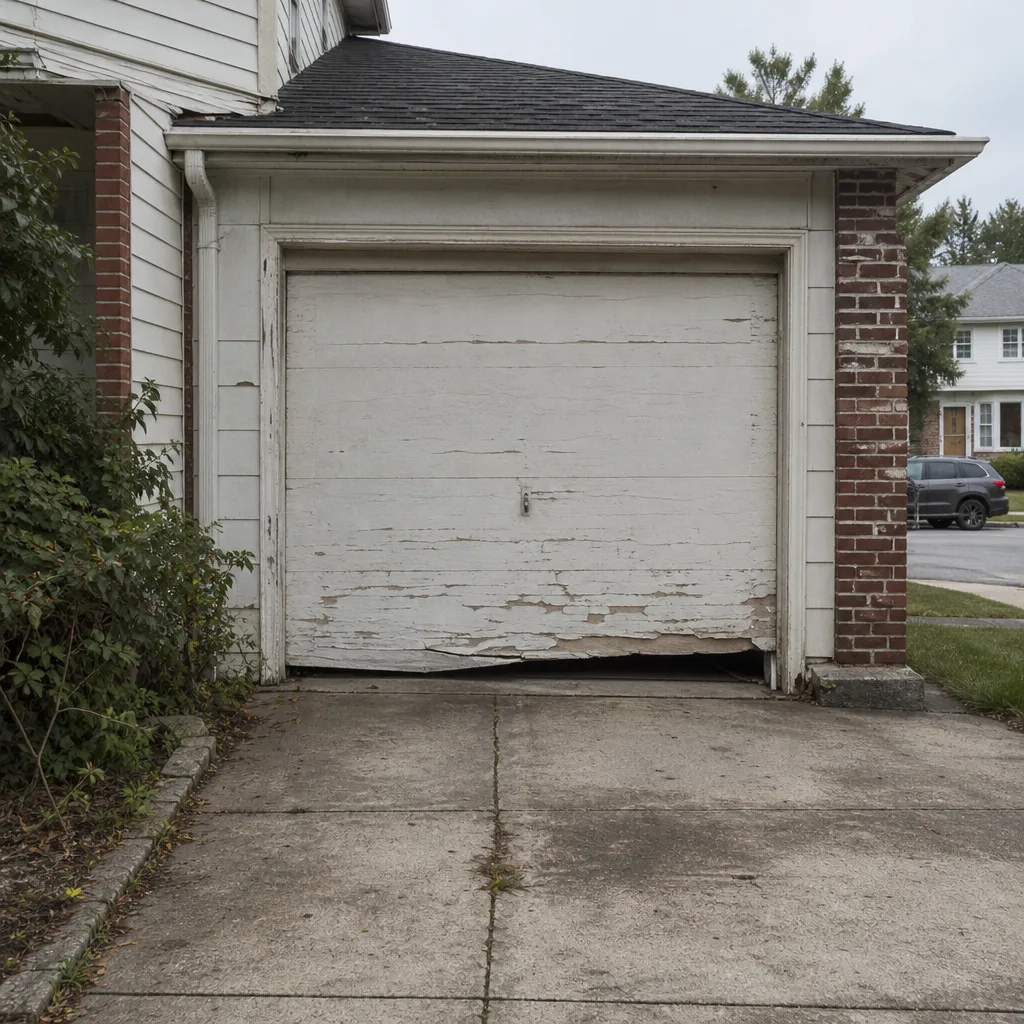 Before
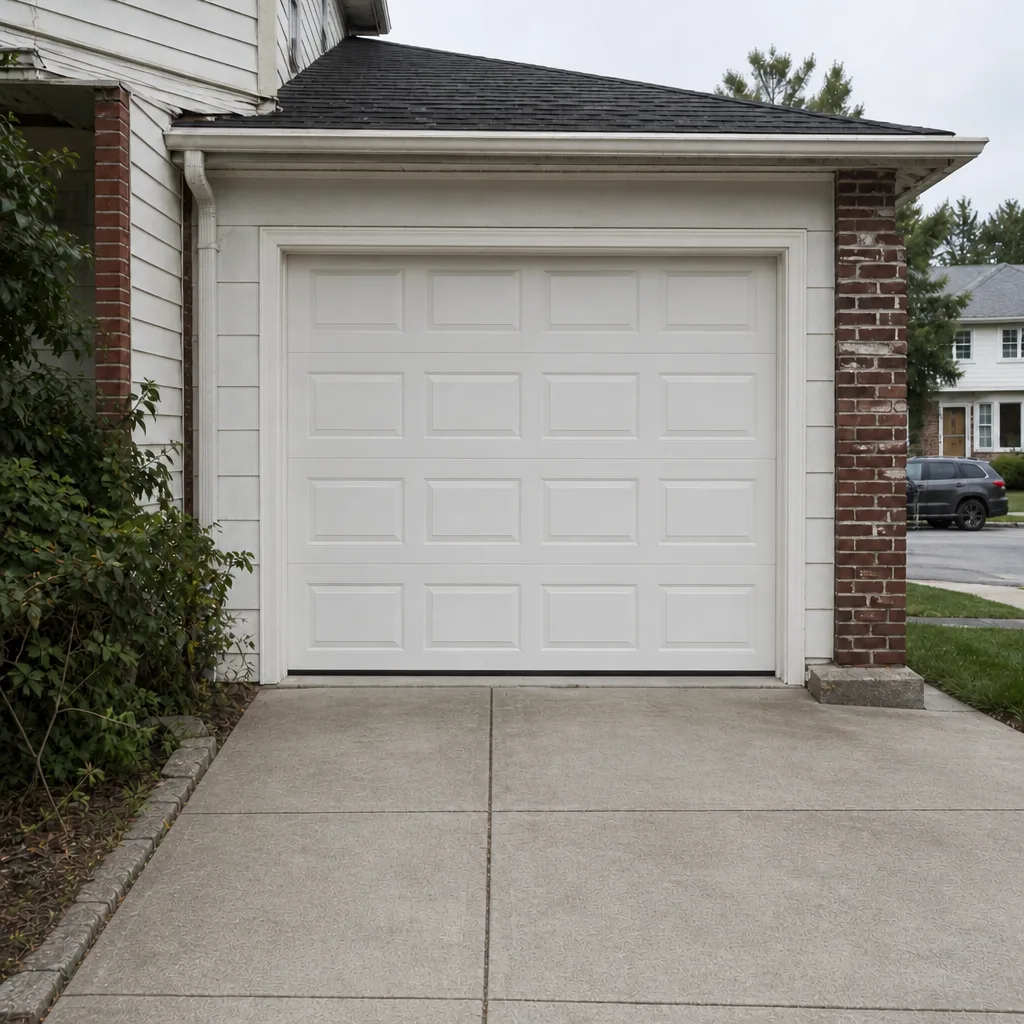 After
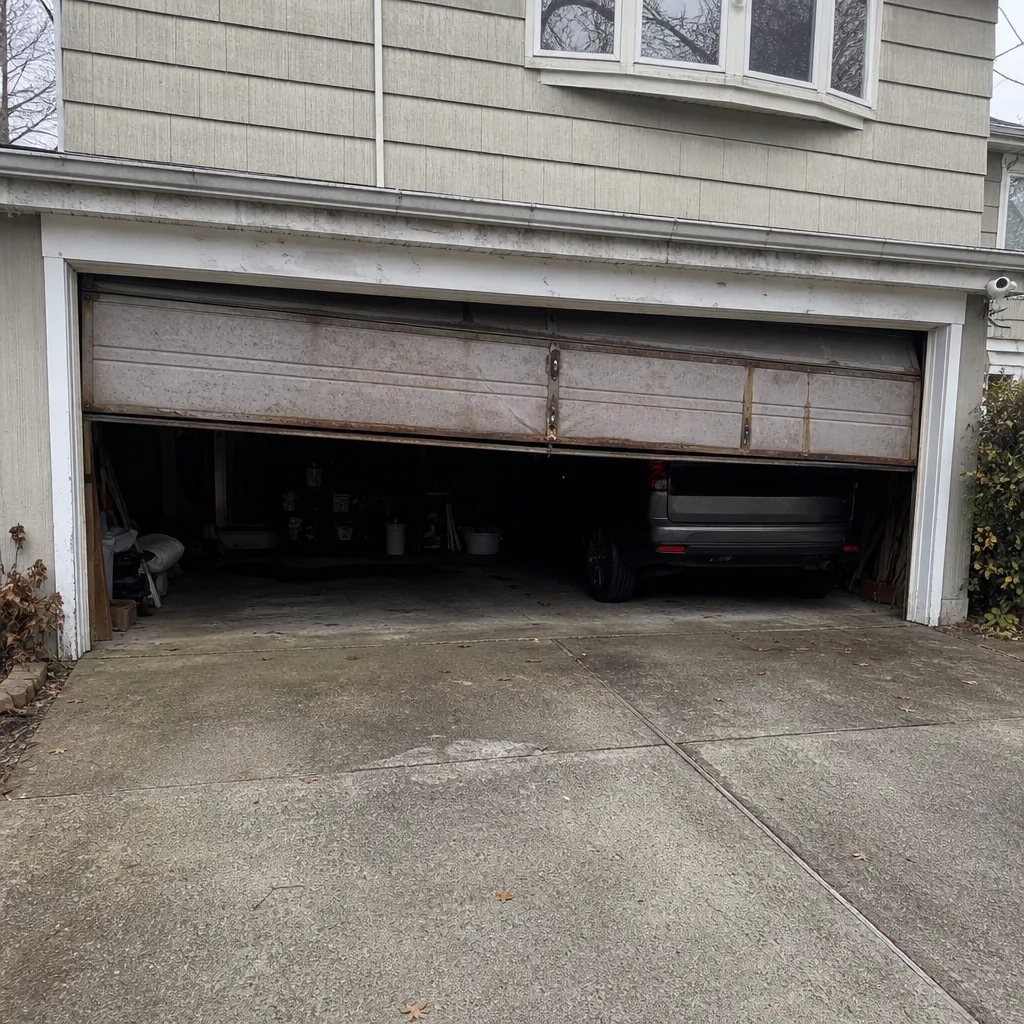 Before
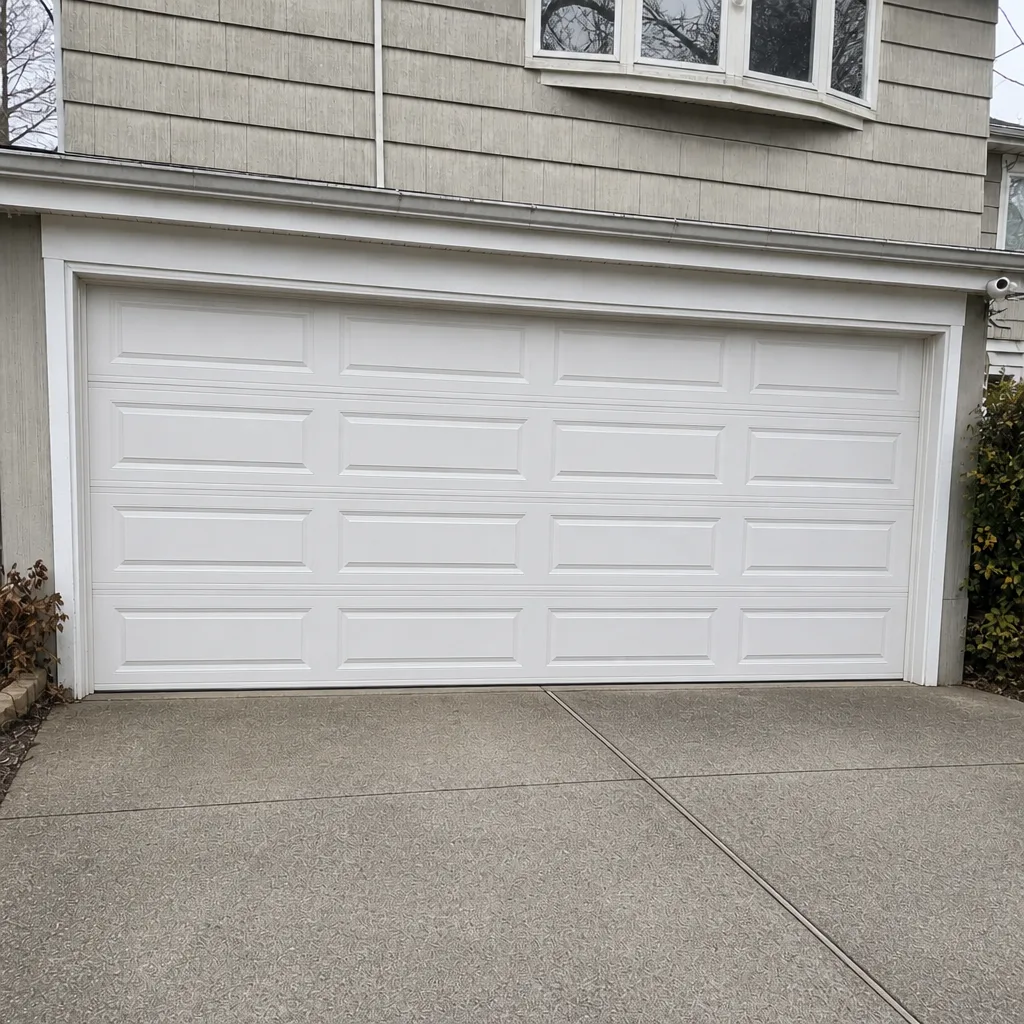 After
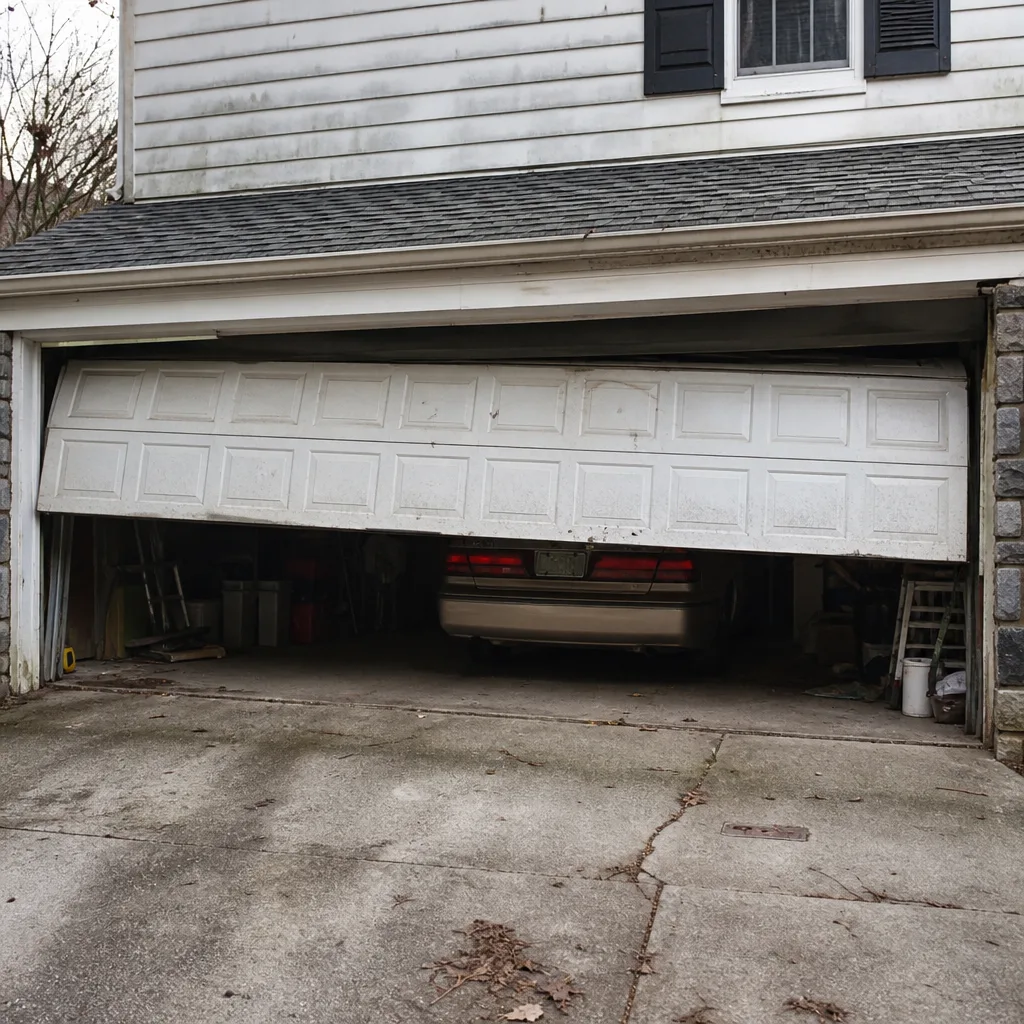 Before
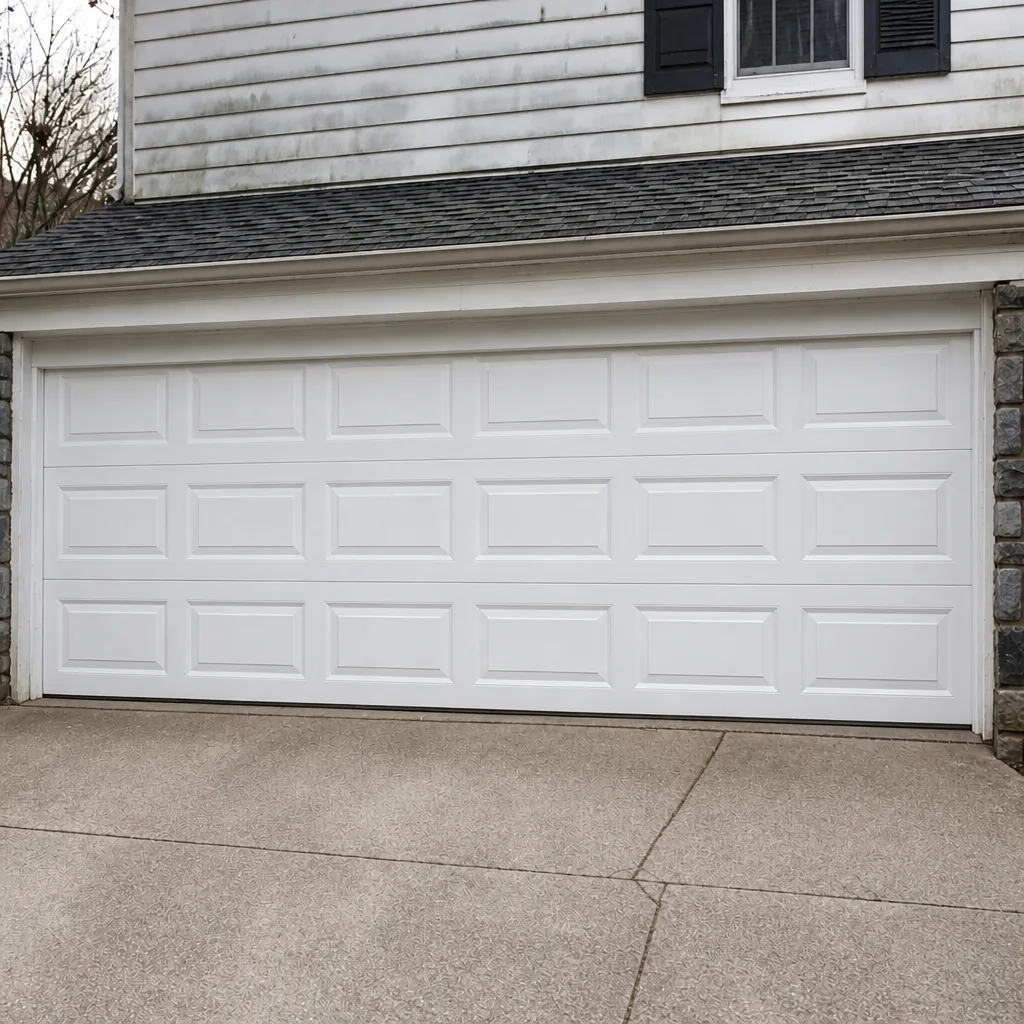 After
When to Call a Professional
Most seasonal care is within a homeowner’s reach; springs, cables, and opener adjustments under tension are not. Call a professional when you see gaps in torsion springs, frayed cables, a door that won’t reverse on contact with an object, or a door that has started to close crookedly. Call if the opener repeatedly reverses or strains even after lubrication. Call if the door is louder than usual throughout the winter, or if the bottom seal is torn and the garage is taking in cold air. When the door won’t move, we move fast; emergency garage door service is a real offering here, not a marketing promise. Garage Door Repair Upper East Side offers free estimates in Upper East Side. Call (877) 492-1824. We answer 24/7, and fast dispatch from 7am to 7pm, Sunday through Friday.
Frequently Asked Questions
Twice a year is right for most Upper East Side doors: a thorough pass in late fall before the first hard freeze, and a lighter pass in spring after winter. In between, keep an eye on summer humidity; if your garage is below grade, a mid-summer wipe-down after a humid stretch helps. Our technicians have up to 9 years of experience and can do a full lubrication and inspection in one visit because garage doors are all we do.
Yes, because each freeze-thaw cycle expands and contracts the door, track, and seal slightly, so the system never truly settles. Sustained cold is easier on a door in some ways than short, repeated cycles. The result is that Upper East Side doors tend to need seal and track checks more often than doors in a stable-cold climate. Call (877) 492-1824 if you notice new drafts or a crooked close.
You can, and you should know where the setting lives on your unit. A LiftMaster or Chamberlain will usually walk you through it on the control panel or the app. The caution is this: only adjust force after you’ve confirmed the door moves easily by hand with the opener disengaged. If the door is heavy or binding, you have a friction problem, and raising the force setting is the wrong fix.
Surface rust can be wiped off, but pitted rust on a torsion spring or a rusted-through cable means the part needs professional replacement. Don’t lubricate over heavy corrosion and hope for the best. Our spring repair service is a named specialty, and the estimate is free. Call (877) 492-1824 and we’ll take a look.
Yes, if the seal is cracked or has gone stiff. A good bottom seal keeps cold air and moisture out and protects hinges and tracks. Replacing it before the cold arrives is faster and easier than dealing with a winter leak. If you’re not sure of the condition, a quick hand test along the seal when the door is closed will tell you; the estimate is free if you want us to check.
A full inspection and lubrication visit is priced per job by a written estimate, and the estimate is free, so call us for an exact quote for your door. There’s no fee to get the estimate, and the price is agreed before any work starts. For spring or opener repairs found during the visit, we quote those separately, in writing, before touching them. Call (877) 492-1824.
The Bottom Line
Seasonal garage door care on the Upper East Side has to match this neighborhood’s actual weather: mild late falls that turn suddenly, freeze-thaw winters, and humid summers in below-grade garages. The fall lubrication pass is the single most valuable action you can take, because it protects springs and hinges before the cold tests them. Spring inspection catches what winter did. Summer care is about moisture and rust. Opener force settings need to be re-checked when the weather changes, and they should always follow a reduction in friction, never substitute for one. And springs and cables should be left to a trained professional. If you want help with any of it, our team is here.
Call (877) 492-1824 for a free estimate. We answer 24/7. Fast dispatch from 7am to 7pm, Sunday through Friday. We work on the brand you already have, and garage doors are all we do.
Written by the team at Garage Door Repair Upper East Side.